In the ever-evolving landscape of clean room technology, achieving immaculate cleanliness is paramount for optimal performance. As industries continue to prioritize precision and contamination control, the importance of an expertly maintained clean room cannot be overstated. Dr. Emily Tran, a renowned expert in clean room design and management, emphasizes this point, stating, "A clean room is not just a space; it's a carefully controlled environment where every detail counts in ensuring product integrity and safety."
As we approach 2025, the demands on clean room facilities are expected to grow, necessitating a comprehensive understanding of best practices and innovative solutions. From pharmaceutical manufacturing to semiconductor production, the effectiveness of these controlled environments directly impacts both productivity and product quality. Therefore, the upcoming guide aims to equip industry professionals with the knowledge needed to cultivate impeccable clean rooms that meet and exceed regulatory standards.
Navigating the complexities of clean room operations requires a blend of technological advancement and adherence to stringent protocols. By synthesizing expert insights and practical strategies, this guide will serve as a critical resource for anyone committed to enhancing their clean room performance, ensuring that they remain at the forefront of their respective industries as we move towards this pivotal year.
Clean rooms are essential in various high-performance environments, including pharmaceuticals, biotechnology, and semiconductor manufacturing. According to a report by the International Society for Pharmaceutical Engineering (ISPE), cleaning and contamination control contribute significantly to product quality and compliance. For instance, in sterile production areas, maintaining strict clean room standards can reduce contamination incidents by up to 80%, ensuring higher yield and lower operational costs.
The significance of clean rooms extends beyond mere compliance; they are critical for innovation and efficiency. A study published by the National Institute of Standards and Technology (NIST) indicates that facilities with well-maintained clean rooms can experience a 30% reduction in cycle times for manufacturing processes. This improvement not only enhances overall productivity but also accelerates time-to-market for new products, which is vital in today’s competitive landscape. Thus, investing in clean room technology and stringent protocols pays dividends in both safety and profitability.
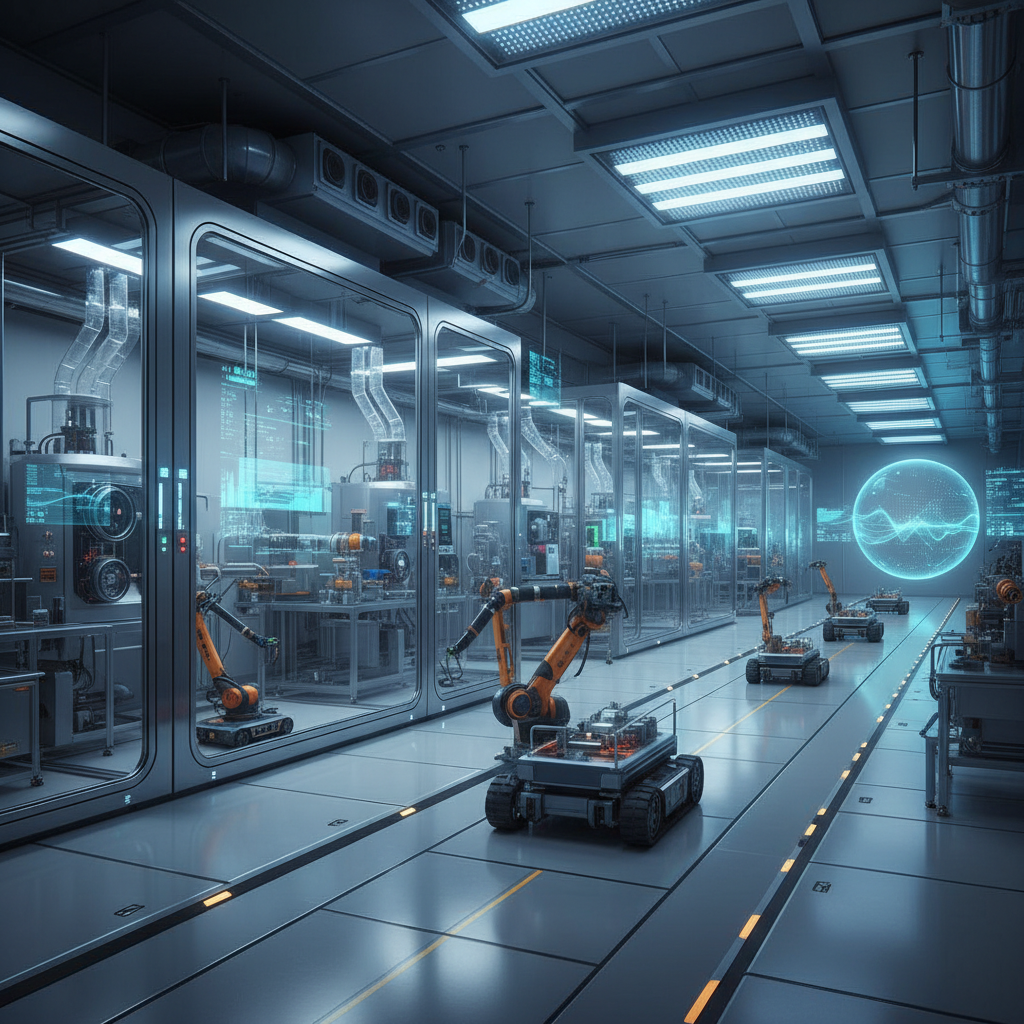
When aiming to create an immaculate clean room, several key features must be prioritized to ensure optimal performance. One of the most crucial elements is maintaining stringent air quality standards. This involves utilizing high-efficiency particulate air (HEPA) filters to eliminate particulates and regularly monitoring air changes to prevent contamination. Proper airflow design not only helps to control particle distribution but also minimizes the risk of accumulation in critical areas.
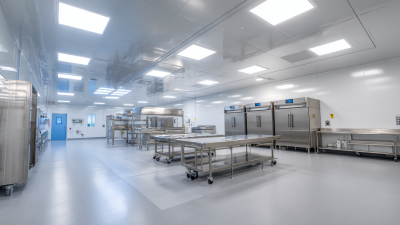
Another vital aspect is the selection of appropriate materials and finishes for surfaces within the clean room. Smooth, non-porous materials that can withstand frequent cleaning and disinfection are essential. This includes walls, floors, and ceilings that resist microbial growth and can be easily maintained. Additionally, the layout of equipment should facilitate efficient cleaning while reducing clutter, allowing for ease of access and a streamlined workflow that supports operational excellence in sterile environments.
| Feature | Description | Importance | Compliance Standards |
|---|---|---|---|
| Air Quality Control | Maintaining low levels of particulates and contaminants in the air. | Critical for preventing contamination in sensitive processes. | ISO 14644-1 |
| Temperature and Humidity Control | Regulating temperature and humidity to ensure product integrity. | Vital for material stability in pharma and electronics. | FDA and GMP Guidelines |
| Surface Cleanliness | Ensuring all surfaces are free from contaminants and residues. | Essential for maintaining product quality and safety. | ISO 14644-5 |
| Personnel Practices | Proper gowning and hygiene protocols for staff. | Minimizes the risk of human contamination. | GMP Regulations |
| Monitoring Systems | Real-time monitoring of environmental parameters. | Ensures ongoing compliance and immediate response to issues. | ISO 17025 |
Maintaining optimal clean room conditions is critical for industries that require stringent cleanliness standards, such as pharmaceuticals and electronics manufacturing. Implementing essential cleaning protocols is the first step toward achieving immaculate clean rooms. These protocols should include regular surface disinfection with appropriate cleaning agents that can effectively eliminate contaminants without damaging sensitive equipment. Daily inspections and documented cleaning schedules help ensure adherence to these protocols, allowing teams to swiftly address potential issues before they escalate.
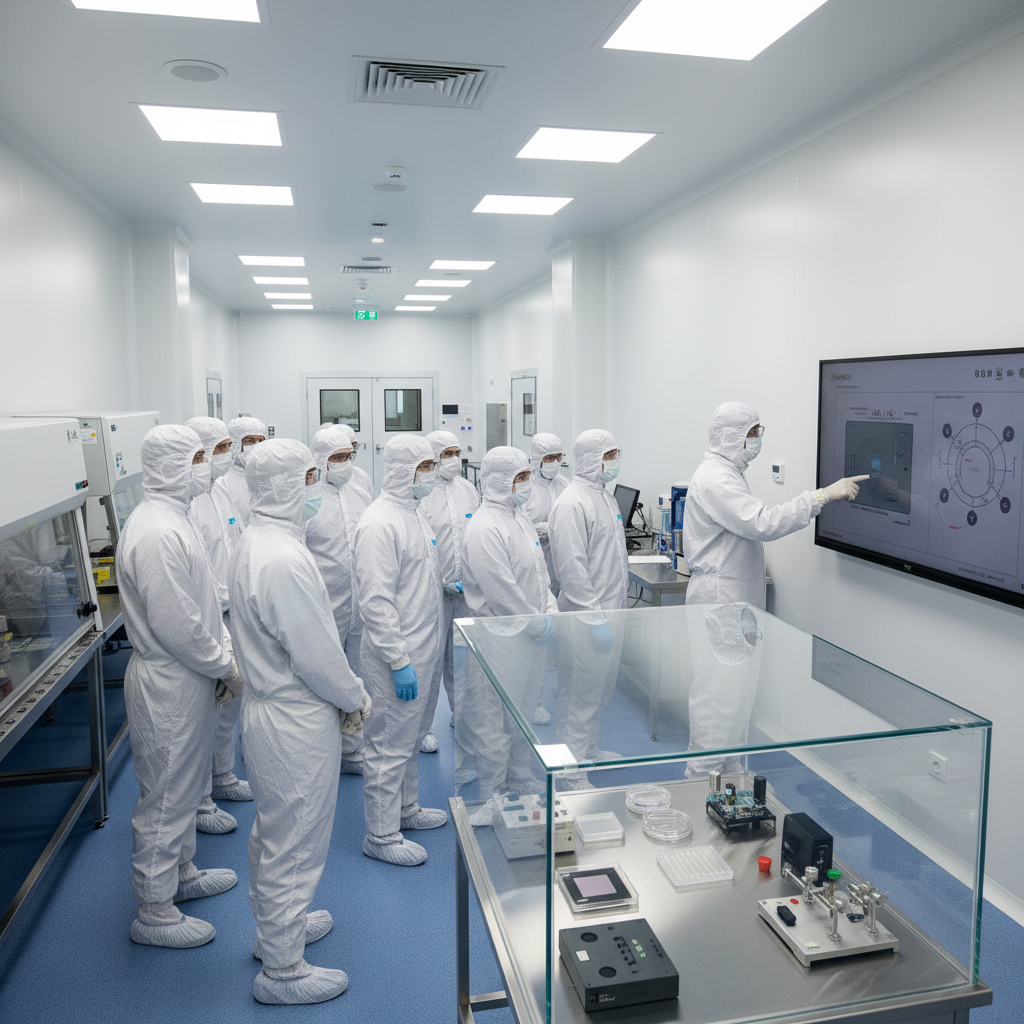
Another vital aspect of maintaining clean room conditions is training personnel on proper clean room practices. This includes understanding the significance of gowning procedures to prevent the introduction of particulates and bioburden. Employees must be educated on the use of airlocks, ionizing blowers, and proper waste disposal techniques to minimize contamination risks. Establishing a culture of cleanliness and accountability within the team further enhances the effectiveness of these protocols, resulting in a clean room environment that supports optimal performance and compliance with industry standards.
The landscape of clean room technology is continuously evolving to meet the demands of various industries, particularly in pharmaceuticals, biotechnology, and electronics. According to a report by MarketsandMarkets, the global cleanroom technology market is expected to reach $5.5 billion by 2025, growing at a CAGR of 6.2%. Future trends focus on the integration of IoT sensors, advanced particulate filtration systems, and automation to enhance clean room performance. These innovations not only improve compliance with stringent regulations but also optimize operational efficiencies.
One effective tip for maintaining an immaculate clean room is to implement a robust monitoring system using IoT technology. This allows for real-time data collection on air quality and particulate counts, enabling swift responses to potential contamination. Additionally, consider investing in HEPA and ULPA filters, which have shown to remove 99.97% of particles as small as 0.3 microns, ensuring a cleaner environment.
Another important aspect is workforce training. Continuous education about the latest clean room standards and procedures significantly impacts overall performance. Reports suggest that organizations that prioritize training see a 25% reduction in contamination incidents. Encouraging staff to adopt best practices will ultimately foster a culture of cleanliness and efficiency in your clean room operations.
To achieve immaculate clean rooms that foster optimal performance, training personnel on clean room standards is crucial. Effective training programs should begin with comprehensive education on the fundamentals of clean room environments, including the specific protocols, gowning procedures, and contamination control measures. By instilling a strong understanding of the importance of maintaining cleanliness, employees will be better equipped to adhere to guidelines rigorously.
Additionally, hands-on training sessions are essential for reinforcing theoretical knowledge. Practical demonstrations allow personnel to experience the procedures in real-life scenarios, helping them to master the necessary techniques for maintaining clean environments. Regular refresher courses and assessments can ensure that staff remain compliant with evolving standards and best practices.
Emphasizing continuous improvement and accountability fosters a culture of excellence, ultimately contributing to the high-performance standards required in clean room operations.