Why Choose Ceiling Panels for Your Home: Benefits and Top Considerations
In recent years, the use of ceiling panels in residential homes has gained significant traction, driven by both aesthetic appeal and practical benefits. According to a report by the Building and Industry Institute, the ceiling panels market is projected to grow at a CAGR of 6.5% from 2023 to 2030, indicating a rising interest among homeowners and designers alike. "Ceiling panels not only enhance the beauty of a space but also provide functional advantages such as sound insulation and energy efficiency," says Dr. Michael Thompson, a leading expert in building materials.
Choosing the right ceiling panels can transform a room's ambiance while addressing practical needs such as moisture resistance and ease of maintenance. Homeowners are increasingly recognizing that the right installation of ceiling panels can lead to improved air quality and comfort levels, which can enhance overall well-being. As the design trend moves towards creating more personalized and functional living spaces, ceiling panels emerge as a versatile solution, catering to both innovative design and modern living practices.
With a plethora of materials, designs, and installation methods available, the considerations for selecting ceiling panels extend beyond mere aesthetics. It's critical to weigh the benefits of various types, such as vinyl, metal, or acoustic panels, each offering unique features suited to diverse needs and preferences.
Benefits of Using Ceiling Panels in Home Design
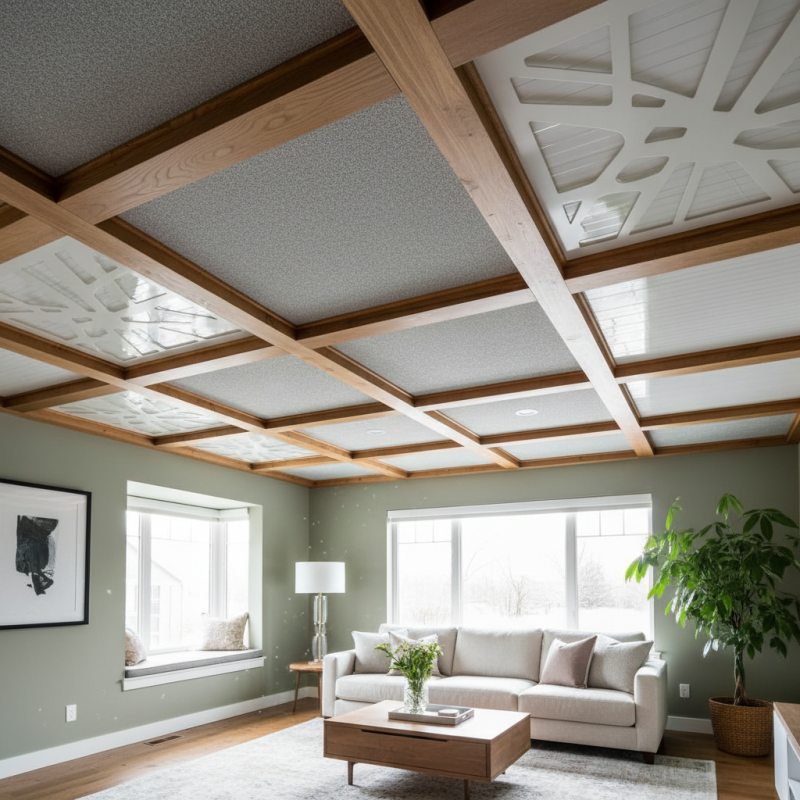
Ceiling panels are increasingly becoming a popular choice in home design due to their numerous benefits. One of the primary advantages is their versatility; they can effectively transform the aesthetic of a room while also offering functional solutions such as sound insulation and moisture resistance. According to the latest industry reports, homes that incorporate ceiling panels can experience a reduction in noise levels by up to 30%, creating a more peaceful living environment. Additionally, these panels can help improve energy efficiency by regulating temperature, resulting in lower heating and cooling costs.
When considering ceiling panels, it is essential to contemplate their material and design. Options range from acoustic tiles to decorative designs, each serving specific needs and styles. For example, using PVC or mineral fiber panels can enhance durability and water resistance, which is especially beneficial in areas prone to humidity. A recent survey noted that over 60% of homeowners report satisfaction with the improved functionality and aesthetics achieved through ceiling panel installations.
**Tips:** When selecting ceiling panels, consider the ceiling height and room purpose to ensure the panels enhance the space without overwhelming it. Additionally, explore different panel finishes to align with your overall interior design while maximizing acoustic performance. Always consult with professionals for installation to achieve optimal results.
Types of Ceiling Panels Available for Residential Use
When it comes to enhancing the aesthetics and functionality of residential spaces, ceiling panels present a versatile solution. There are several types of ceiling panels available for homeowners, each varying in material, design, and application. For instance, acoustic ceiling panels are designed specifically to improve sound quality by reducing noise levels. According to a report by the Institute of Noise Control Engineering, properly installed acoustic panels can reduce sound transmission by up to 90%, making them ideal for home theaters or areas needing privacy.
Another common type is gypsum ceiling panels, known for their fire resistance and ease of installation. The National Gypsum Association notes that these panels not only provide a seamless appearance but also contribute significantly to a home's insulation, thereby improving energy efficiency. For those looking for a touch of elegance, decorative ceiling tiles made of PVC or metal can offer a stylish upgrade. These tiles are often lightweight and come in various designs, allowing for diverse aesthetic choices without the hefty cost of traditional plasterwork.
Finally, environmentally friendly options such as wood or bamboo panels have gained popularity due to their sustainability. A study from the Green Building Council found that incorporating sustainable materials can enhance indoor air quality and promote eco-friendliness in residential designs. With such a range of ceiling panel types available, homeowners can find the perfect fit to meet both their aesthetic preferences and functional needs.
Factors to Consider Before Installing Ceiling Panels
When considering ceiling panels for your home, there are several key factors to evaluate before installation. First and foremost, the material of the panels is crucial.
Options range from acoustic tiles that absorb sound to moisture-resistant panels ideal for humid environments like bathrooms. Assessing the specific needs of each room will determine which material provides the best functionality while also complementing your design preferences.
Another essential consideration is the installation process. Some ceiling panels require professional installation, while others can be a DIY project. Understanding your own skill level and the time you can allocate for this task will influence your choice. Additionally, consider the ceiling height and the overall layout of your space, as certain panel styles can create an illusion of more space or significantly alter the room's ambiance.
Prioritize factors like lighting and accessibility in your planning, ensuring that the final result is both visually appealing and practical for your lifestyle.
Maintenance and Care Requirements for Ceiling Panels
When considering ceiling panels for your home,
maintenance and care requirements are crucial factors that can impact their longevity and appearance.
Generally, ceiling panels are designed to be low-maintenance; however, periodic cleaning is essential to keep them looking their best.
Dust and dirt can accumulate over time, so using a soft cloth or a vacuum with a brush attachment can effectively remove surface debris.
For more stubborn stains, a mild detergent mixed with water is usually sufficient, ensuring not to oversaturate the panels to avoid moisture damage.
Additionally, it's important to conduct regular inspections of your ceiling panels, especially in areas prone to humidity or moisture,
such as kitchens and bathrooms. Check for any signs of mold or mildew, which can occur if the panels are exposed to excessive moisture.
If any damage is detected, such as cracks or warping, timely repairs or replacements should be considered to prevent further issues.
By following these care requirements, homeowners can ensure that their ceiling panels maintain their aesthetic appeal and functional integrity for years to come.
Cost Analysis of Different Ceiling Panel Options
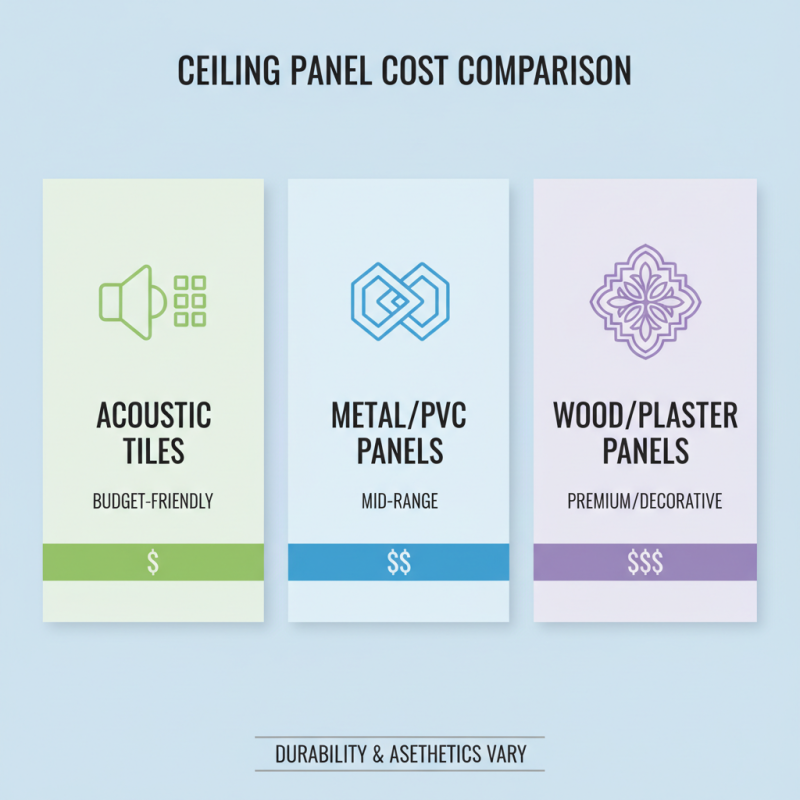
When considering ceiling panels for home improvement, cost analysis plays a crucial role in making a well-informed decision. There are various materials available, each with different price points. For instance, basic acoustic ceiling tiles are often the most budget-friendly option, making them ideal for homeowners looking to enhance sound insulation without a significant investment. On the other hand, more premium materials like wood veneer or decorative plaster panels can add elegance and sophistication but come with a higher price tag due to their distinctive aesthetic and durability.
Beyond the initial purchase price, it’s essential to factor in installation and maintenance costs. Some ceiling panels can be easily installed as a DIY project, which helps save on professional labor fees. However, complicated designs or heavier materials may require expert installation, increasing overall expenses. Additionally, maintenance costs should not be overlooked; while some materials demand minimal upkeep, others may require regular treatment or repair, affecting the long-term value of the installation. Therefore, understanding the comprehensive cost implications of different ceiling panel options is vital for homeowners seeking a balance between style, functionality, and budget.