Exploring the Benefits of Concrete Walls: Durability, Insulation, and Aesthetic Appeal
Concrete walls have become a popular choice in modern construction due to their remarkable properties and versatility. This article delves into the numerous benefits that concrete walls offer, including exceptional durability, effective insulation, and striking aesthetic appeal. As homeowners and builders increasingly seek sustainable and reliable building materials, concrete walls stand out for their ability to withstand harsh weather conditions and provide sound insulation.
Moreover, the aesthetic possibilities of concrete can enhance the visual character of any space, allowing for creative designs that complement various architectural styles. In this guide, we will explore the advantages of choosing concrete walls, empowering readers to make informed decisions that align with their functional and aesthetic goals.
Whether you are planning a new build or considering renovations, understanding the benefits of concrete walls can lead to a more resilient and visually pleasing environment.
Understanding the Durability Advantages of Concrete Walls in Construction Projects
 When considering construction materials, the durability of concrete walls stands out as a crucial advantage. According to a report by the
Portland Cement Association (PCA), structures built with concrete can endure harsh environmental conditions and last over 50 years with minimal maintenance.
This longevity stems from the inherent nature of concrete, which is resistant to fire, pests, and rot, making it an excellent choice for both residential and commercial buildings.
The American Concrete Institute (ACI) notes that concrete's compressive strength surpasses many alternative materials, enabling buildings to withstand greater loads and stresses over time.
When considering construction materials, the durability of concrete walls stands out as a crucial advantage. According to a report by the
Portland Cement Association (PCA), structures built with concrete can endure harsh environmental conditions and last over 50 years with minimal maintenance.
This longevity stems from the inherent nature of concrete, which is resistant to fire, pests, and rot, making it an excellent choice for both residential and commercial buildings.
The American Concrete Institute (ACI) notes that concrete's compressive strength surpasses many alternative materials, enabling buildings to withstand greater loads and stresses over time.
Furthermore, concrete walls contribute significantly to energy efficiency due to their thermal mass properties.
A study published by the U.S. Department of Energy indicates that the thermal mass of concrete can help regulate indoor temperatures, reducing the need for heating and cooling systems.
This not only enhances the comfort of occupants but also leads to substantial energy savings, reinforcing the economic benefits associated with concrete construction.
Overall, the durability and energy efficiency of concrete walls make them an exceptional option for sustainable building practices in today's construction landscape.
Enhancing Energy Efficiency: The Insulation Properties of Concrete Walls
Concrete walls are becoming increasingly recognized for their exceptional insulation properties, making them a smart choice for energy-efficient buildings. According to the U.S. Department of Energy, concrete structures can significantly reduce energy consumption, as they possess a high thermal mass. This means that they can absorb, store, and later release heat, which helps to maintain consistent indoor temperatures and minimize the need for heating and cooling systems.
Furthermore, a report by the Portland Cement Association indicates that buildings with insulated concrete forms (ICFs) can achieve an energy efficiency rating as much as 50% higher than traditional wood-frame constructions. ICFs not only provide excellent thermal insulation but also create an air-tight building envelope that prevents drafts and thermal bridging, contributing to lower energy bills and a smaller carbon footprint. With energy costs continuing to rise, the insulation benefits of concrete walls stand out, offering both economic and environmental advantages for homeowners and builders alike.
Aesthetic Design Choices: Transforming Spaces with Concrete Wall Finishes
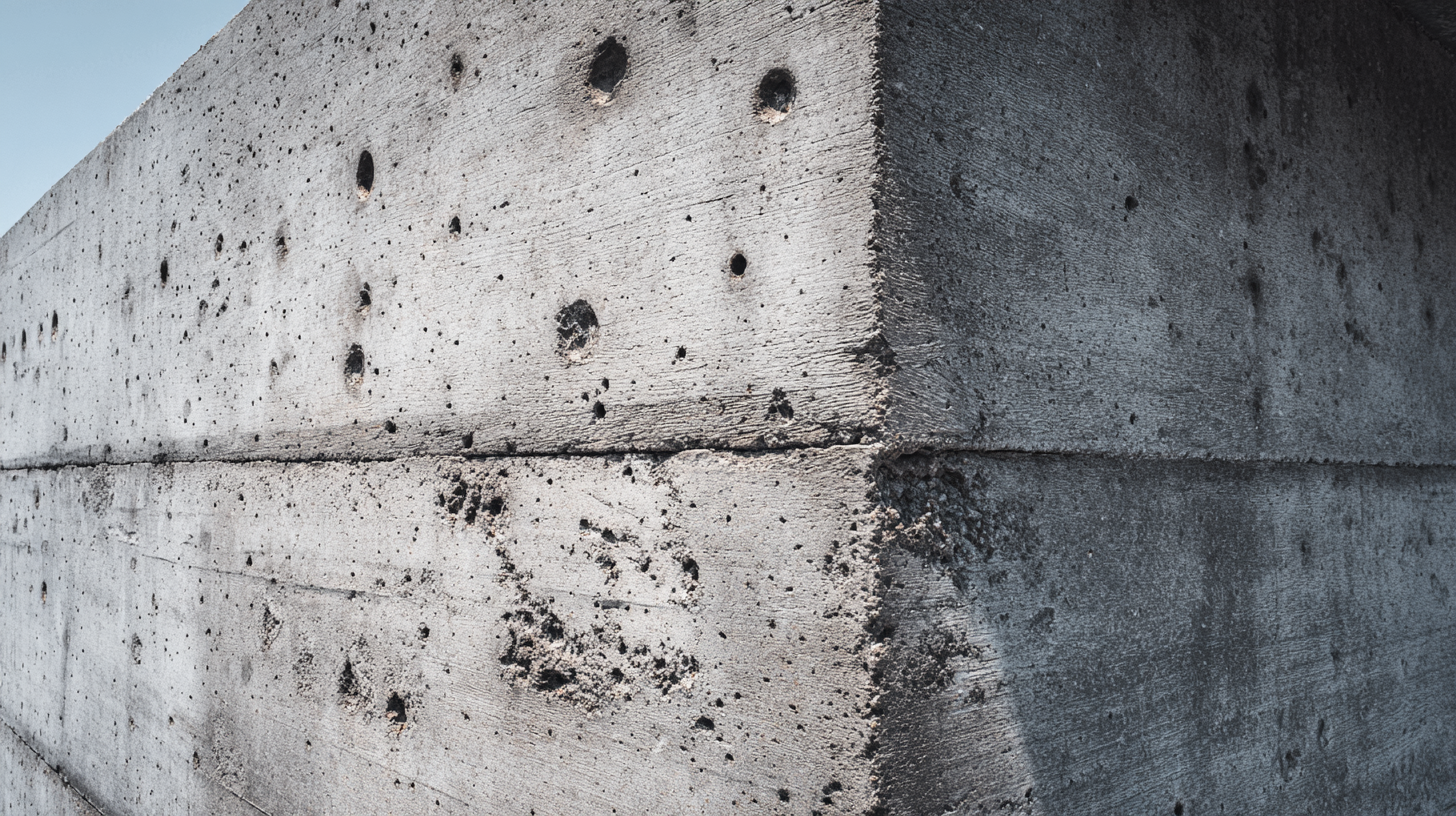
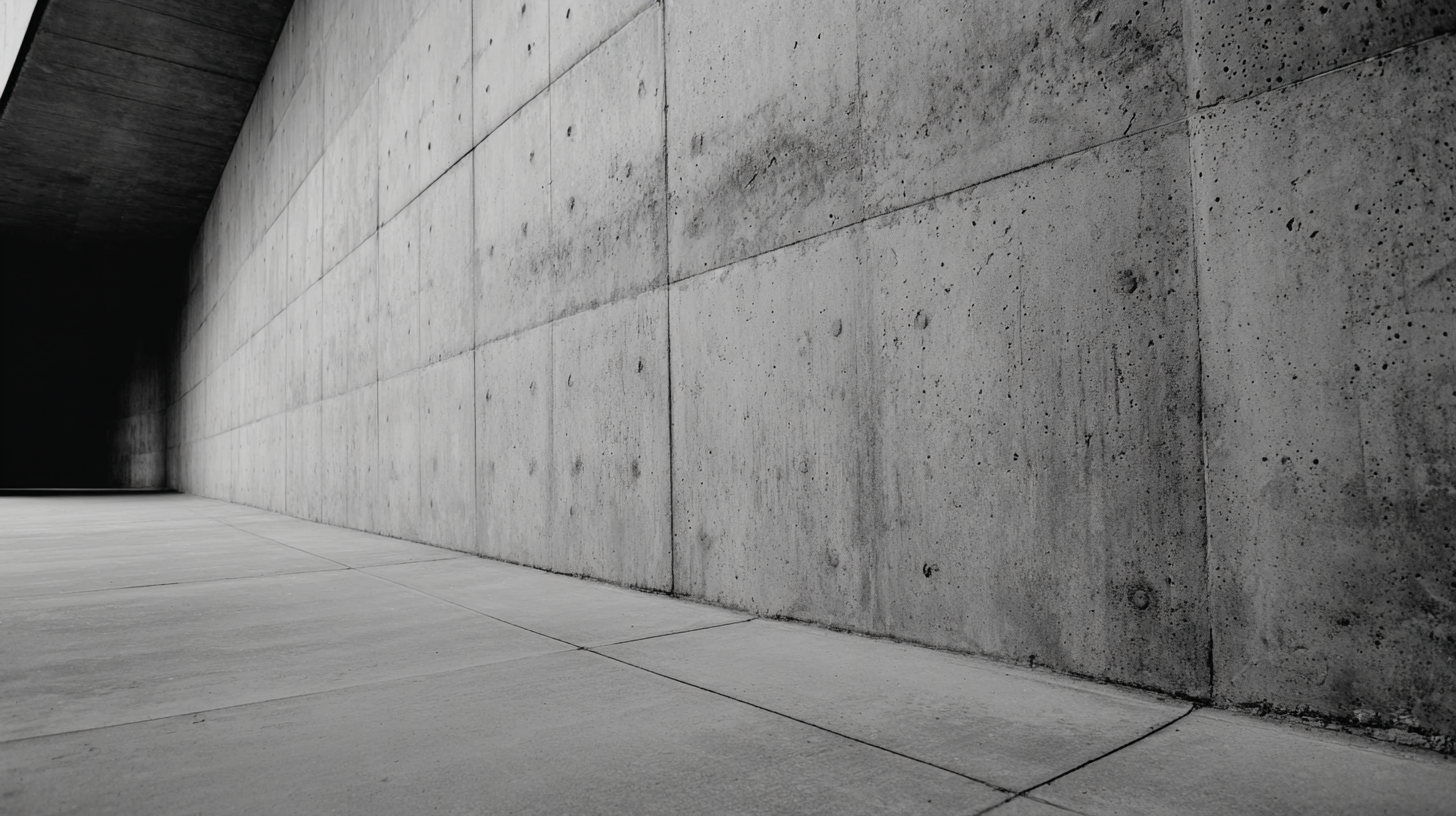
Concrete walls have evolved beyond their functional roots, emerging as a canvas for aesthetic design. With a variety of finishes and textures, concrete can be transformed to suit any interior or exterior space. From sleek, polished surfaces to rough, exposed aggregates, the versatility of concrete allows architects and designers to create visually stunning environments. These finishes can enhance the overall ambiance, making spaces feel modern, industrial, or even rustic, depending on the chosen style.
Moreover, the aesthetic appeal of concrete extends to color and pattern options, offering limitless creativity. Decorative techniques such as stamping, staining, or painting can add depth and character to concrete walls, turning a simple structural element into a focal point of design. This adaptability enables homeowners and businesses alike to express their unique identities while enjoying the benefits of concrete's durability and energy efficiency. By incorporating aesthetically pleasing concrete wall finishes, spaces can be transformed into visually captivating settings that balance functionality with artistic expression.
Addressing Environmental Impact: Sustainable Practices with Concrete Walls
Concrete walls are not only robust and aesthetically pleasing but they also offer sustainable advantages that can mitigate environmental impact. According to a report by the Environmental Protection Agency (EPA), concrete has a lower life-cycle environmental impact compared to other building materials, largely due to its longevity and thermal mass properties. This longevity reduces the frequency of replacements, which in turn decreases the amount of waste generated over time.
Moreover, advancements in concrete production have significantly improved its sustainability profile. The use of supplementary cementitious materials (SCMs), like fly ash and slag, can reduce the carbon footprint of concrete by up to 30%, as reported by the American Concrete Institute (ACI). These materials not only enhance the strength and durability of concrete but also promote the recycling of industrial by-products. Furthermore, the integration of insulated concrete forms (ICFs) can greatly improve energy efficiency in buildings, lowering heating and cooling requirements by up to 50%. This allows buildings to maintain comfortable indoor climates with reduced reliance on energy, making concrete walls a smart and environmentally friendly choice for modern construction.
Exploring the Benefits of Concrete Walls: Durability, Insulation, and Aesthetic Appeal - Addressing Environmental Impact: Sustainable Practices with Concrete Walls
| Feature |
Description |
Environmental Impact |
Sustainable Practices |
| Durability |
Resistant to weather extremes, pests, and fire. |
Long lifespan reduces the need for replacements. |
Use of recycled materials in concrete production. |
| Insulation |
Good thermal mass properties leading to energy efficiency. |
Reduces heating and cooling energy consumption. |
Incorporating insulating materials with concrete. |
| Aesthetic Appeal |
Available in various finishes and textures. |
Minimizes the need for additional cladding materials. |
Promoting designs that blend with natural surroundings. |
| Sustainability |
Concrete can be made with abundant local materials. |
Sustainable sourcing reduces carbon footprint. |
Utilizing eco-friendly practices in production. |
Maintenance Tips for Longevity: Caring for Your Concrete Wall Installations
Maintaining concrete walls is crucial for ensuring their longevity and functionality. Regular inspections are key to identifying any cracks or issues that may arise due to environmental factors. It is advisable to seal any cracks promptly to prevent water infiltration, which can lead to further damage. Additionally, applying a high-quality concrete sealer every few years can significantly enhance the wall's resistance to moisture and stains, thereby preserving its integrity.
Cleaning also plays an important role in concrete wall maintenance. Using a pressure washer or a mild detergent can help remove dirt and grime, which can accumulate over time. However, it's essential to avoid harsh chemicals that might degrade the concrete surface. For those living in areas with significant weather impacts, ensuring proper drainage around the wall can prevent standing water and minimize the risk of erosion.
By following these simple maintenance tips, homeowners can extend the life of their concrete wall installations while maintaining their aesthetic appeal.