What are the Benefits of Using Partition Walls in 2026?
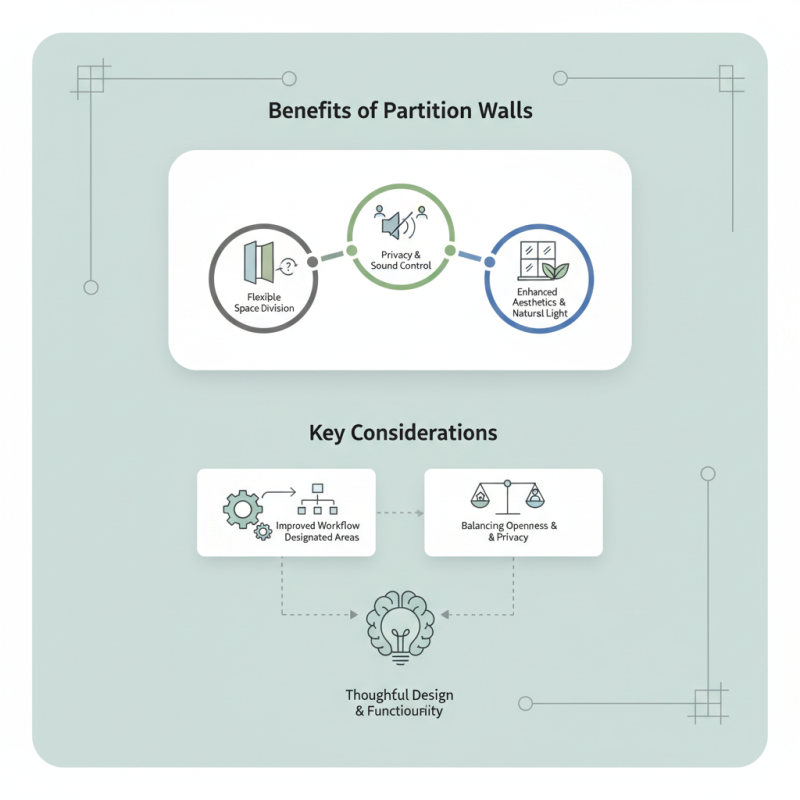
In 2026, the use of partition walls has become increasingly popular in both residential and commercial spaces. These walls provide a flexible way to divide areas without the need for permanent constructions. With the rising trend of open floor plans, partition walls offer options for privacy and sound control.
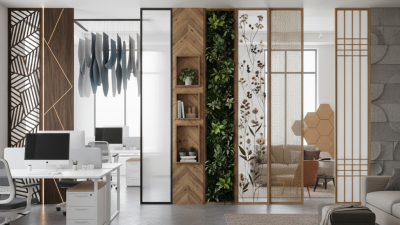
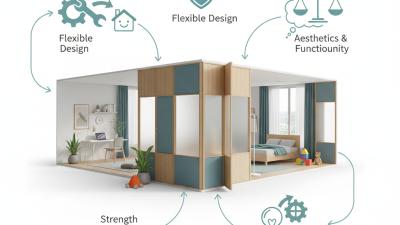
Partition walls can be customized to fit diverse design aesthetics. They can incorporate various materials such as glass, wood, and metal, enhancing a space's overall look. For example, glass partition walls allow natural light to flow while still providing separation. This adaptability makes them a favorite among interior designers.
However, the benefits of partition walls extend beyond aesthetics. They can improve workflow in workplaces by creating designated areas. Yet, the challenge remains in balancing openness and privacy. Finding the right design is crucial. As we explore the benefits, we must also acknowledge the need for thoughtful consideration in their application. Each decision should reflect functionality and style.
Benefits of Partition Walls for Space Optimization in 2026
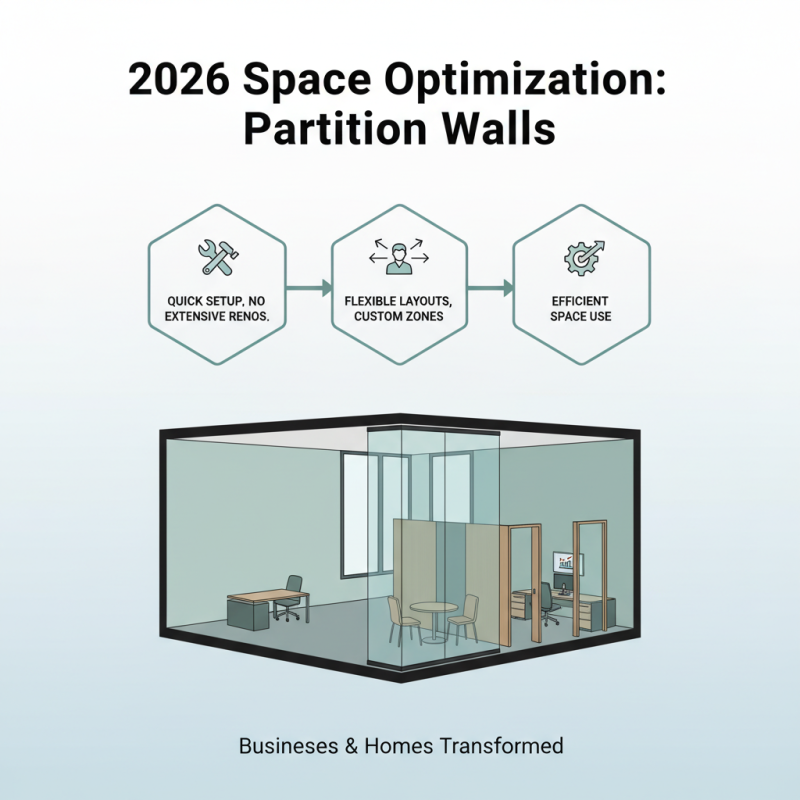
Partition walls are gaining popularity in 2026 due to their significant benefits for space optimization. They provide a practical solution for dividing large areas into smaller, functional spaces. Businesses and homeowners alike can create distinct zones without the need for extensive renovations. This flexibility allows users to tailor their environments to their specific needs efficiently.
In a world where space is often limited, partition walls can dramatically alter a room's utility. For example, transforming an open office into collaborative workspaces can enhance productivity. However, one must carefully consider the layout and materials used. Poor choices might result in a cramped atmosphere, contrasting the intended open feel. Moreover, the maintenance of these structures can be overlooked, requiring ongoing attention to ensure durability. Optimizing space is not just about division; it's about creating an inviting and functional environment.
Acoustic Control: Enhancing Privacy with Partition Walls in 2026
In 2026, partition walls are becoming essential for acoustic control in workspaces and homes. These walls reduce noise transfer, creating a more private environment. According to the latest industry report, nearly 70% of employees feel more productive in quiet spaces. Acoustic partition walls can absorb sound effectively, with some models boasting a Noise Reduction Coefficient (NRC) of 0.85.
Tips: Consider using soft materials when choosing partition walls. They can significantly enhance sound absorption.
While the benefits are clear, it's worth noting the potential drawbacks. Improper installation can lead to gaps, compromising sound insulation. Some users have reported that certain designs can feel less spacious, leading to a cramped atmosphere. Aiming for balance is crucial.
Choosing the right height and thickness also matters. The ideal partition wall can create a sense of enclosure without feeling isolating. In open-plan offices, strategically placed walls can enhance both privacy and collaboration.
Sustainability Aspects of Using Partition Walls in Modern Design
Partition walls offer significant sustainability benefits in contemporary design. They are an excellent way to create flexible spaces without the need for permanent construction. This provides the option to reconfigure rooms easily as needs change. Many partition materials now use recycled content, reducing environmental impact.
Using partition walls can also enhance energy efficiency. These walls often have better insulation properties than traditional structures. As a result, they help maintain consistent temperatures within a space. This can lead to lower energy bills and a smaller carbon footprint. Moreover, the modular nature of these walls means they can be reused in different settings.
However, the choice of materials should be carefully considered. Not all partition walls are created equal in terms of sustainability. Some materials may release harmful VOCs. This poses health risks for occupants. It's essential to balance aesthetics, functionality, and ecological impact when selecting options. Thoughtful design can make a big difference in achieving sustainable goals.
Cost-Effectiveness of Partition Walls in Commercial Spaces in 2026
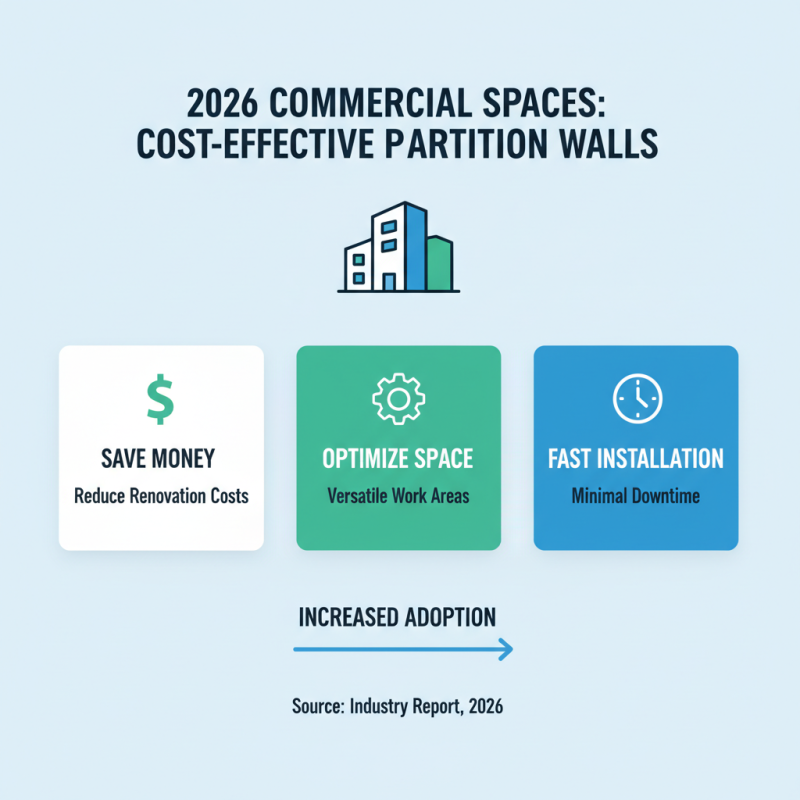
In 2026, partition walls are increasingly recognized for their cost-effectiveness in commercial spaces. Businesses are looking for ways to save money while optimizing their space. Partition walls make it possible to create versatile work areas without extensive renovations. They can be installed quickly and without significant downtime. This allows companies to minimize disruptions during the transition.
Moreover, the materials used for these walls are often less expensive than traditional construction materials. Many options are lightweight yet durable. This means businesses can afford to reconfigure their spaces as needs change. For example, a startup can start with an open layout and add partitions as they grow. However, some might find the aesthetic less appealing. Comfort and design can sometimes feel compromised.
Additionally, considering long-term flexibility is vital. Companies must ensure that partition walls can adapt to future changes, both in layout and technology. While they offer immediate benefits, some businesses might overlook potential drawbacks. A well-planned evaluation of the space is crucial to avoid costly mistakes later on. Balancing cost efficiency with functional design requires careful thought and foresight.
Flexibility and Adaptability of Partition Walls for Future Needs
In 2026, partition walls are becoming essential for modern spaces. They offer flexibility in designing areas to cater to diverse needs. Imagine a bustling office where teams shift often. Partition walls can be easily rearranged to create new collaborative zones. This adaptability not only saves costs but also enhances productivity.
When we think about future adaptability, partition walls stand out. They can transform a single room into multiple spaces. This capability is invaluable for growing businesses or changing environments. However, the challenge lies in choosing the right materials. Some options might look appealing but may lack durability or sound insulation.
Moreover, aesthetic appeal is crucial but can be subjective. A design that works for one group may not suit another. It’s essential to reflect on these factors while planning. Sometimes, we overlook the importance of user feedback. Does the wall design truly meet the needs of those who occupy the space? Engaging with future users can lead to better outcomes.
Benefits of Using Partition Walls in 2026
The chart above illustrates the benefits of using partition walls in 2026 based on user ratings. Flexibility stands out as the most valued benefit, while aesthetic appeal is rated the lowest among users. This data highlights the key advantages that partition walls offer in modern spaces.