
In today's industrial landscape, the demand for high-quality filtration systems is surging. According to a recent report by MarketsandMarkets, the global filter market is projected to reach $43.95 billion by 2027, primarily driven by advancements in technology and the need for improved efficiency. Stainless Steel Precision Filters are at the forefront of this evolution, offering unmatched durability and effectiveness in various applications.
Stainless Steel Precision Filters excel in environments where corrosion resistance and precision are crucial. These filters are utilized in industries such as pharmaceuticals, food processing, and water treatment. The technical capabilities of these filters often lead to enhanced productivity and reduced operational costs. A study from the International Journal of Engineering Research highlights that the use of stainless steel filters can improve filtration efficiency by up to 30%.
However, it’s essential to acknowledge that not all stainless steel precision filters are created equal. Quality varies across manufacturers, leading to potential performance discrepancies. Industries reap significant benefits, but careful selection is vital to avoid costly failures. Exploring the top benefits of these filters can provide valuable insights into optimizing filtration processes and enhancing reliability. Investing in high-quality Stainless Steel Precision Filters can ultimately safeguard operational integrity and sustainability.
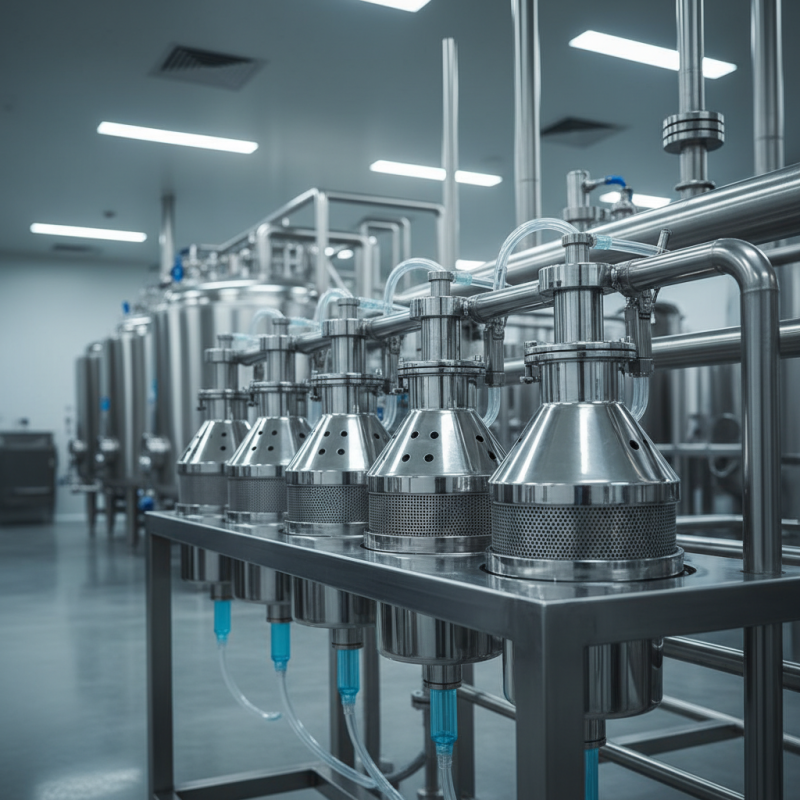
Stainless steel precision filters offer a unique blend of durability and superior filtration capabilities. These filters are widely used in diverse industries like pharmaceuticals, food and beverage, and petrochemicals. Their corrosion resistance is crucial in harsh environments. This quality ensures that they do not compromise the integrity of the fluids being filtered. When dealing with critical processes, the reliability of filtration can significantly impact product quality.
Understanding the mechanics of stainless steel precision filters is essential. They utilize fine mesh screens to trap particulates down to microns in size. This precision is vital for maintaining system cleanliness. In some cases, filters may require regular cleaning and maintenance. Users might overlook this aspect, leading to reduced efficiency. Monitoring filter performance and scheduling maintenance can prevent costly downtime.
Moreover, these filters can be customized to meet specific needs. Different pore sizes and shapes can enhance their efficiency. Choosing the correct filter involves careful consideration of the application. It may take time to find the right fit. However, with the right expertise, stainless steel precision filters can deliver significant performance improvements and cost savings.
| Benefit | Description | Applications | Impact |
|---|---|---|---|
| Corrosion Resistance | Stainless steel filters resist corrosion, making them ideal for harsh environments. | Chemical processing, water filtration | Increased durability and longevity of the equipment. |
| High Strength | Stainless steel provides higher strength compared to other materials. | Automotive, aerospace | Enhanced performance under pressure. |
| Temperature Resistance | Can withstand extreme temperatures without deformation. | Oil and gas, heating systems | Reliable performance in variable conditions. |
| Ease of Cleaning | Smooth surfaces allow for easy cleaning and maintenance. | Food and beverage industry | Ensures hygiene and prevents contamination. |
| Versatility | Suitable for a wide range of applications and industries. | Various industrial sectors | Adaptable to meet diverse customer needs. |
| Aesthetic Appeal | Modern and sleek appearance enhances equipment design. | Consumer products, architecture | Improves product marketability. |
| Recyclability | Stainless steel is 100% recyclable, promoting sustainability. | Construction, manufacturing | Supports eco-friendly practices. |
| Filter Efficiency | Provides superior filtration performance for various particles. | Water treatment, pharmaceuticals | Improves product quality and safety. |
| Cost-Effectiveness | Durable material leads to lower replacement costs. | Long-term investments | Reduces total operational costs. |
Stainless steel precision filters offer unparalleled durability compared to other materials. These filters withstand harsh environments. They resist corrosion, temperature extremes, and abrasive substances. A study by the International Journal of Advanced Manufacturing Technology highlighted that stainless steel filters have a lifespan two to five times longer than plastic and ceramic alternatives. This longevity translates into reduced replacement costs and lower maintenance efforts.
Furthermore, stainless steel's mechanical strength ensures it maintains structural integrity under pressure. Filtering processes that require high flow rates benefit significantly from this trait. The ability to operate effectively under challenging conditions enhances the reliability of filtration systems. Data from the Society for Chemical Industry indicates that stainless steel filters can endure pressure fluctuations without compromising filter performance.
However, users must consider initial investment costs. While stainless steel can be more expensive upfront, its lifespan usually outweighs these costs. It’s crucial to evaluate specific needs. Users might face challenges in decision-making, especially when balancing upfront costs against long-term savings. Nevertheless, with the right information, the choice becomes clearer, highlighting the importance of research and expert consultation in filtering technology.
Stainless steel precision filters stand out for their superior filtration efficiency. Reports show they can remove up to 99.9% of contaminants. This high effectiveness results from their advanced design and material properties. Unlike conventional filters, stainless steel filters maintain consistency over time. They do not degrade easily and can withstand harsh environments.
Moreover, studies indicate that stainless steel filters have a longer operational life. The average lifespan can exceed five years, offering substantial cost savings. Traditional filters, in contrast, may require frequent replacements, leading to higher waste. These filters are also recyclable. They contribute to sustainability, appealing to industries focused on environmental challenges.
However, it's essential to recognize potential limitations. Initial costs can be higher, causing hesitation for some buyers. Users should weigh these costs against long-term efficiencies. Public awareness of filtration systems often lacks necessary depth. Educating potential users on these benefits is a crucial step for widespread adoption.
Stainless steel precision filters are a practical choice for many industries. Their cost-effectiveness over time makes them a wise investment. While the initial cost may be higher than alternatives, their durability ensures long-term savings. Unlike plastic filters, stainless steel can withstand extreme conditions. They require fewer replacements, reducing overall expenses.
Choosing stainless steel filters can lead to significant savings. Maintenance is minimal, and they are easy to clean. Consider investing in high-quality filters to maximize efficiency. Pay attention to the specifications to ensure they meet your needs. This attention to detail can prevent costly mistakes later.
Keep in mind that not all stainless steel filters are created equal. Some might corrode over time, impacting performance. It is essential to research and select the right grade of stainless steel. Look for proven expertise in manufacturing to ensure reliability. Investing time in understanding your options will yield substantial benefits in the long run.
Stainless steel precision filters are highly regarded for their versatility across various industries. They are commonly used in food processing, pharmaceuticals, and water treatment. These filters can handle a range of temperatures and pressures. This adaptability makes them ideal for diverse applications.
In food processing, stainless steel filters ensure purity and safety. They effectively remove contaminants from liquids without affecting flavor. In pharmaceuticals, these filters provide a sterile solution, which is crucial for product integrity. They're also used in water treatment plants, where they effectively remove impurities from drinking water, enhancing its quality.
Despite their benefits, proper maintenance is crucial. Users must regularly inspect and clean these filters to prevent clogs. Neglect can lead to a decline in performance. It's essential to weigh the initial investment against long-term benefits. Stainless steel filters can be more expensive upfront but often save costs over time. They are durable and have a long lifespan, which reduces the need for frequent replacements.