Best Clean Room Wall Panels for Optimal Performance?
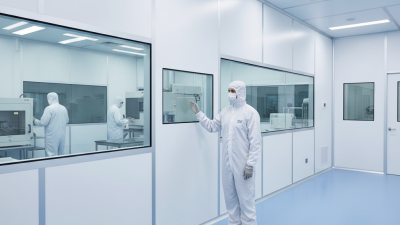
In the realm of clean room design, selecting the right clean room wall panels is crucial for maintaining optimal conditions. Industry expert Dr. Emily Chen emphasizes, “The choice of wall panel materials can significantly impact clean room performance.” Choosing effective wall panels helps mitigate contamination risks and supports strict cleanliness standards.
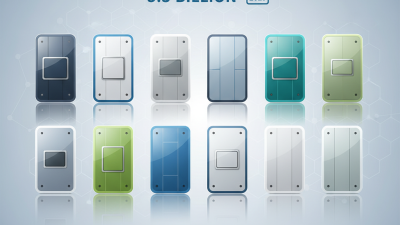
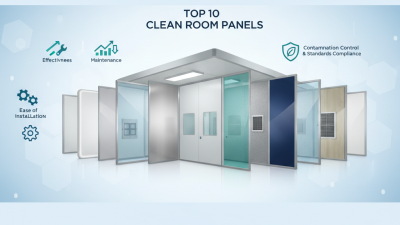
Clean room wall panels come in various materials and finishes. Each option offers unique benefits and potential drawbacks. For example, vinyl and fiberglass panels are popular for their durability and ease of cleaning. However, they can be susceptible to scratches, which might compromise their integrity over time.
In an era where precision and cleanliness are paramount, the importance of reliable clean room wall panels cannot be overstated. A meticulously chosen wall panel not only influences the physical environment but also affects overall workflow efficiency. Reflecting on this, professionals must continually assess their choices and consider innovations in materials to enhance clean room performance.
Best Clean Room Wall Panels: Key Features and Specifications
When selecting clean room wall panels, understanding key features is essential. Panels should have low permeability to airborne particles. A study by the International Organization for Standardization (ISO) indicates that particles can compromise air cleanliness. High-quality panels can reduce this risk significantly.
The surface finish of the panels is another crucial aspect. Smooth, non-porous surfaces minimize contamination and are easier to clean. Reports suggest that vinyl and fiberglass-reinforced panels outperform standard drywall in this respect. Their ability to withstand rigorous cleaning regimes is vital in maintaining strict cleanliness standards.
Thermal insulation properties also matter. Panels with insulation help manage temperature, vital for certain controlled environments. Improper insulation can lead to condensation, creating a breeding ground for microbes. While most panels offer some level of insulation, not all meet strict regulatory requirements. Regular assessment of panel performance can reveal areas needing improvement. Investing in high-standard materials pays off in long-term functionality and safety.
Material Types for Clean Room Wall Panels: Pros and Cons
When designing clean room environments, selecting the right wall panel material is crucial. Various options exist, each with distinct advantages and downsides. For instance, clean room wall panels can be made from materials like PVC, fiberglass, and metal.
PVC offers a cost-effective solution that is lightweight and easy to clean. However, it might not provide the durability required for high-traffic areas.
Fiberglass-reinforced panels are another popular choice. They are resistant to chemicals and impact, making them suitable for rigorous environments. Yet, these panels can be more expensive and may require specialized installation techniques. It's worth considering the long-term benefits versus the initial investment.
Metal panels, while highly durable, can complicate thermal insulation and increase installation costs. It's essential to evaluate the specific needs of your clean room before deciding. This selection process can be overwhelming. Weighing the pros and cons of each material is essential for optimal performance. It's not just about choosing the most expensive option; functionality and environment suitability matter significantly. Regular assessments and reflective practices can lead to better choices.
Industry Standards for Clean Room Wall Panel Performance and Lifespan
When considering clean room wall panels, understanding industry standards is crucial for optimal performance. Clean rooms demand stringent air quality control, cleanliness, and environmental stability. According to the Federal Standard 209E, clean rooms are categorized by their particulate levels. For optimal performance, wall panels should meet these standards for class 10 to class 1000 environments.
Durability is another vital aspect. Research indicates that high-performance wall panels can maintain integrity for over ten years with minimal wear. However, factors such as environmental conditions and maintenance routines can significantly impact this lifespan. Panels made from non-porous materials offer benefits, such as resistance to chemicals and ease of cleaning. It’s essential to periodically assess the condition of wall panels to ensure compliance with industry requirements.
Cost-effectiveness is important in decision-making. While high-quality panels may require a larger upfront investment, they often lead to lower long-term costs. Industry analysis shows that neglecting to invest in durable materials can result in higher replacement and maintenance costs. Choosing the right panels can prevent frequent renovations and disruptions in clean room operations. Thus, striking a balance between performance and budget remains a thoughtful consideration in the selection process.
Cost Analysis: Investment vs. Long-term Benefits of Quality Panels
The investment in quality clean room wall panels often sparks debate among facility managers. On the surface, lower-cost options may seem attractive.
However, a detailed cost analysis reveals long-term benefits that often outweigh initial savings.
According to industry reports, investing in high-performance panels can reduce maintenance costs by up to 30% over five years.
This is a critical factor to consider, especially in sectors like pharmaceuticals and biotechnology.
Moreover, the durability of quality wall panels contributes to energy efficiency, which is increasingly relevant in today's economy.
A study indicated that facilities utilizing superior materials saw energy savings of around 15% annually.
This aspect illustrates not only cost-effectiveness but also aligns with sustainable practices, an essential consideration for modern industries.
However, the decision isn't always straightforward. Sometimes, facilities may feel pressured to minimize upfront costs, neglecting the accumulative effects on performance and efficiency.
Short-term savings might lead to frequent repairs or even replacements. Hence, a careful evaluation of the total cost of ownership versus initial expenditure is crucial for making informed decisions.
Application Areas: Choosing the Right Wall Panels for Specific Clean Rooms
Clean rooms require specialized wall panels to maintain stringent environmental standards.
Wall panels play a crucial role in controlling airborne particles and cleanliness levels. Choosing the right wall panels depends significantly on the application area, whether it’s pharmaceuticals, biotechnology, or electronics. According to recent industry reports, nearly 80% of clean room issues stem from incorrect wall material selection.
For pharmaceutical clean rooms, panels must resist chemical exposure. High-density polyethylene (HDPE) is often favored due to its durability and non-porous nature. In biotech facilities, steel panels are common, providing both strength and easy cleaning. For electronics manufacturing, antistatic panels are vital to protect sensitive components. Each application zone has unique demands that must be considered to ensure optimal performance.
Tips: Always conduct a cleanability test before finalizing panel choices. Evaluate material performance under specific environmental conditions. Regular maintenance can prevent miscalculations in wall panel efficiency. It’s essential to invest time in research to avoid costly mistakes. Unsuitable panels can lead to contamination, risking product quality and safety. A careful selection process enhances both performance and compliance in all clean room applications.