2026 Best Fire Proof Gypsum Board for Ceiling Options?
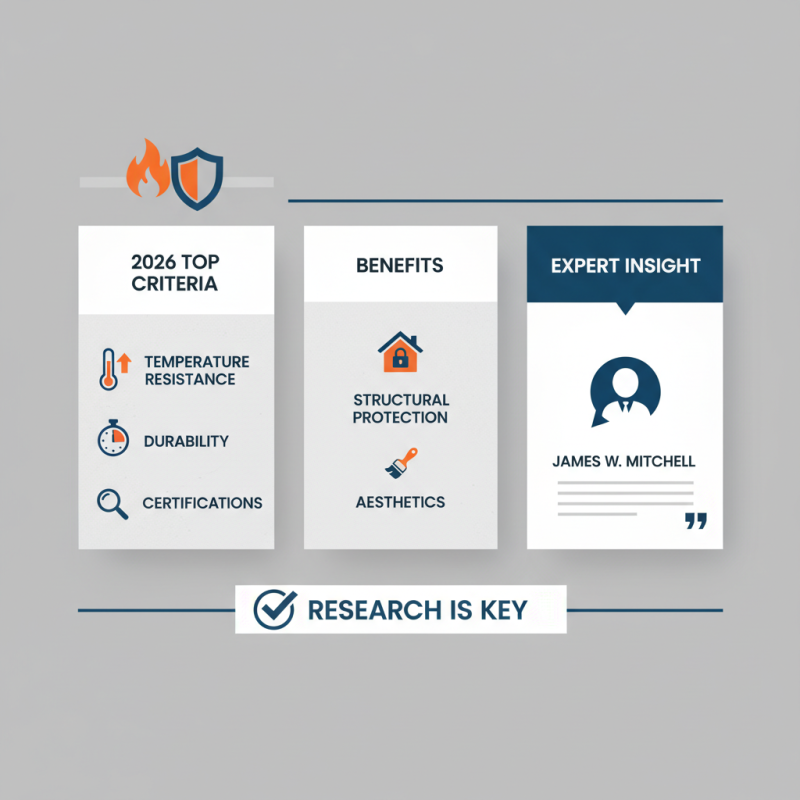
As fire safety becomes a growing concern, the demand for effective materials is critical. The "Fire proof gypsum board for ceiling" market is evolving. Experts recognize the importance of reliable products in this area. James W. Mitchell, a renowned fire safety expert, emphasized, "Choosing the right materials can make all the difference in fire prevention."
In 2026, various fireproof gypsum boards will dominate the options available for ceilings. Their ability to withstand extreme temperatures is essential for protecting spaces. Homeowners and builders need to carefully consider their choices. Fireproof gypsum boards not only safeguard structures but also enhance overall aesthetics. Specific brands may offer diverse benefits, yet quality remains a top priority.
However, not all fireproof gypsum boards are equal. Some may not perform as advertised, leading to potential risks. Thorough research is necessary before making a decision. Evaluating product specifications and testing results can prevent unfortunate mistakes. The investment in high-quality fireproof gypsum board for ceilings is vital for safety and peace of mind.
Overview of Fire Proof Gypsum Board Specifications and Standards
When assessing fireproof gypsum board for ceilings, understanding specifications is crucial. Fire performance ratings are defined by ASTM E84 and ASTM E119 standards. These tests measure the material's flame spread index and the time it can withstand fire exposure. Generally, boards with a Type X rating offer 1-hour fire resistance.
Building codes often require specific fire ratings for various applications. For instance, commercial buildings frequently mandate 1-hour fire-rated assemblies. In residential constructions, a minimum of half-hour ratings may suffice. Fireproof gypsum board can contain additives, such as fiberglass, to enhance resistance.
These boards usually weigh between 2 to 3 pounds per square foot. Moisture resistance, mold resistance, and compatibility with insulation materials are additional factors. However, some products may lack sufficient fire ratings, raising safety concerns. Not all installations ensure tight seals, which can affect overall performance. Proper installation is key to achieving the desired results.
2026 Best Fire Proof Gypsum Board for Ceiling Options
| Type | Fire Rating | Thickness (mm) | Weight (kg/m²) | Moisture Resistance | Standard Compliance |
| Standard Fireproof Gypsum Board | Type X (1 hour) | 12.5 | 8.0 | No | ASTM C 1396 |
| Moisture Resistant Fireproof Board | Type C (1.5 hours) | 12.5 | 8.5 | Yes | ASTM C 1396 |
| High Density Fireproof Board | Type X (1 hour) | 15.0 | 10.0 | No | ASTM C 1396 |
| Eco-Friendly Fireproof Board | Type C (1.5 hours) | 12.5 | 8.2 | Yes | ASTM C 1396, GREENGUARD |
| Acoustic Fireproof Board | Type X (1 hour) | 12.5 | 9.0 | No | ASTM C 1396 |
Key Features to Look for in Fire Resistant Gypsum Boards for Ceilings
When choosing fire-resistant gypsum boards for ceilings, several features stand out. It’s crucial to check the core material. Many boards use a mix of gypsum and additives to enhance fire resistance. Look for those with superior thermal performance. This ensures they can withstand high temperatures without losing structural integrity.
The thickness of the board also matters. Thicker gypsum boards typically provide better fire protection. A standard thickness of 5/8 inch is often recommended. Additionally, consider the installation methods. Proper installation can significantly impact the performance of fire-resistant features. Gaps or poor joints may compromise safety.
Don’t forget to review the board’s certifications. Many products come with fire safety ratings. These certifications give you confidence in their reliability. Pay attention to the warranty details too. A robust warranty indicates the manufacturer's commitment to quality. However, remember that even the best materials need care and maintenance. Regular inspections can help you catch issues early, ensuring safety in your space.
Top 2026 Brands Offering Best Fire Proof Gypsum Board Options
When it comes to fireproof gypsum boards for ceilings, choosing the right materials is crucial. Various brands are leading the market in 2026, offering boards that prioritize safety and performance. These products often contain additives that enhance fire resistance. Some are designed for specific applications, such as commercial buildings or residential homes. Checking their fire ratings is essential, as not all boards offer the same level of protection.
It's worth noting that the effectiveness of these boards can vary. Installation plays a significant role in their performance. Improperly installed boards may fail to provide the intended fire resistance. This highlights the importance of hiring qualified professionals. Additionally, some fireproof boards may be heavier and harder to cut, posing challenges during installation.
The market is always evolving, with new innovations emerging. Therefore, it's essential to stay informed about the latest options available. Engaging with industry experts can provide deeper insights into the best materials suited for specific needs. A well-researched choice can ensure safety while enhancing the aesthetic appeal of your ceilings.
Fire Proof Gypsum Board Options in 2026
Comparative Analysis of Fire Performance Ratings in Gypsum Boards
When considering fire performance in gypsum boards, it is vital to analyze their ratings. The American Society for Testing and Materials (ASTM) provides standards that quantify these ratings. Boards with a higher fire-resistance rating can better withstand prolonged exposure to flames. A 5/8-inch Type X gypsum board typically achieves a rating of 1-hour, while other variants can reach up to 2-hours. This rating reflects their ability to slow heat transfer, thus protecting underlying structures.
However, not all gypsum boards perform equally. Various additives and manufacturing processes affect fire resistance. For example, boards with enhanced mineral content often show improved fire ratings. Data from industry studies indicate that gypsum boards incorporating fiberglass additives can enhance resistance by up to 50%, compared to standard boards. This is crucial for ensuring safety in residential and commercial buildings, where fire hazards are a constant concern.
The overall impact of fire performance in gypsum boards is not just a number. It requires practical evaluation and testing. Many builders rely on performance ratings when choosing materials. Yet, discrepancies between lab results and real-world applications sometimes occur. Understanding these nuances can lead to better, safer building practices, but it requires ongoing assessment and analysis.
Installation Practices for Optimal Fire Resistance in Ceiling Gypsum Boards
When selecting gypsum boards for ceilings, fire resistance is crucial. The right installation practices enhance the effectiveness of these materials. According to the National Fire Protection Association (NFPA), proper installation can improve fire safety significantly. Gypsum boards should be fitted tightly, with minimal gaps to prevent flames from traveling through. Using appropriate fasteners at specific intervals reduces the risk of board dislocation during a fire.
Another key detail is the application of joint treatments. Uneven gaps can weaken the fire barrier. A study from the Gypsum Association indicates that properly sealed joints can maintain structural integrity for longer during a fire. Regular inspections ensure that boards remain intact over time. Many overlook this, but consistent maintenance is vital for long-term fire safety.
Moisture control is another overlooked aspect. Gypsum can absorb moisture, leading to weakened fire resistance. Installing barriers, such as vapor retarders, prevents water from compromising board effectiveness. Professionals suggest checking the ceiling's environment regularly. Fire safety is not just about the products used; it also depends on how they are installed and maintained. Addressing these installation practices is essential for achieving optimal fire protection.