Best Plastic Ceiling Panels for Your Next Project?
When considering your next project, plastic ceiling panels stand out as a versatile choice. These panels offer a range of designs and finishes, making them suitable for various spaces. Their lightweight nature simplifies installation, appealing to both DIY enthusiasts and professionals.
However, selecting the right plastic ceiling panels can be overwhelming. Many options are available, and each has its pros and cons. It's essential to evaluate your specific needs. Factors such as durability, cost, and aesthetics play a critical role in your decision.
Research shows that high-quality plastic ceiling panels can enhance a room's look while also providing practical benefits. Light reflectivity, moisture resistance, and ease of cleaning are just a few advantages. Yet, not all products will meet expectations. User experiences can vary widely. Finding the best fit for your project requires careful consideration and, ideally, expert guidance.

Understanding the Advantages of Plastic Ceiling Panels
Plastic ceiling panels are gaining popularity for various projects due to their distinct benefits. One significant advantage is their
lightweight nature. This makes installation simpler and reduces the structural
load on buildings. According to industry reports, lightweight materials can reduce installation time by up to
30%. This efficiency allows contractors to complete projects more quickly.
Another advantage is durability. Plastic ceiling panels resist moisture, mold, and mildew.
This is crucial in humid environments, where traditional materials often fail. Reports show that plastic panels can last up to
20 years with minimal maintenance. This longevity translates into cost savings over time.
However, it's essential to consider the environmental impact of plastic products. While they are durable, recycling options may be
limited.
Aesthetic versatility is also noteworthy. These panels come in various designs and finishes, suitable for any project style. They
can mimic materials like wood or metal without the weight. However, some users find that not all designs meet high-end aesthetic
standards. It’s important to choose wisely based on project requirements. Balancing
appearance and functionality can be challenging, but the right plastic ceiling
panel can enhance any space effectively.
Types of Plastic Ceiling Panels Available in the Market
When considering plastic ceiling panels for your next project, it's essential to understand the various types available. Common options include PVC, polycarbonate, and acrylic panels, each offering unique features.
PVC panels are popular for their excellent moisture resistance and ease of maintenance. According to a report by Grand View Research, the global market for PVC ceiling panels is expected to reach $1.4 billion by 2025, reflecting their growing demand.
Polycarbonate panels are known for their durability and high impact resistance. They can withstand extreme weather conditions and are suitable for outdoor applications. Acrylic panels provide a stylish finish, often favored for their aesthetic appeal and UV resistance. A recent industry survey indicated that 45% of architects prefer acrylic panels for interior renovations due to their clarity and light diffusion properties.
Tips: Always measure your space accurately before purchasing panels. Consider the weight and installation requirements. Many consumers overlook the importance of the insulation properties of ceiling panels, which can significantly affect energy efficiency.
When choosing panels, it's wise to explore all options carefully. Consider the design, installation cost, and long-term performance. Many may find that cheaper alternatives may not provide the durability required for high-traffic areas. Investing in quality panels can save money on replacements in the future.
Key Factors to Consider When Choosing Plastic Ceiling Panels
When choosing plastic ceiling panels, several key factors come into play. The material's durability is paramount. Look for panels that resist moisture and other environmental factors. This ensures they last longer. Aesthetic appeal also matters. Panels come in various designs and colors, enabling you to match your décor.
Consider the installation process. Some panels are easier to install than others. If DIY is your choice, opt for lightweight options. Also, think about maintenance requirements. Some panels are easier to clean than others. They should not only look good but also be practical.
Cost-effectiveness is another major consideration. While you might find cheaper options, weigh their quality. Cheaper panels may require more frequent replacements. You want to invest wisely. Ultimately, evaluating these factors helps ensure you make the right choice for your project.
Best Plastic Ceiling Panels for Your Next Project? - Key Factors to Consider When Choosing Plastic Ceiling Panels
| Feature |
Description |
Benefits |
| Material Quality |
High-density PVC or Polycarbonate |
Durable, lightweight, and resistant to moisture |
| Fire Resistance |
Certified fire-retardant material |
Enhances safety in case of fire |
| Design Options |
Variety of styles and finishes available |
Aesthetic versatility to fit any decor |
| Ease of Installation |
Lightweight structure suitable for DIY |
Cost-effective solution with quick installation |
| Maintenance |
Easy to clean and maintain |
Long-lasting appearance with minimal effort |
| Cost Effectiveness |
Affordable pricing per square foot |
Budget-friendly choice for large areas |
Installation Process for Plastic Ceiling Panels
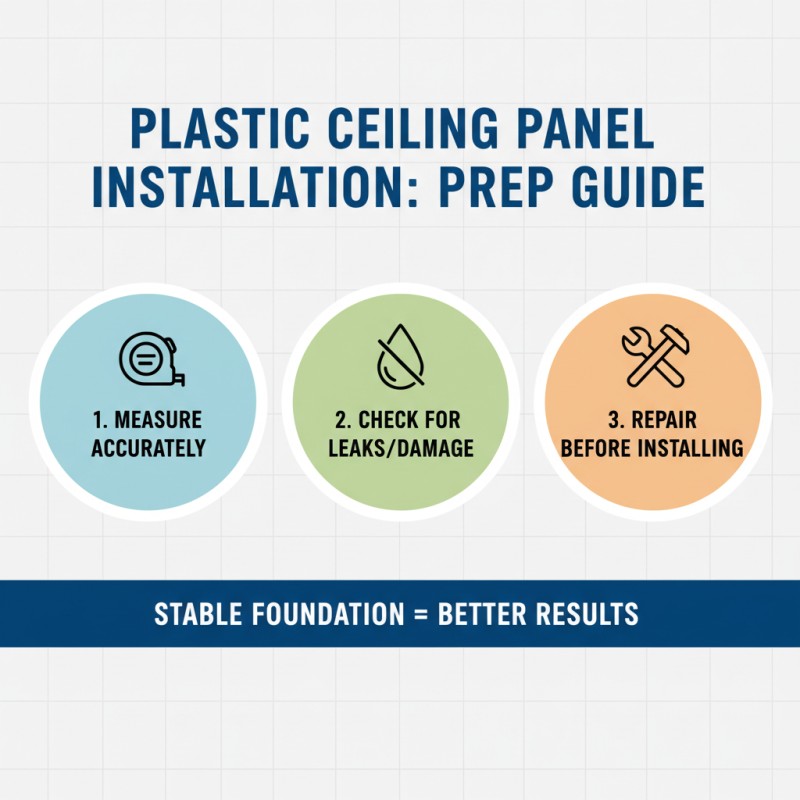
When considering the installation of plastic ceiling panels, preparation is crucial. Start by measuring your space accurately. This ensures you buy the right amount of material. Take the time to inspect the existing ceiling for any leaks or damages. Address these issues before installing the new panels. A stable foundation will lead to better results.
During installation, follow the manufacturer's guidelines closely. Use basic tools like a utility knife, straightedge, and measuring tape. It’s vital to cut the panels accurately to fit your ceiling. Remember, precision is key. Small mistakes can lead to uneven gaps or misalignment. If you're unsure, practice on a scrap piece first.
Tips: Always wear safety goggles during installation. This protects your eyes from debris. Take breaks to avoid fatigue, especially with larger projects. If you're installing panels in a humid area, ensure you use moisture-resistant panels. These will last longer and maintain their appearance. Keep in mind, learning from mistakes can improve your skills for future projects.
Maintenance Tips for Longevity of Plastic Ceiling Panels
When installing plastic ceiling panels, proper maintenance is crucial for longevity. Research shows that regular cleaning can extend the life of these panels significantly. Using a soft cloth with mild soap and water prevents build-up. Avoid harsh chemicals, as they can degrade the material. According to industry experts, panels that receive proper care can last up to 20 years.
Humidity can be a challenge. High moisture levels may warp or discolor the panels. Installing dehumidifiers in damp areas can help mitigate this risk. It’s also essential to inspect panels regularly for any signs of damage. Addressing small issues before they escalate is vital. A small crack can lead to bigger problems down the road.
Temperature fluctuations can impact plastic ceiling panels. Keeping indoor temperatures stable can reduce stress on the panels. Utilizing insulation techniques can help with this. Ultimately, understanding your environment is key. Each installation might face unique challenges, necessitating tailored maintenance strategies.