China Top Wall Panel Design Styles You Should Know?
In today’s design landscape, wall panel design remains a pivotal element in modern architecture. Renowned designer Jane Smith, a specialist in interior aesthetics, emphasized, “Wall panels can transform the mood of any space.” This statement highlights the significance of choosing the right style and material for wall panels.
The diversity of styles in wall panel design offers numerous possibilities for home and office environments. From sleek modern finishes to classic wooden textures, each choice impacts visual appeal and functionality. Asian influences, for instance, have given rise to minimalist and nature-inspired designs, which resonate well in contemporary spaces. Such creativity allows for both personal expression and customized aesthetics.
However, selecting wall panel designs is not always straightforward. Many homeowners struggle with decisions that balance style, cost, and durability. It is essential to reflect on individual tastes and practical needs. Thoughtful choices can result in transformative environments, but the process often requires careful consideration and professional guidance. Embracing the evolving trends in wall panel design ultimately leads to spaces that are not only beautiful but also resonate with their inhabitants.
Top 5 Popular Wall Panel Materials in China's Interior Design Market
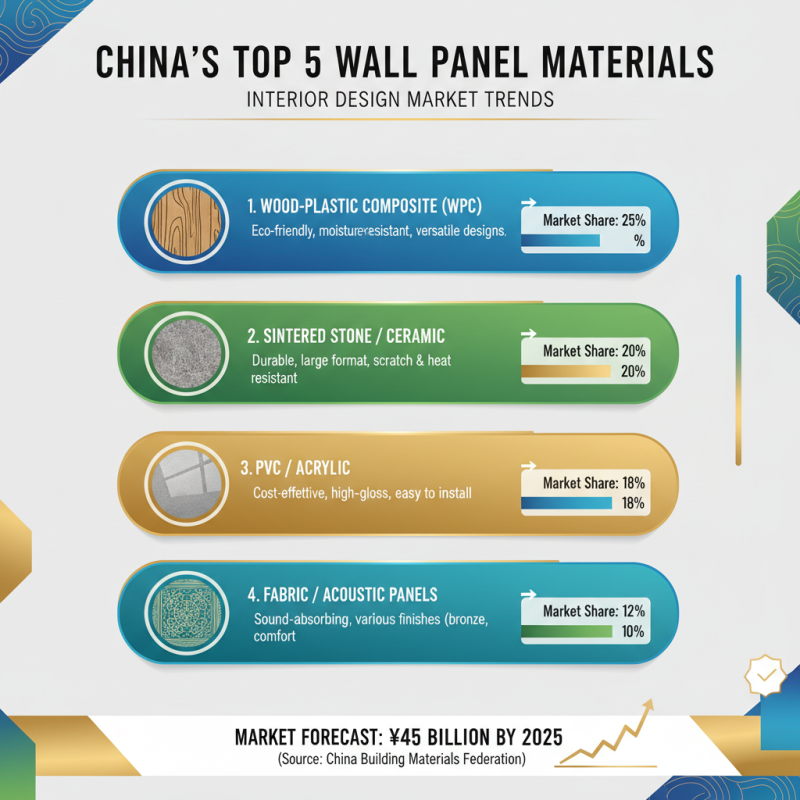
In the dynamic landscape of China's interior design market, wall panels play a pivotal role. The choice of materials significantly influences aesthetics and functionality. According to a recent report by the China Building Materials Federation, the wall panel market is expected to reach approximately 45 billion yuan by 2025. This growth highlights the crucial role of material selection.
One popular choice is MDF (medium-density fiberboard). It is favored for its versatility and smooth finish. Many designers appreciate its adaptability to various design styles. Another widely used material is plywood, known for its durability and strength. It is often chosen for commercial spaces. Meanwhile, PVC panels are gaining traction due to their water resistance and ease of maintenance. However, designers must consider the environmental impact of synthetic materials like PVC.
Furthermore, natural wood strips are a classic option, offering elegance and warmth. They create a timeless look but may require more upkeep. In contrast, gypsum boards are lauded for their fire resistance, making them ideal for safety-conscious projects. Each material presents distinct advantages and challenges. It is crucial for designers to balance aesthetics with practicality and sustainability. As the market evolves, staying informed on material innovations is vital for shaping future designs.
Key Design Trends for Wall Panels in Contemporary Chinese Architecture
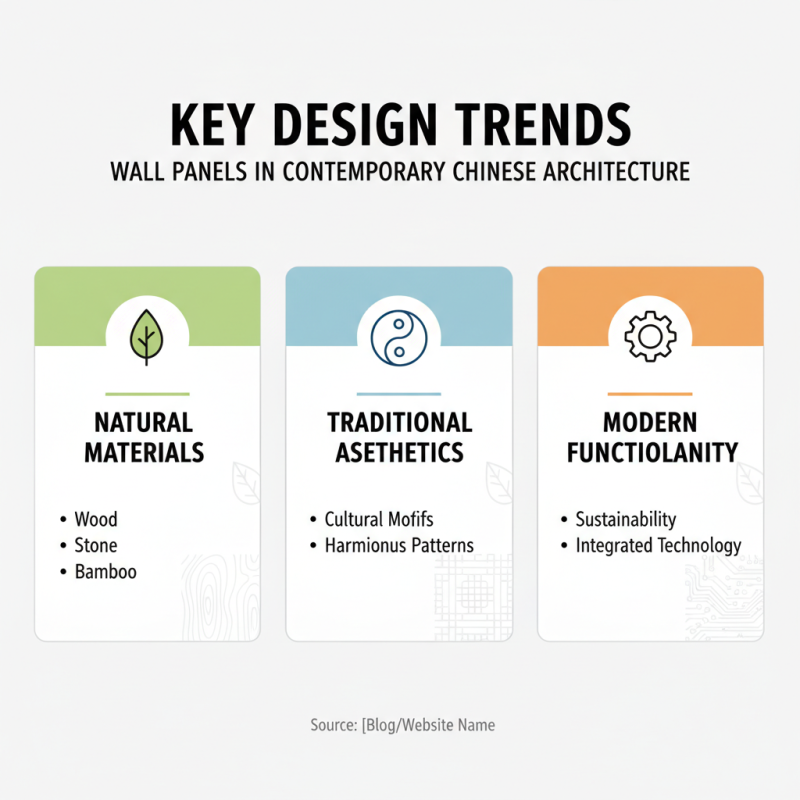
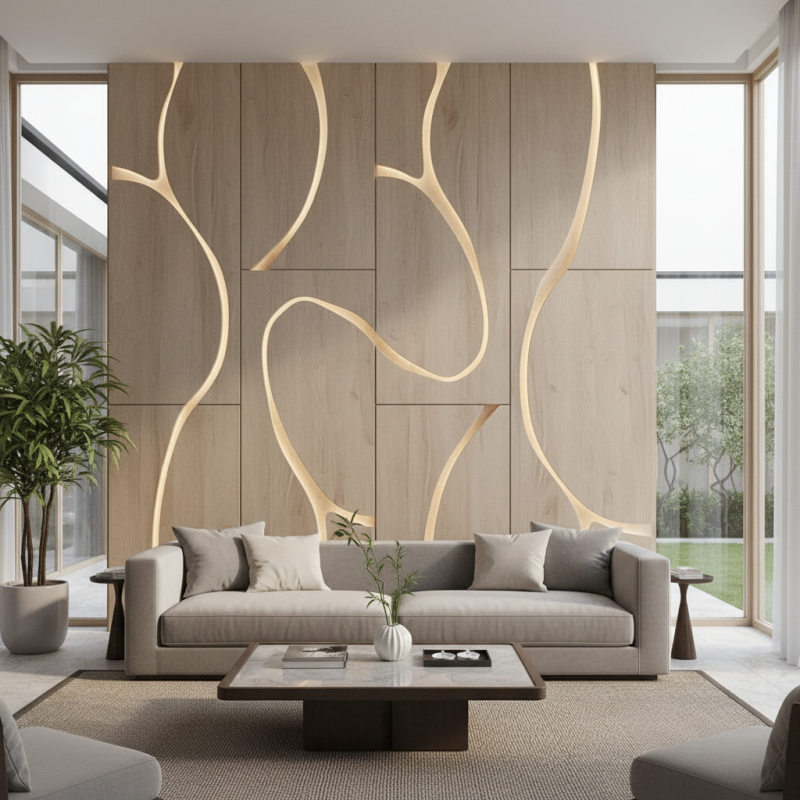
In contemporary Chinese architecture, wall panel designs are evolving rapidly. The integration of traditional aesthetics with modern functionality has become essential. One notable trend is the use of natural materials. Wood, stone, and bamboo are often seen. These materials not only enhance the aesthetic but also promote sustainability.
Texture plays a vital role. Smooth finishes are common, but textured panels create depth and interest. This can make a space feel more inviting. Another important aspect is color. Neutral tones dominate, but bold accents can energize a room. Designers often experiment with contrasting colors to add visual appeal.
Tips: Consider how lighting interacts with your wall panels. Soft lighting can emphasize textures, while harsh lighting might expose flaws. Always think about maintenance. Some materials require more care and might not be suitable for high-traffic areas. Lastly, reflect on how the design aligns with your overall theme. Does it communicate the intended vibe of your space?
Impact of Wall Panel Styles on Energy Efficiency and Sustainability
When choosing wall panel styles, consider their impact on energy efficiency and sustainability. Research shows that well-designed wall panels can enhance insulation, leading to lower energy consumption. In fact, studies by the U.S. Department of Energy demonstrate that proper insulation can reduce heating and cooling bills by up to 30%. This is significant for both residential and commercial spaces.
Sustainable materials are becoming increasingly popular in wall panel design. Options like recycled wood or bamboo not only contribute to aesthetic value but also support eco-friendly practices. According to the World Green Building Council, buildings that incorporate sustainable materials can reduce their carbon footprint by as much as 50%. However, many panels on the market still rely on non-renewable resources. Thus, it is essential to evaluate the source of materials when selecting wall panel styles.
Additionally, the aesthetic appeal of wall panels should not overshadow the importance of functionality. Some designs may look visually striking but fail to provide adequate insulation. A balance between design and efficiency is key. Experts often encourage homeowners to conduct energy audits before making decisions. This ensures that the chosen style truly contributes to energy savings and sustainability rather than just appearance.
China Top Wall Panel Design Styles You Should Know
| Design Style |
Material |
Energy Efficiency Rating |
Sustainability Score |
Cost ($/m²) |
| Modern Minimalist |
Lightweight Concrete |
A+ |
8/10 |
50 |
| Classic Wood |
Natural Wood |
B |
7/10 |
80 |
| Industrial Loft |
Exposed Brick & Steel |
B- |
6/10 |
120 |
| Eco-Friendly Paneling |
Recycled Materials |
A++ |
9/10 |
60 |
| Textured Panels |
Fiberglass |
A |
8/10 |
70 |
Comparative Analysis of Wall Panel Aesthetics in Urban vs. Rural China
In urban areas of China, wall panel designs often prioritize minimalism and sleek lines. Cities are fast-paced, and the aesthetic reflects this. For instance, many buildings feature large panels in neutral colors. This choice creates a serene backdrop amidst the urban hustle. Textures like smooth finishes or subtle patterns offer a touch of sophistication. However, this trend can sometimes feel sterile or impersonal.
In contrast, rural wall panel designs embrace warmth and vibrancy. Traditional motifs are commonly used, reflecting local culture. Bright colors and organic materials create a cozy atmosphere. For instance, wooden panels with intricate carvings tell stories of the past. Yet, some rural designs may lack the durability needed for changing weather. This can lead to maintenance challenges. The aesthetic diversity is notable, but it also raises questions about sustainability and modernity in these environments.
Market Insights: Consumer Preferences in China's Wall Panel Industry
In recent years, China's wall panel market has shown significant growth. A report by Research and Markets highlights a projected CAGR of 10% from 2021 to 2027. Consumers are increasingly leaning towards eco-friendly materials. They prefer panels made from sustainable sources, reflecting a trend towards environmental consciousness.
Design styles are also evolving. Many consumers favor minimalist aesthetics. Simple lines and neutral colors are popular choices. Yet, a segment of the market craves bold patterns and textures. According to a survey by Statista, approximately 65% of respondents expressed interest in customizable designs. This indicates a shift towards personalization.
Despite the growing demand, challenges persist. The market faces issues like fluctuating raw material prices. Quality control remains a concern, particularly for lower-tier brands. Many consumers report dissatisfaction with durability and finish. Addressing these inconsistencies is crucial for brands striving for growth. The focus should be on lasting quality alongside aesthetic appeal.