When considering home renovations, wall panel systems are a popular choice. These systems offer versatility and aesthetic appeal. John Smith, an expert in interior design, states, "Wall panel systems can transform a room's atmosphere." His insight captures the essence of why homeowners lean toward this option.
Choosing the right wall panel system can be overwhelming. There are many styles, materials, and installation methods. It requires careful consideration to match your decor and needs. Often, homeowners overlook the importance of quality. Choosing low-cost options may lead to issues later.
Installation is another critical factor. While some DIY enthusiasts may attempt it, professional help can ensure better results. This is vital for ensuring durability. Mistakes in installation can cause damage. Wall panel systems are not one-size-fits-all. Personal preferences and functionality should guide your choices. Reflecting on these aspects can help make the right decision.
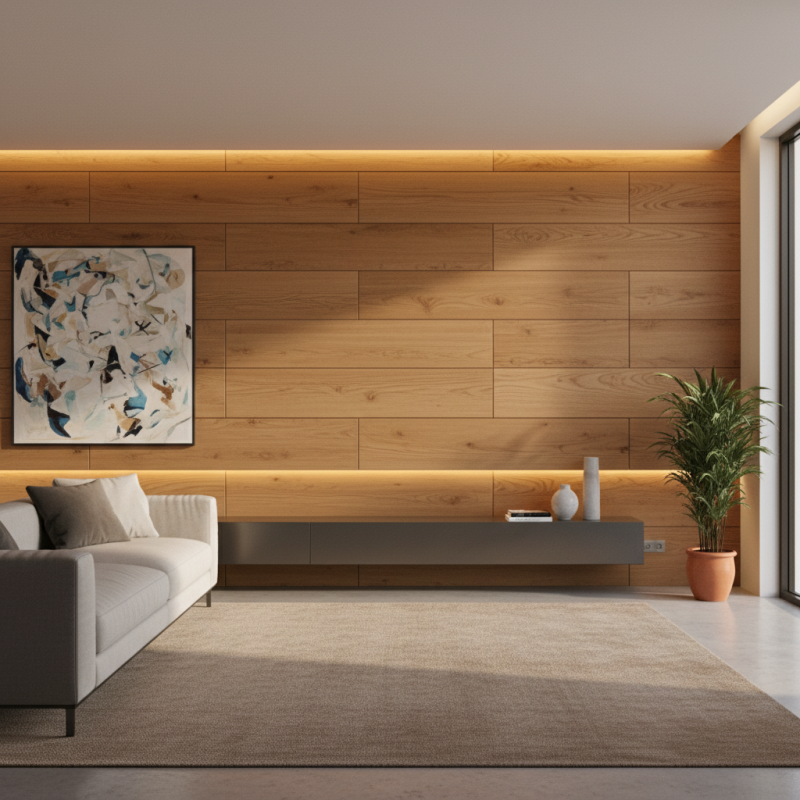
When considering wall panel systems for your home, it’s crucial to understand the various types. There are wood, vinyl, and plaster options, each offering unique benefits. Wood panels bring warmth and character. They can also be more susceptible to moisture damage. Vinyl panels are often easier to maintain. Yet, some people find them less attractive than natural materials.
A recent industry report highlights that about 30% of homeowners prefer wood options for aesthetic reasons. However, vinyl has been rising in popularity, with a 15% annual increase. This is largely due to its durability and low maintenance needs. Many people appreciate how easy it is to clean vinyl panels. Plaster systems can offer a sleek look but can crack over time. Their installation process can also be labor-intensive and costly.
Choosing the right wall panel system involves considering your budget and aesthetic goals. Some options may require professional installation, which can add to expenses. Additionally, not all materials suit every environment—wood may warp in high humidity. Reflect on your specific needs carefully. The right choice contributes significantly to your home's overall atmosphere.
| Panel Type | Material | Cost per Square Foot | Installation Difficulty | Durability |
|---|---|---|---|---|
| Wood Paneling | Plywood, MDF | $4 - $8 | Moderate | High |
| Vinyl Paneling | PVC | $2 - $6 | Easy | Medium |
| Fabric Panels | Textile, Foam | $5 - $12 | Moderate | Low |
| Gypsum Board | Gypsum, Paper | $1 - $4 | Easy | High |
| Composite Panels | Aluminum, Composite Materials | $6 - $15 | High | Very High |
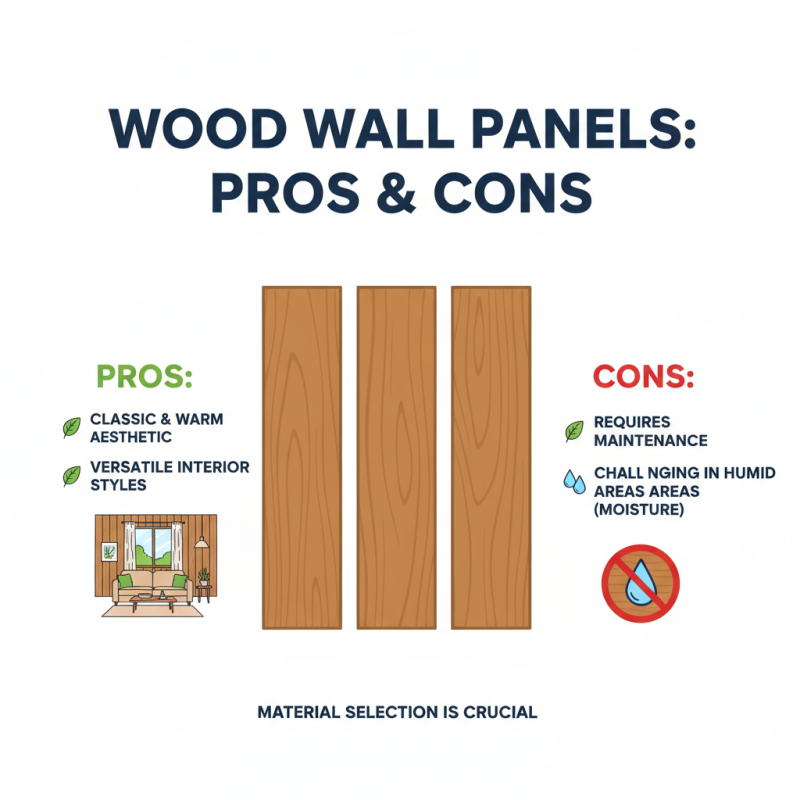
When choosing wall panel systems, material selection is crucial. Wood panels offer a classic and warm aesthetic. They can fit various interior styles. However, wood requires maintenance. You need to keep it free from moisture. That can be challenging in humid areas.
PVC panels are a popular choice for durability and water resistance. They come in many designs and colors. Installation is typically easier than wood. However, the look may feel less luxurious. This could impact your home's overall appeal.
Fabric panels are a more unique option. They provide excellent sound insulation. Decorative patterns can enhance a room's character. Yet, they can attract dust and may require regular cleaning.
Tips: Consider the room’s function when choosing materials. Think about moisture levels if you're near the kitchen or bathroom. Evaluate how much upkeep you’re willing to manage over time. Aesthetic appeal and practicality should be balanced.
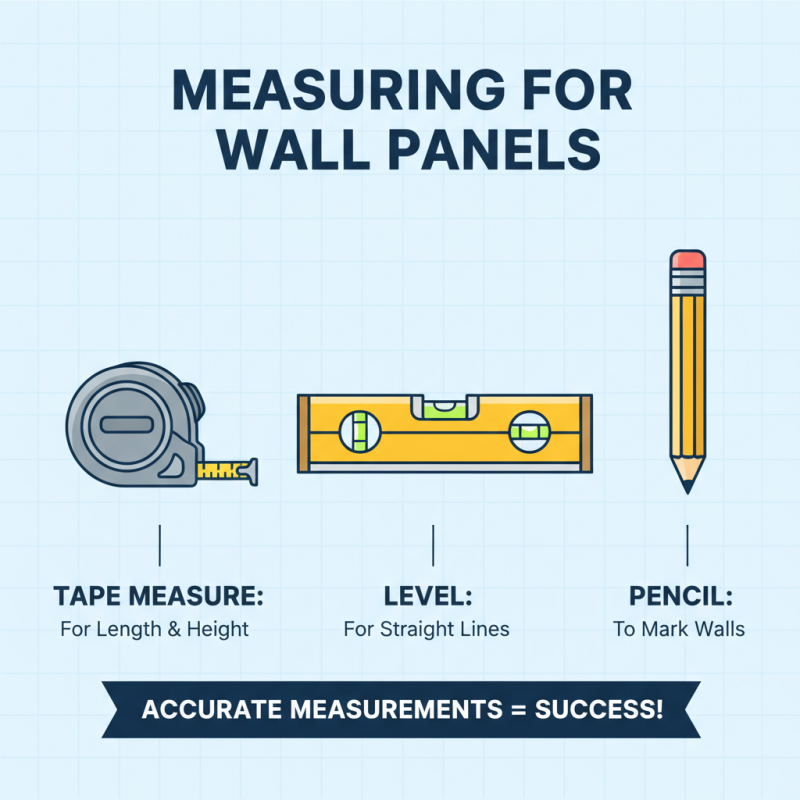
Measuring your space accurately is crucial for a successful wall panel installation. Start by gathering basic tools: a tape measure, a level, and a pencil. Measure the length and height of each wall you wish to cover. Don't rush this process. Double-check your measurements to avoid costly mistakes. Once you have the dimensions, consider any obstacles like windows, outlets, or moldings.
Afterward, sketch a layout to visualize the paneling. This helps identify how panels will fit together. Use your measurements to create a clear guide for cutting. Remember that walls aren't always perfectly straight. Use a level to ensure your panels line up correctly.
Mistakes often happen, like miscalculated dimensions or uneven cuts. If a panel doesn't fit, it can be frustrating. Take a moment to reassess your work. Are your measurements correct? Did you account for all features in the room? Reflecting on these questions can lead to smoother installation.
When considering wall panel systems, having the right tools and supplies is crucial. A recent industry report indicates that nearly 75% of DIY failures stem from inadequate preparation. Essential tools include a level, measuring tape, and saw. You may also need adhesive, screws, and a caulk gun for a clean finish. Having these items on hand can streamline the installation process.
Choosing high-quality supplies is equally important. For instance, panels made from durable materials can last longer and resist wear. According to a Common Construction Trends report, homes with well-installed wall panels can see a 20% increase in property value. However, many overlook the importance of proper ventilation and moisture barriers. This oversight can lead to mold growth, diminishing the aesthetic appeal and structural integrity of the install.
Consider the installation space carefully. Poorly lit areas can complicate the task. If the panels don’t align, it requires rework, which many inexperienced installers mishandle. Sometimes, a second pair of hands makes all the difference. It’s easy to underestimate time and effort. Making an upfront plan can prevent costly mistakes down the line. Consider these details for a successful installation.
Installing wall panels can transform your space. This step-by-step guide will help you achieve a stylish look. According to industry reports, wall panel installations can enhance insulation and reduce energy costs by up to 15%. This can lead to significant savings over time.
When starting, assess your room’s dimensions. Measure the walls carefully to determine how many panels you will need. Always round up your count to account for mistakes. For example, if your wall is 10 feet long and each panel is 4 feet, you need three panels, not two.
Tips: Choose a panel material that matches both functionality and style. Consider wood for warmth or PVC for moisture-prone areas. Remember, poor alignment can lead to gaps or uneven lines. Take your time when cutting panels to fit. This mistake often requires repurchasing, which can disrupt your budget and timeline.
Finally, use quality adhesive for securing panels. Insufficient glue can cause panels to warp or fall. It’s best to invest in the right tools and materials upfront. Even small errors can have a big impact on the aesthetics of your home. Be patient and double-check all measurements before proceeding.