How to Choose the Best Panel Doors for Your Home?
Choosing the right panel doors for your home is essential. The market for panel doors has seen significant growth in recent years. According to a report by Grand View Research, the global door market is projected to reach $200 billion by 2025, with panel doors leading the segment. Experts highlight the importance of selecting both function and aesthetics.
John Miller, a leading authority in the door manufacturing industry, once said, “The right panel doors can transform any space while improving energy efficiency.” This underscores how important these doors are in home design. It’s not just about style; it’s about durability and functionality.
However, navigating the various options can be overwhelming. Panel doors come in multiple materials and designs. Each option has its pros and cons. Understandably, many homeowners might feel lost in this process. Focusing on quality and purpose can help clarify the choice. Your doors do more than close off a room—they contribute to your home’s overall ambiance and functionality.
Understanding the Different Types of Panel Doors Available
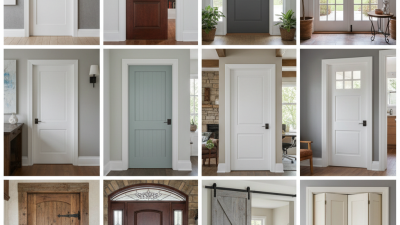
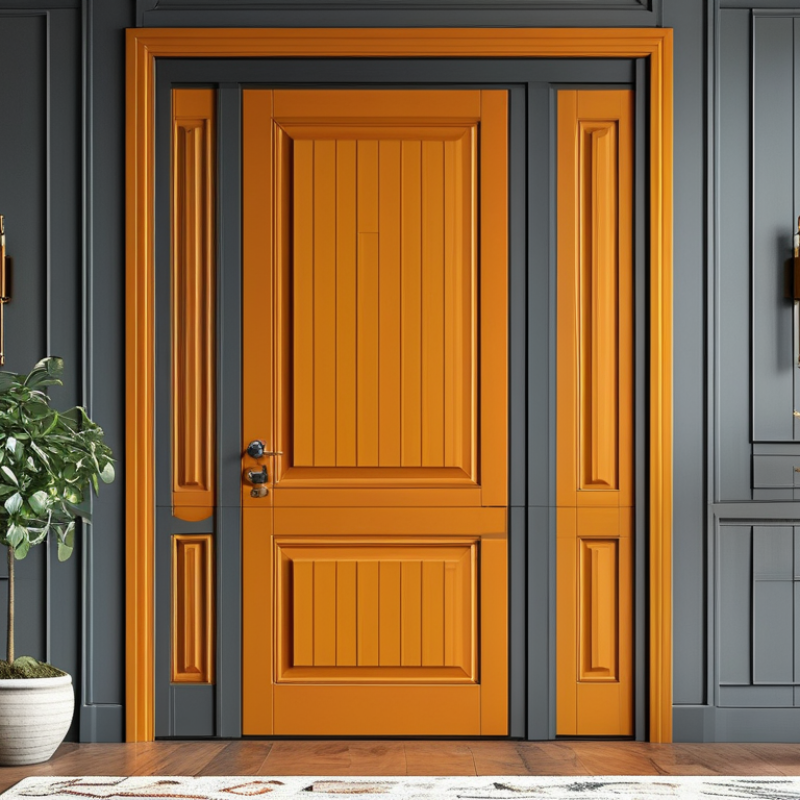
When selecting panel doors for your home, understanding the various types available is crucial. There are several popular styles, including flat-panel, raised-panel, and shaker panel doors. Each type has distinct features that can impact both aesthetic appeal and functionality. According to industry reports, raised-panel doors are favored for traditional homes due to their elegant and classic look, accounting for about 40% of the market share. Flat-panel doors, on the other hand, represent a modern trend, often seen in minimalist designs.
Tips: Consider your home’s architectural style when choosing a door type. A mismatched design can detract from the overall look.
Material choice is also significant. Common materials include wood, MDF, and fiberglass. Wood doors offer timeless beauty but require maintenance. MDF provides a budget-friendly option, while fiberglass promises durability and low upkeep. Research indicates that energy efficiency is a growing concern, with fiberglass doors offering excellent insulation properties, which can lower energy bills.
Tips: Don’t overlook the finish. A poor choice can clash with interior design. Visit showrooms to see finishes in person. It often reveals details not captured in images.
Evaluating Material Choices for Durability and Aesthetics
Choosing the right panel doors involves understanding materials that enhance durability and aesthetics. Different materials offer unique benefits. For instance, solid wood doors provide natural beauty and long-lasting strength. However, they may warp or crack in extreme humidity, requiring careful maintenance. A survey from the National Association of Home Builders (NAHB) indicates that over 50% of homeowners prefer wood for its timeless appeal.
Alternatively, engineered wood is an excellent option, combining affordability with stability. It resists warping and often features a beautiful veneer. Data suggests that these doors can last up to 30 years if properly maintained. This longevity is appealing, but their aesthetics can sometimes lack the warmth of genuine wood due to the manufacturing process.
Fiberglass doors are another growing trend, praised for their energy efficiency and resilience. According to the Department of Energy, fiberglass doors can reduce heating and cooling costs significantly. However, potential buyers should consider that they may not always provide the same stylish finish that wood offers. Each material choice presents trade-offs. Homeowners must weigh these factors against their personal style and climate needs. Making an informed decision will help in selecting panel doors that truly enhance your home.
How to Choose the Best Panel Doors for Your Home? - Evaluating Material Choices for Durability and Aesthetics
| Material |
Durability |
Aesthetic Appeal |
Cost |
| Solid Wood |
High |
Classic and Warm |
$$$ |
| Hollow Core |
Medium |
Simple and Modern |
$ |
| MDF |
Medium |
Versatile and Smooth |
$$ |
| Fiberglass |
High |
Modern and Sleek |
$$$ |
| Steel |
Very High |
Industrial Look |
$$$ |
Assessing Panel Door Styles to Match Your Home’s Interior Design
Choosing the right panel doors can enhance your home’s interior design. When assessing styles, consider how they complement your existing décor.
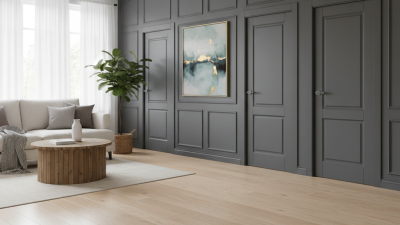
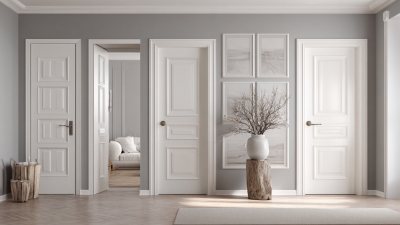
Traditional panel doors offer a classic look, suitable for vintage or rustic interiors. On the other hand, modern panel doors can fit seamlessly into contemporary spaces with their sleek lines.
Tips: Think about the finish and material. A solid wood door provides warmth, while a glass-paneled option adds openness. Both can transform the feel of a room.
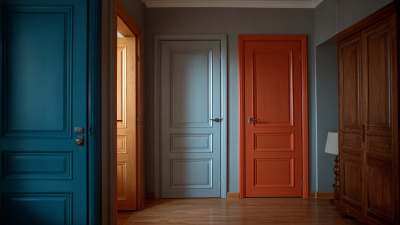
Remember to evaluate the color scheme of your space. Neutral tones work well in many settings, but don’t shy away from bold colors for a statement piece. Reflect on your lifestyle too. High-traffic areas may require more durable options.
Ultimately, the choice should resonate with your personal style. Don’t rush the decision. Visit showrooms and visualize how each door fits into your home. This thoughtful process can reveal hidden preferences and elevate your space.
Importance of Size and Fit When Selecting Panel Doors
Choosing the right panel doors for your home involves careful consideration of size and fit. One common mistake is underestimating the importance of precise measurements. A door that’s too small or too large can disrupt the entire aesthetic of a room. Measure the height and width of existing door frames. Always account for the door thickness as well.
Installation can be a Challenge if the door doesn't fit well. Gaps can lead to drafts or security issues. A door that is too tight can warp over time, while a loose door can affect insulation. Homeowners often overlook these factors, leading to costly adjustments later. Consider how the panel door will align with floor level and adjacent walls.
The choice of material also affects fit and functionality. Solid wood doors may expand or contract based on humidity, impacting their fit. On the other hand, composite materials can offer stability. Think about your climate and the door's location. Ensure your decision aligns with practical needs, not just aesthetics. Balancing these aspects can seem tough, but it’s essential for lasting satisfaction.
Considering Energy Efficiency and Insulation Properties of Doors
When selecting panel doors for your home, energy efficiency is key. Look for doors that feature good insulation properties. Well-insulated doors can significantly reduce your heating and cooling costs. They help maintain consistent indoor temperatures. Consider options with solid cores over hollow ones for better thermal performance.
Check the door's R-value. This measures insulation effectiveness. Higher R-values indicate better energy efficiency. Additionally, look for weatherstripping features. These help close gaps and avoid drafts. Many homeowners overlook this detail, which can lead to wasted energy and increased bills.
Remember, even the best choices may have downsides. Some materials may warp over time, impacting energy efficiency. Custom installations can be costly. Weigh the pros and cons carefully. Always seek advice from professionals to ensure you make informed decisions. Your home deserves the best balance of style and efficiency.