How to Choose the Best Plastic Panels for Your Home and Business Needs
In recent years, the utilization of plastic panels in residential and commercial settings has gained significant momentum, driven by their versatile applications and cost-effectiveness. According to a report from the Global Plastics Panel Association, the market for plastic panels is projected to grow at a compound annual growth rate (CAGR) of 5.8% from 2023 to 2030. This growth is attributed to the increasing demand for lightweight and durable building materials that offer both aesthetic appeal and functionality.
Johnathan Rivers, a leading expert in plastic panel technology, emphasizes, “The choice of plastic panels can significantly impact energy efficiency and sustainability in construction projects.” His insights shed light on the importance of selecting the right type of plastic panels, tailored not only to specific applications but also to environmental conditions. From UV resistance to insulation properties, the right panel can enhance the longevity and performance of structures, ultimately benefiting homeowners and business operators alike.
As the industry continues to evolve, understanding the nuances of different plastic panel types—such as polycarbonate, acrylic, and PVC—becomes crucial. Making an informed choice ensures that users maximize both functionality and value in their investments, setting the stage for innovative applications across various sectors.

Understanding the Different Types of Plastic Panels Available in the Market
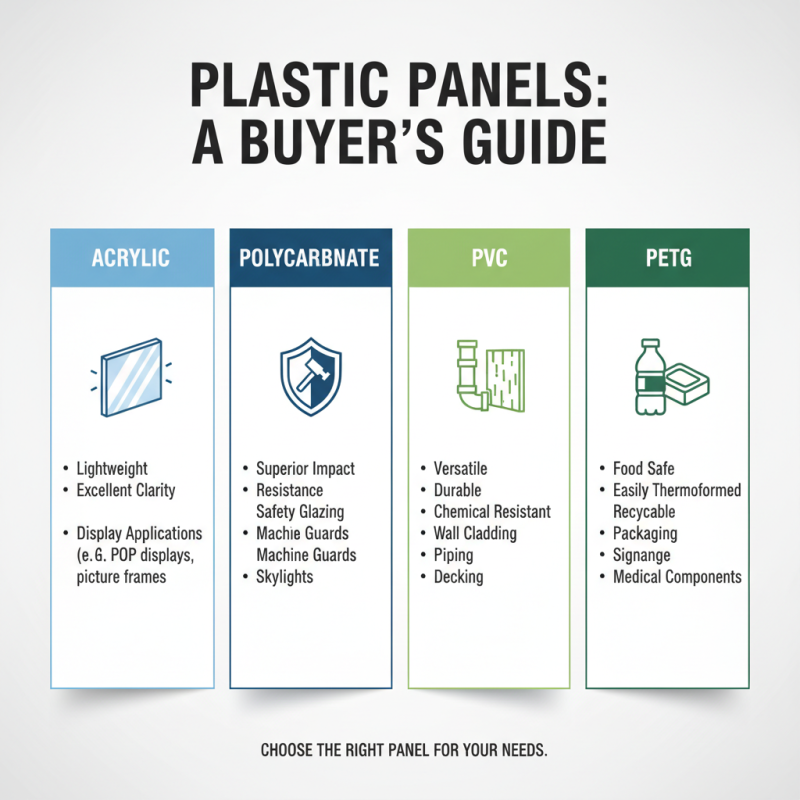
When selecting plastic panels for your home or business, it’s essential to understand the variety of options available in the market. Common types include acrylic, polycarbonate, PVC, and PETG panels, each presenting unique characteristics that cater to different needs. Acrylic panels are lightweight and offer excellent clarity, making them ideal for display applications. On the other hand, polycarbonate panels are known for their superior impact resistance, making them a popular choice for safety-related uses.
**Tips:** When choosing plastic panels, consider the specific application you have in mind. For example, if you're looking for panels that withstand harsh weather conditions, opt for polycarbonate, as they perform well in extreme temperatures. Additionally, think about the thickness and rigidity required; thicker panels generally provide greater durability and insulation.
PVC panels serve well in applications where moisture resistance is crucial, such as in bathrooms or kitchens. PETG, known for its flexibility and toughness, is often used in manufacturing environments. Before making a decision, assess where and how the panels will be used, as well as factors like ease of installation and maintenance requirements.
Benefits of Using Plastic Panels in Residential and Commercial Applications
Plastic panels are increasingly popular in both residential and commercial applications due to their numerous advantages. One of the primary benefits is their durability. Unlike traditional materials, plastic panels are resistant to moisture, corrosion, and UV rays, making them ideal for various environments. This resilience not only extends their lifespan but also reduces maintenance costs, as they do not require regular painting or sealing to maintain their appearance and functionality.
In addition to durability, plastic panels offer versatility in design and usage. They come in a wide range of colors, textures, and thicknesses, making it easy to match any aesthetic or functional requirement. For businesses, this means the ability to create a customized look that can enhance brand identity while being practical. In residential settings, homeowners can benefit from the aesthetic appeal and light weight of the panels, allowing for easier installation. Furthermore, many plastic panels also provide excellent insulation properties, contributing to energy efficiency and a more comfortable living or working environment.
How to Choose the Best Plastic Panels for Your Home and Business Needs
| Feature |
Residential Benefits |
Commercial Benefits |
| Durability |
Resistant to moisture and weather. |
Withstands heavy use and impact. |
| Maintenance |
Easy to clean with minimal upkeep. |
Low maintenance required, saves costs. |
| Insulation |
Improves energy efficiency. |
Reduces heating and cooling costs. |
| Aesthetic Variety |
Wide range of colors and designs available. |
Enhances business appeal and branding. |
| Cost-Effectiveness |
Affordable option for home improvements. |
Long-term savings in operational costs. |
Key Factors to Consider When Selecting Plastic Panels for Your Specific Needs
When selecting plastic panels for your home or business, it's essential to consider several key factors to ensure they meet your specific needs. First, assess the purpose of the panels. Are they intended for decorative use, insulation, or structural support? The intended function will guide you in choosing the right type of plastic, whether it's acrylic for clear visibility or polycarbonate for enhanced durability.
Tip: Always evaluate the location and environment where the panels will be installed. UV resistance might be critical if they will be exposed to sunlight, whereas moisture resistance is vital for areas prone to humidity.
Another important consideration is the panel size and thickness. Larger panels can cover more space but might be challenging to manage during installation. Thicker panels often provide better strength and insulation but can also increase the overall weight.
Tip: Measure your space accurately before purchasing and consider consulting with a professional to understand the best sizes and weights suited for your project. This way, you ensure a seamless fit that enhances both functionality and aesthetics.
Plastic Panels Selection Factors
Comparing Durability and Cost-Effectiveness of Common Plastic Panel Materials
When selecting plastic panels for home and business applications, durability and cost-effectiveness are critical factors to evaluate. Common materials such as polycarbonate, acrylic, and PVC each present distinct advantages and challenges. For instance, polycarbonate panels are known for their exceptional impact resistance, making them a favored choice for areas that require safety, like commercial buildings.
According to industry reports, polycarbonate panels can withstand impacts up to 200 times greater than glass, making them a robust option despite a higher upfront cost compared to other materials.
On the other hand, acrylic panels offer a balance between cost and durability, providing clarity similar to glass at a more favorable price point.
They are less expensive than polycarbonate, often finding use in residential applications where aesthetic appeal is essential, like skylights or decorative partitions. However, acrylic is more prone to scratches and UV degradation than polycarbonate. PVC panels, while generally the most cost-effective option, exhibit lower impact resistance and can warp under extreme temperatures. According to a study by the American Society for Testing and Materials (ASTM), PVC performs well in areas with minimal exposure to harsh conditions, making it suitable for indoor applications or temporary structures where budget constraints are paramount.
Ultimately, understanding the specific requirements of your project, including environmental conditions and budget limitations, will guide the selection of the most appropriate plastic panel material. Keeping an eye on long-term maintenance costs and material lifespan can also significantly influence the overall cost-effectiveness of your investment in plastic panels.
Installation and Maintenance Tips for Maximizing the Lifespan of Plastic Panels
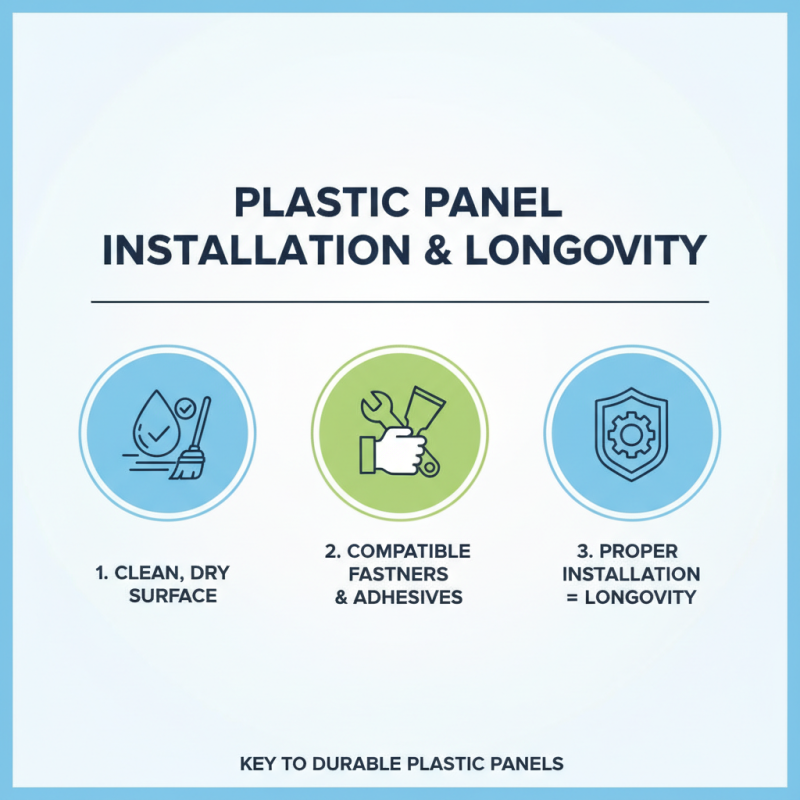
When it comes to installing plastic panels, proper installation and maintenance are key to ensuring their longevity and functionality. First, always ensure that the panels are installed on a clean, dry surface to facilitate proper adhesion and prevent moisture from getting trapped behind them. It's essential to use the right type of fasteners and adhesives that are compatible with the plastic material to avoid damage during installation.
Regular maintenance can significantly maximize the lifespan of your plastic panels. Keep them clean by using a mild soap solution and soft cloth to wipe off dirt and grime. Avoid abrasive cleaners that could scratch the surface, as this could lead to increased wear over time. Additionally, check for signs of wear or damage periodically, and address any issues promptly to prevent further deterioration.
**Tips for Maintenance:**
- Inspect your panels for cracks or discoloration at least twice a year.
- Use UV protectants to shield outdoor panels from sun exposure, reducing fading and brittleness.
- If using plastic panels indoors, ensure adequate ventilation to avoid moisture buildup, which can lead to mold growth.