How to Choose the Best Pocket Filter Media for Your Needs?
Choosing the right pocket filter media can greatly impact air quality and system efficiency. HVAC systems rely on these filters to trap airborne contaminants. According to Dr. Emily Lawson, an expert in air filtration, “Selecting the appropriate pocket filter media is crucial for optimal performance.”
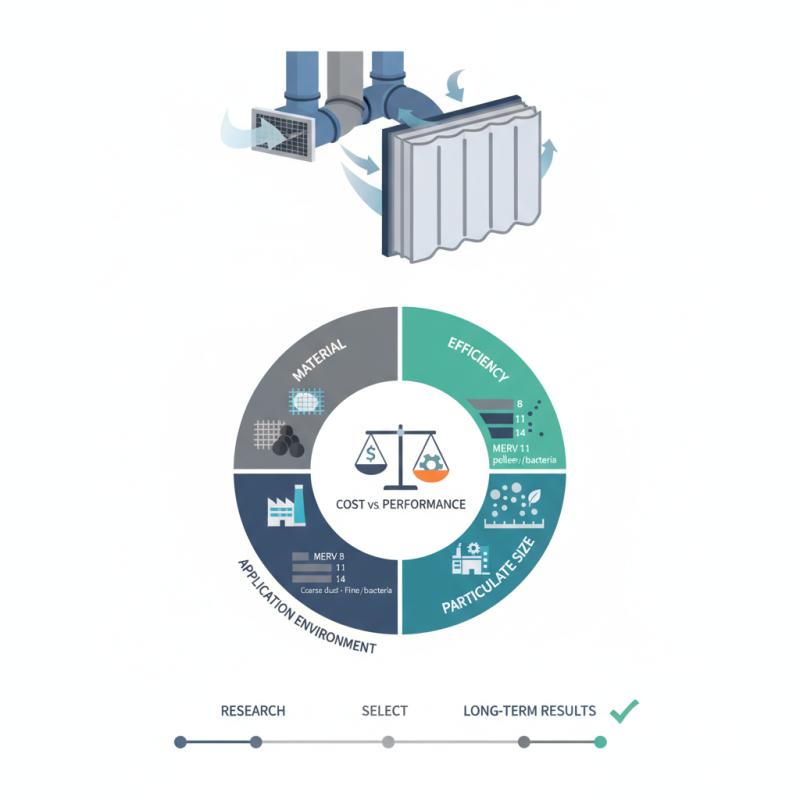
pocket filter media varies widely in material and efficiency. This diversity can make the selection process overwhelming. It requires careful consideration of specific needs, such as application environment and particulate matter size. A filter that works well in one setting may fail in another.
Moreover, cost is often a primary factor. Cheaper options can lead to increased maintenance costs. Balancing price with performance can be tricky. Users often face regrets over their choices later. Taking time to explore various media types can yield better long-term results. Remember, not all pocket filter media are created equal.
Understanding Pocket Filter Media: A Comprehensive Overview
Pocket filter media play a crucial role in maintaining air quality. They trap allergens, dust, and pollutants, ensuring cleaner environments. According to the 2022 Indoor Air Quality report by the EPA, quality air filters can reduce specific airborne contaminants by up to 50%. Using the right filter can significantly impact health, especially in industrial settings.
When choosing pocket filter media, consider the particle size efficiency. Filters have ratings like MERV (Minimum Efficiency Reporting Value). A higher MERV means better filtration. Filters with a MERV rating of 13 or more can capture 90% of pollen and dust mites. However, they may restrict airflow, leading to increased energy costs. Monitoring pressure drops is essential; filter efficiency shouldn't sacrifice system performance.
Another aspect is durability. Some filters last longer than others, and this may affect operational costs. However, higher durability might come with trade-offs in filtration efficiency. Industry research from ASHRAE highlights that while certain filters can last up to six months, their efficiency can drop significantly after just three months. This can hinder effectiveness over time.
In summary, selecting the best pocket filter requires balancing efficiency, airflow, and longevity. Ensuring optimal performance involves ongoing assessment and sometimes, difficult trade-offs.
Types of Pocket Filter Media: Materials and Their Applications
When choosing pocket filter media, it's crucial to understand the various materials available and their specific applications. Pocket filters can be made from synthetic fibers, organic fibers, or a combination of both. Synthetic fibers, such as polyester and polypropylene, are highly durable and often preferred for industrial applications. According to industry reports, these materials can achieve high filtration efficiencies, capturing particles as small as 0.5 microns, which is vital for ensuring clean air in manufacturing facilities.
Organic fibers, on the other hand, include natural materials like cotton. While they may be less durable, they offer excellent biodegradability. This is appealing for businesses focused on sustainability. It’s important to assess the environment in which the filter will be used. For instance, regions with high particulate matter may require more robust synthetic options.
Tips: Always consider your specific air quality requirements. Regularly assess the filtration performance to avoid premature saturation. Ideally, filters should be changed based on both time and pressure drop indicators. Some users overlook this, leading to reduced efficiency. Investing in the right pocket filter media can significantly impact air quality and operational efficiency.
How to Choose the Best Pocket Filter Media for Your Needs?
Key Factors to Consider When Selecting Pocket Filter Media
Choosing the right pocket filter media can be challenging. Several key factors play a crucial role in this decision. Start by considering the filter's efficiency rating. This indicates how well the filter will capture particles. Higher efficiency usually means cleaner air but may restrict airflow. Balance is essential.
Look at the filter's MERV rating. This rating measures the filter's ability to trap specific sizes of particles. A higher MERV rating signifies better filtration. However, too high a rating can lead to increased energy costs. It's vital to find a MERV rating suitable for your system and needs.
One important aspect is the filter's lifespan. Longer-lasting filters can save money over time. However, a filter that lasts too long may not be effective. Regularly check for dirt build-up. Clean filters contribute to better air quality and system efficiency.
Tips: Always assess your environment. Different settings require different filtration needs. Sometimes, more filtration isn’t necessarily better. Think about your specific requirements. Don’t rush the decision; mistakes can be costly.
Evaluating Efficiency and Performance of Pocket Filters
Choosing the right pocket filter media involves understanding efficiency and performance. Filters capture pollutants and improve air quality. The right choice depends on your specific applications and conditions. Consider factors like particle size and airflow.
Some filters claim high efficiency but may not work well in real-life scenarios. It's crucial to analyze both laboratory results and on-field performance. Filters might excel under controlled conditions yet fail in less ideal environments. Testing and assessments can reveal these discrepancies.
Think about maintenance and longevity, too. An efficient filter may clog faster, demanding more frequent changes. This can lead to increased costs and downtime. Keep an eye on the overall lifecycle of the filter, not just its initial performance. Your decision should reflect a balance of efficiency, life span, and cost-effectiveness.
Maintenance Tips for Prolonging the Life of Pocket Filter Media
Maintaining pocket filter media is crucial for optimal air quality. Regular checks can prevent unforeseen issues. Dust and debris build up over time. This can affect airflow. A simple visual inspection is a good start. Look for discoloration or visible clogging. If the media looks dirty, it may be time for a replacement.
Cleaning can be tricky. Some filters are washable, while others are not. Always follow the specific guidelines for your filter type. A washing machine may damage non-washable filters. For washable types, avoid harsh detergents. Gentle cleaning methods work best.
Keep an eye on humidity levels. Excess moisture can lead to mold growth on filters. Airflow should be balanced to prolong their life. Consider using dehumidifiers in damp areas. Regularly check for signs of moisture. Routine maintenance helps avoid costly replacements in the future.