How to Choose the Right Interior Folding Door Manufacturer?
Choosing the right interior folding door manufacturer is crucial for your home improvement projects. Many factors come into play when making this decision. Quality, style, and functionality should be at the forefront of your choices.
A good manufacturer will offer a variety of designs and materials. You might prefer wood for its warmth, or metal for its durability. It's important to assess the options carefully. Some manufacturers may not provide sufficient customer support. This can lead to frustration down the line.
Price is another vital aspect. Cheaper options may seem attractive but can lead to regrets later. Reflect on your needs and budget. Look for reviews and testimonials from other customers. Their experiences can guide you toward making a well-informed choice. Remember, selecting an interior folding door manufacturer is not just about doors. It’s about enhancing your living space.
Understanding Your Interior Folding Door Needs
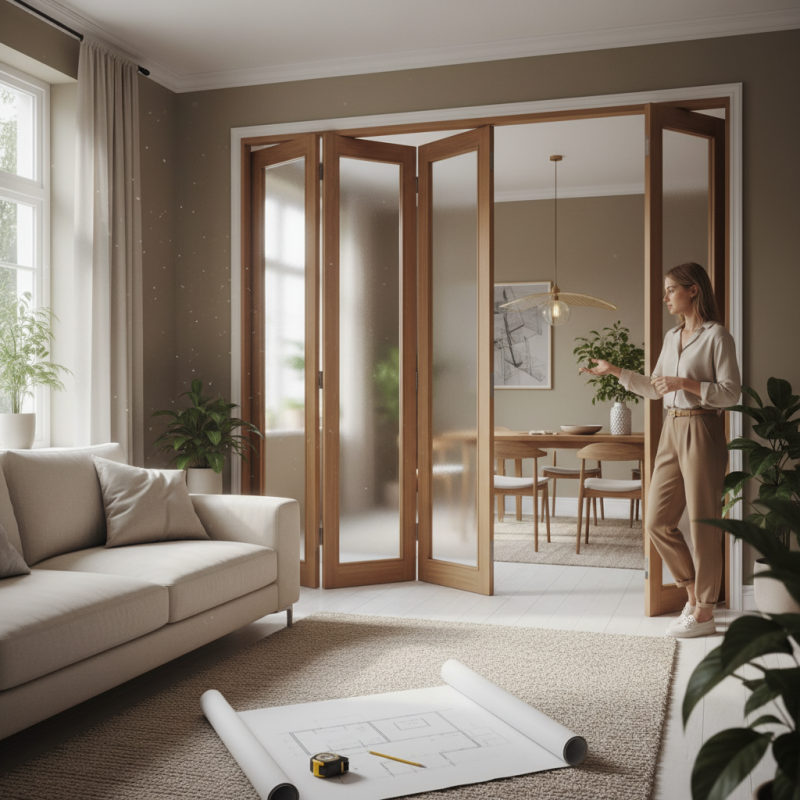
Choosing the right interior folding door means understanding your needs. Think about the space available in your home. Measure the height and width where the door will go. This ensures a good fit. Consider the overall style of your room too. Is it modern, traditional, or eclectic? The door should match your decor.
Material selection is crucial. Wood, metal, and hollow core doors each have distinct characteristics. Wood offers a warm, natural look. Metal is sleek and durable, while hollow core doors are lightweight and cost-effective. Think about maintenance too. Some materials require more care than others.
Also, think about functionality. Will the door be used frequently? Or just for occasional separation of spaces? Reflect on noise levels as well. An interior folding door can help contain sounds, but some materials do a better job than others. You might find choices that seem perfect but don’t fully meet your needs. It’s essential to weigh these factors carefully before making your final decision.
Researching Potential Manufacturers and Their Credentials
When choosing an interior folding door manufacturer, research is crucial. Start by examining their credentials and experience. Look for manufacturers with a solid track record in producing quality doors. Check if they have been in business for a substantial time. Longevity often indicates reliability.
Review customer feedback and testimonials. These insights can reveal the quality of their products. Pay attention to both positive and negative reviews. Sometimes, a high number of complaints can highlight persistent issues. Look for the manufacturer’s response to such feedback. How they handle criticism matters.
Assess their product range and customization options. A good manufacturer should offer various styles and sizes. This allows you to find the perfect match for your project. However, too many choices can lead to confusion. Reflecting on your specific needs is key. Collect information from different sources and create a pros and cons list. This will help clarify your decision-making process.
Evaluating Material Quality and Craftsmanship Standards
When choosing an interior folding door manufacturer, evaluating material quality is essential. High-quality materials enhance durability and aesthetic appeal. Look for doors made from solid wood or high-grade engineered materials. These options resist warping and provide better insulation.
Craftsmanship standards are equally crucial. Examine the manufacturer's reputation for precision and attention to detail. Check for clean finishes, even joints, and robust hardware. Poor craftsmanship leads to issues over time. Small imperfections might seem minor but can affect functionality.
Tips: Always ask for samples. Touch and feel the materials. This step reveals a lot about their quality. Evaluate the manufacturer’s warranty and customer service policies. A good warranty indicates confidence in their products. Inspecting work from previous projects can help gauge craftsmanship as well. Ensure that the doors meet your specific requirements without compromise.
Comparing Prices and Value for Your Budget
When selecting an interior folding door manufacturer, price and value are crucial. A lower price can be tempting, but quality should not be sacrificed. It’s essential to consider what you are getting for your money. Some manufacturers may cut costs by using cheap materials. This can lead to replacements sooner than expected.
Here are some tips for evaluating manufacturers. Look for reviews that specifically mention durability and design. Talk to contractors who have experience with various brands. They can provide insights that you may not find online. Request quotes from multiple manufacturers. This helps you see where your budget stands.
Keep in mind that the cheapest option isn't always the best. It could mean hidden costs down the road. Reflect on how the door fits within your total design vision. Compatibility and aesthetics are also important factors. Balancing quality with cost can be tricky, but value is not just about price. Consider warranties and customer service as well.
How to Choose the Right Interior Folding Door Manufacturer? - Comparing Prices and Value for Your Budget
| Manufacturer Location | Price Range (per door) | Material Options | Warranty Period | Customization Options | Customer Rating |
| USA | $150 - $300 | Wood, Composite, PVC | 10 years | Yes | 4.5/5.0 |
| Canada | $200 - $400 | Aluminum, Glass, Wood | 15 years | Yes | 4.7/5.0 |
| Europe | €150 - €350 | Wood, MDF, Glass | 10 years | Limited | 4.3/5.0 |
| Asia | $100 - $250 | PVC, Composite | 5 years | Yes | 4.0/5.0 |
Reviewing Customer Feedback and Industry Reputation
When evaluating an interior folding door manufacturer, customer feedback plays a critical role. According to the latest industry report, nearly 75% of buyers prioritize reviews when selecting a supplier. This highlights the importance of understanding what others say about product quality and customer service.
Take the time to read user reviews across multiple platforms. Look for comments that mention durability and ease of installation. Buyers often recommend checking the average ratings. Manufacturers with consistently high scores can indicate reliable products. However, don't overlook reviews that offer constructive criticism. They provide insights into potential issues you might face.
Industry reputation matters too. A 2022 survey revealed that 65% of homeowners prefer working with manufacturers that have established credibility. These companies often showcase their experience and commitment to quality. Nonetheless, brands with a long history might not always meet modern design trends. Be cautious and consider how innovation affects their offerings. Striking a balance between reputation and contemporary styles is vital.