How to Choose the Best Wall System for Your Home?
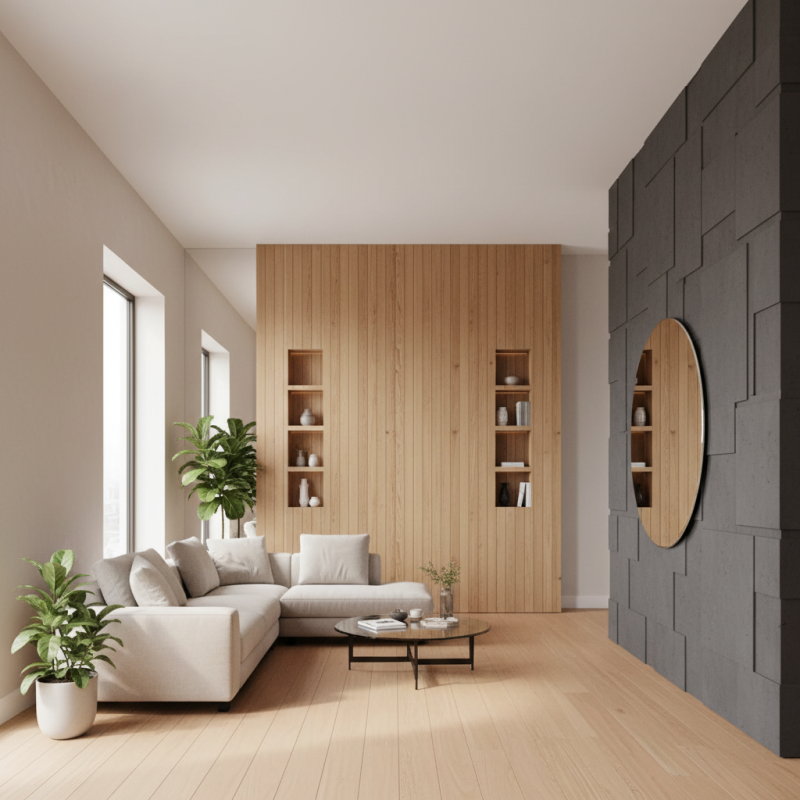
Choosing the right wall system for your home can be challenging. Different styles, materials, and functionality all play a role. You want something that fits your aesthetic while ensuring durability.
Consider how your wall system impacts lighting and space. For instance, light colors can brighten a room, making it feel larger. Textured walls may add character but could overwhelm a small area. It's essential to reflect on your home’s overall theme.
Don’t rush this decision. Take time to explore options. Look at different materials, like drywall, wood, or even alternative systems. Each choice has unique benefits and drawbacks. Aim for a balance between style and practicality. The perfect wall system might not exist, but thoughtful choices can lead to a satisfying compromise.
Understanding Wall System Types: An Overview of Options Available
When choosing a wall system for your home, understanding the types available is crucial. Different wall systems can change the look and feel of your space. Some popular options include drywall, plaster, wood paneling, and brick. Each material offers unique benefits and drawbacks. For example, drywall is cost-effective and easy to install. However, it can be vulnerable to moisture damage.
On the other hand, plaster walls provide a classic aesthetic. They require skilled application and can be more expensive. Brick walls offer durability and a rustic charm but may be hard to modify later. Think about how much time and effort you're willing to invest. Consider the insulation properties of each system. Do you want better soundproofing? Or is energy efficiency a priority for you?
Visualize how each option fits into your overall design. Consider maintenance needs too. Wood paneling, while beautiful, may require regular treatment. Reflect on your lifestyle. A wall system that suits your taste might not always align with practicality. So, weigh your choices carefully.
How to Choose the Best Wall System for Your Home? - Understanding Wall System Types: An Overview of Options Available
| Wall System Type |
Material |
Insulation R-Value |
Cost per Square Foot |
Durability |
Best For |
| Wood Frame |
Wood |
R-13 to R-21 |
$7 - $10 |
Moderate |
Residential |
| Steel Frame |
Steel |
R-13 to R-19 |
$8 - $12 |
High |
Commercial |
| Concrete Block |
Concrete |
R-3 to R-6 |
$10 - $15 |
Very High |
Basements, Humid Areas |
| Insulated Panel |
Foam/Metal |
R-20 to R-40 |
$15 - $20 |
High |
Energy Efficient Homes |
| Gypsum Wallboard |
Gypsum |
R-5 |
$3 - $6 |
Low |
Interior Walls |
Materials Matter: Comparing Common Wall System Materials and Their Benefits
Choosing the right wall system for your home is crucial. Selecting the right materials can greatly impact comfort, aesthetics, and insulation. Common options include
wood,
drywall, and
brick. Each material has its own set of advantages.
Wood offers a natural feel. It brings warmth and beauty to a space. However, wood can warp in humid conditions. It may not withstand extreme weather.
Drywall is a popular choice. It is relatively inexpensive and easy to install. Yet, it lacks the durability of other materials. Consider the long-term effects before making a choice.
Brick provides unmatched strength. It is fire-resistant and highly durable. But, it can be expensive and heavy. Ensure your foundation can handle it.
Tips: Think about the climate. Hot areas may need materials resistant to heat. Acoustic properties are important for privacy. Consider sound-absorbing materials for shared walls. Lastly, always plan for maintenance.
Insulation and Energy Efficiency: Choosing Walls for Optimal Performance
When choosing the best wall system for your home, insulation and energy efficiency are critical. The right wall can significantly impact your home's temperature control. Quality insulation helps keep warm air inside during winter and cool air during summer. Consider the materials that provide high R-values. This value measures thermal resistance. Greater R-values equal better insulation.
However, not all insulation is created equal. Some materials are more effective for particular climates. For instance, cellulose may work well in damp areas but not in arid regions. Drafts and moisture can compromise insulation effectiveness. Therefore, examine potential weak points in your walls. Are there gaps? How about seams and corners?
Energy efficiency goes beyond insulation. Wall systems also affect air circulation. Ensure you have a balanced approach to airflow. Sometimes, homeowners overlook this aspect. Proper ventilation is essential. It can prevent mold and maintain a comfortable humidity level. Test different configurations and see what feels right. This process may lead to some trial and error but will ultimately improve energy performance in your home.
Wall System Insulation Performance Comparison
This bar chart compares the R-Value of different insulation materials commonly used in wall systems. A higher R-Value indicates better insulation effectiveness, which contributes to improved energy efficiency in homes.
Regulatory Standards: Navigating Building Codes and Compliance for Wall Systems
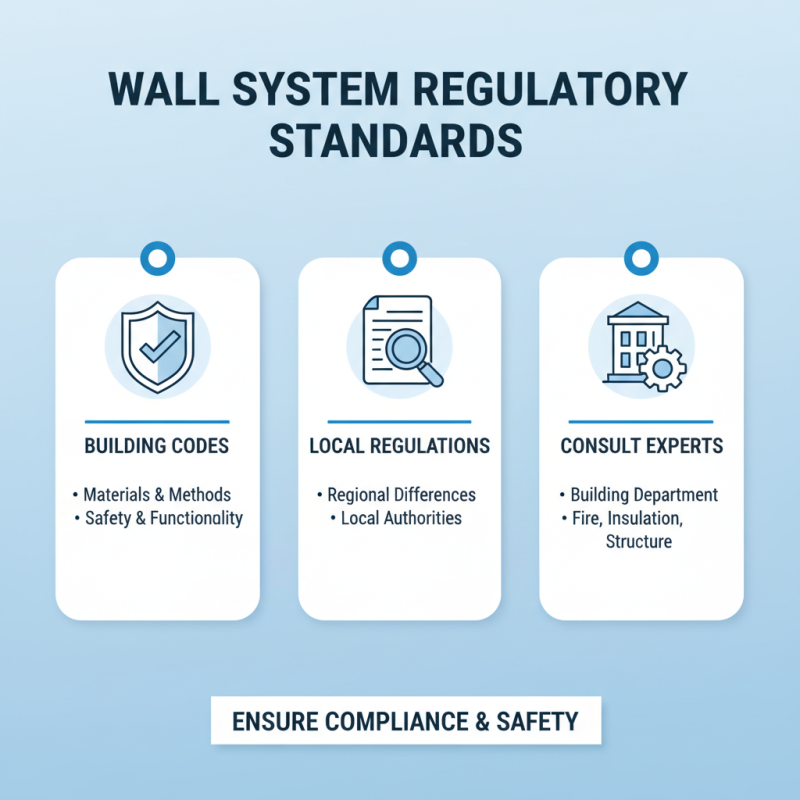
When selecting wall systems, understanding regulatory standards is crucial. Building codes dictate the materials and methods you can use. These codes ensure safety and functionality. In every region, local authorities enforce different regulations. It’s essential to consult your local building department for specific guidelines. They will provide necessary information about fire ratings, insulation properties, and structural integrity.
Compliance is not just about following rules; it affects the longevity of your home. For instance, improper installation can lead to moisture issues or structural failures. Many homeowners underestimate the importance of adhering to these standards. A lack of knowledge can result in costly repairs down the line. Reviewing applicable codes can help avoid unanticipated complications during construction.
Consider working with professionals who understand these regulations. They can guide you through the compliance process. But remember, even experts make mistakes. It’s wise to double-check their work. Keeping yourself informed ensures that your wall system is not just compliant but also effective in creating a safe and comfortable living environment. The right wall system can enhance your home if chosen wisely.
Cost Analysis: Evaluating the Long-term Investment in Different Wall Systems
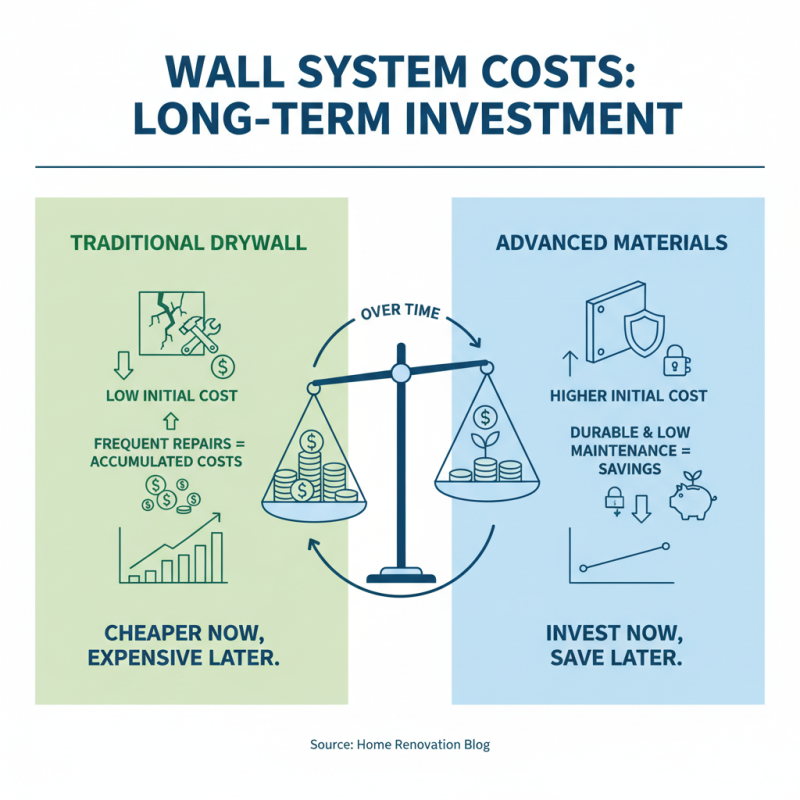
When assessing wall systems for your home, costs play a vital role. Different materials can vary significantly in price, and long-term investment is crucial. For instance, traditional drywall is inexpensive but may require frequent repairs. Over time, those small costs can accumulate and surprise you.
In contrast, options like brick or stone may have higher upfront costs. However, their durability can offer better value over decades. These materials often need little maintenance, which saves money in the long run. Plus, they can elevate the aesthetic of your home, enhancing overall resale value.
Consider insulation as well. Some wall materials provide better energy efficiency. This can lead to lower utility bills, making them attractive options. Evaluate your choices carefully; sometimes, the cheapest option today is not the wisest for tomorrow. Reflect on your lifestyle and priorities when making the final decision.