The Ultimate Guide to Choosing the Perfect Panel Doors for Your Home
Panel doors are a staple in modern home design, offering both aesthetic appeal and functional advantages. According to a recent report from the Door and Window Manufacturers Association, panel doors account for approximately 70% of the residential door market in the United States, reflecting their enduring popularity. These doors come in various styles and materials, allowing homeowners to select options that complement their decor while maximizing energy efficiency. With advancements in technology and design, equipped with features such as improved insulation and durability, the right panel door can significantly enhance a home's comfort and value. In this ultimate guide, we will explore essential tips for choosing the perfect panel doors, ensuring that your selection meets both your functional needs and stylistic preferences.
Understanding the Different Types of Panel Doors: Styles, Materials, and Uses
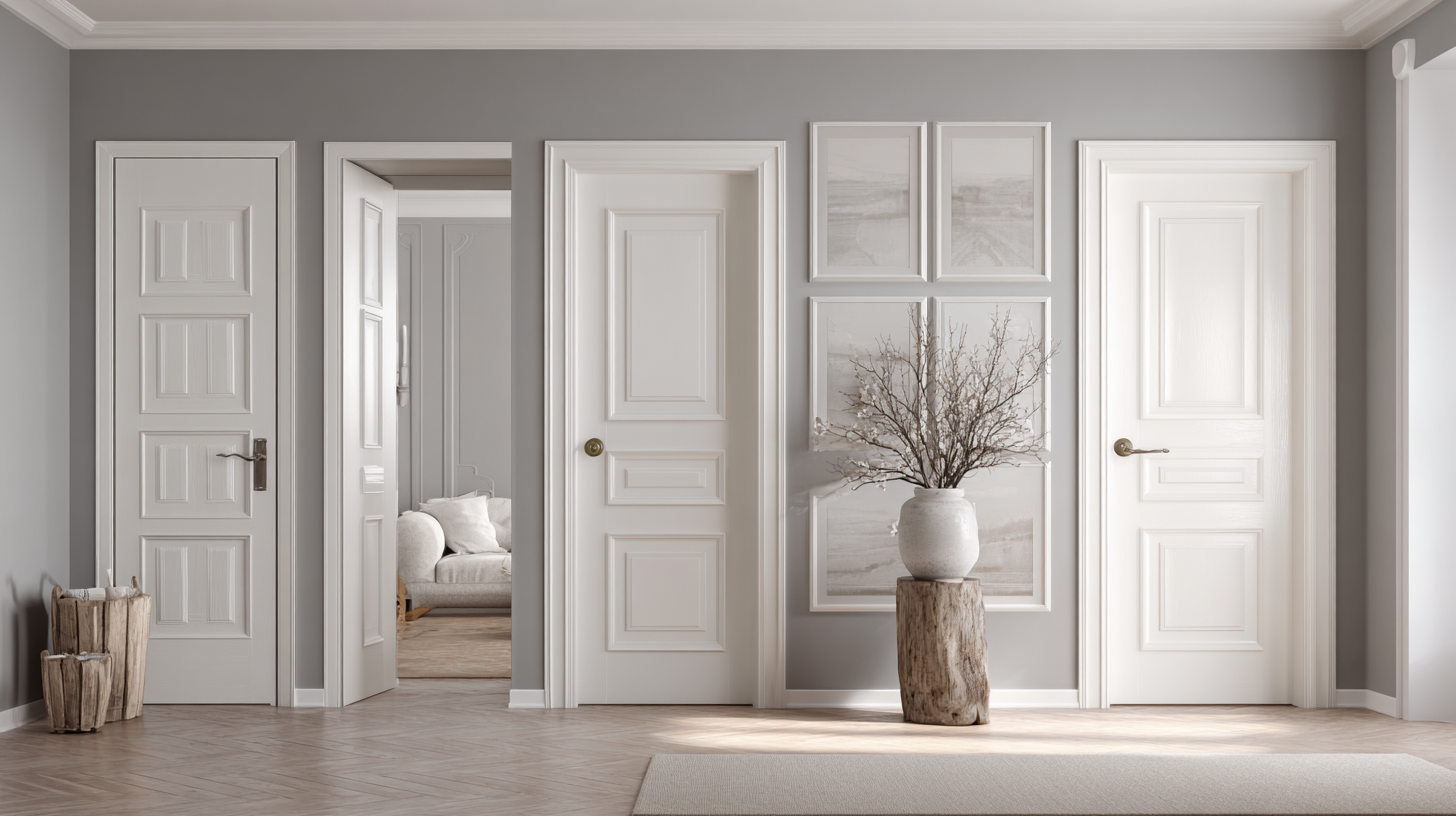
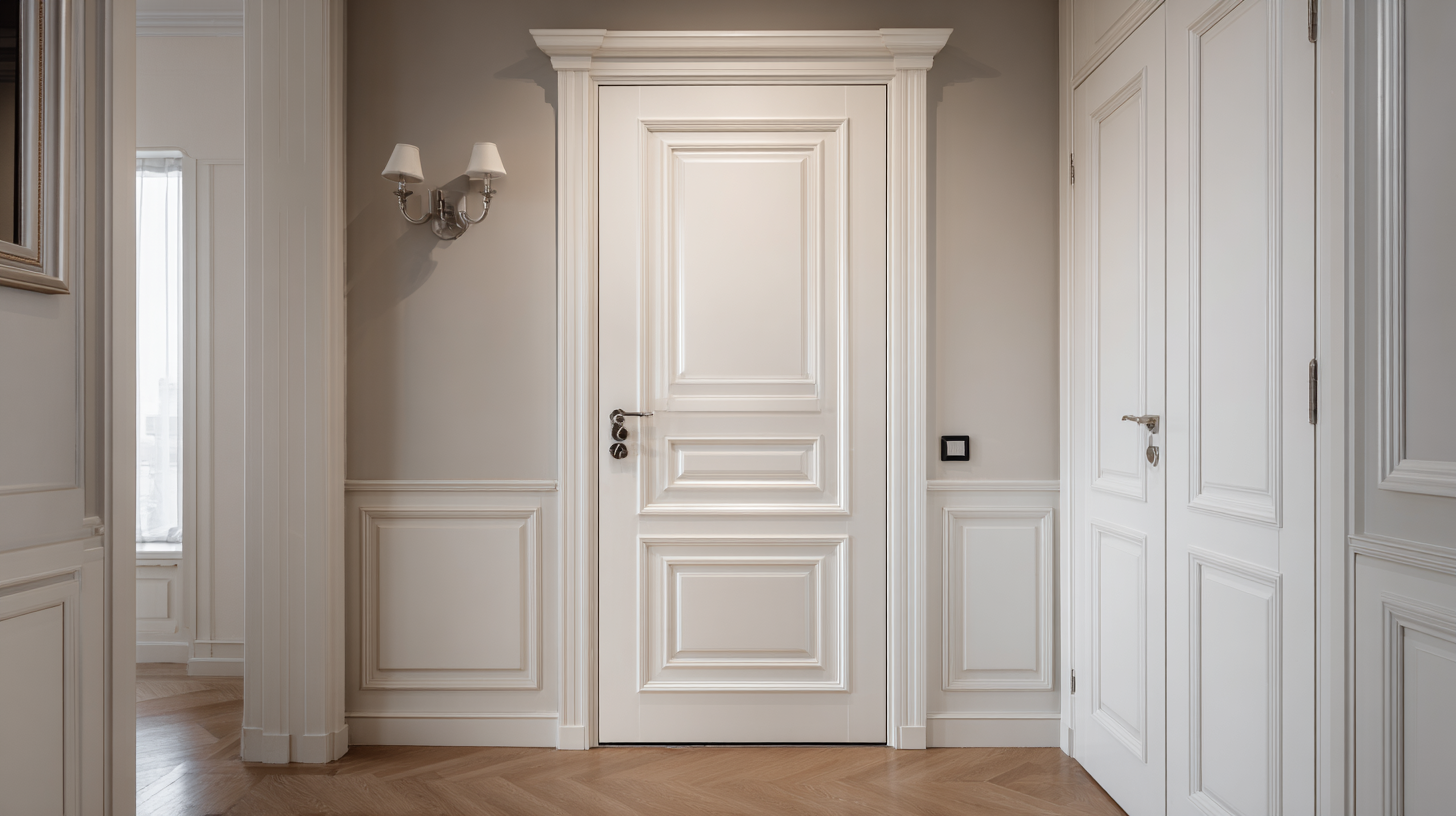
When choosing the perfect panel doors for your home, understanding the different styles, materials, and uses is crucial. Panel doors come in various designs, including flat panels, raised panels, and recessed panels, each offering a unique aesthetic that can enhance the overall look of your space. Recent trends indicate that natural materials and textured finishes are increasingly popular, fitting well within modern design philosophies. The market for wooden interior doors was valued at over USD 40.5 billion in 2024, with an expected annual growth rate of 5% through 2034, showcasing the enduring appeal of wood in interior design.
In addition to traditional panel doors, innovative designs like DIY interior Dutch doors are gaining traction, allowing homeowners to create functional spaces that accommodate pets and children while maintaining an open feel. This versatile door style exemplifies the blend of practicality and style that modern homeowners seek. Furthermore, designers are now favoring specific interior door colors for 2025, indicating a shift towards more personalized choices. Whether opting for striking hues or classic tones, the choice of door color can significantly affect the atmosphere of a room.
The Types of Panel Doors and Their Popularity
Key Measurements: How to Accurately Determine the Right Size for Your Panel Doors
When selecting panel doors for your home, obtaining the right dimensions is crucial for achieving both functionality and aesthetic appeal. According to the Home Improvement Research Institute, incorrect sizing is one of the top reasons homeowners face installation complications, leading to increased costs and time delays. Generally, standard interior doors are measured at 80 inches in height and 24 to 36 inches in width. However, customizing your door dimensions can offer a unique flair that fits your specific space.
Tips: To ensure accuracy in measurement, always use a reliable tape measure and check dimensions at multiple points, as the frame might not be perfectly square. Additionally, allow for a half-inch clearance at the top of the door for proper air circulation, especially in humid climates.
When measuring the height, consider the floor finish; the new flooring can affect the door’s bottom clearance. A report by the National Association of Home Builders suggests that aligning the door with existing baseboards enhances the overall look of your room. Before you finalize your choice, it can be helpful to mock up the door dimensions with painter’s tape to visualize how it fits into your space.
Energy Efficiency and Insulation: Choosing Panel Doors that Optimize Your Home’s Thermal Performance
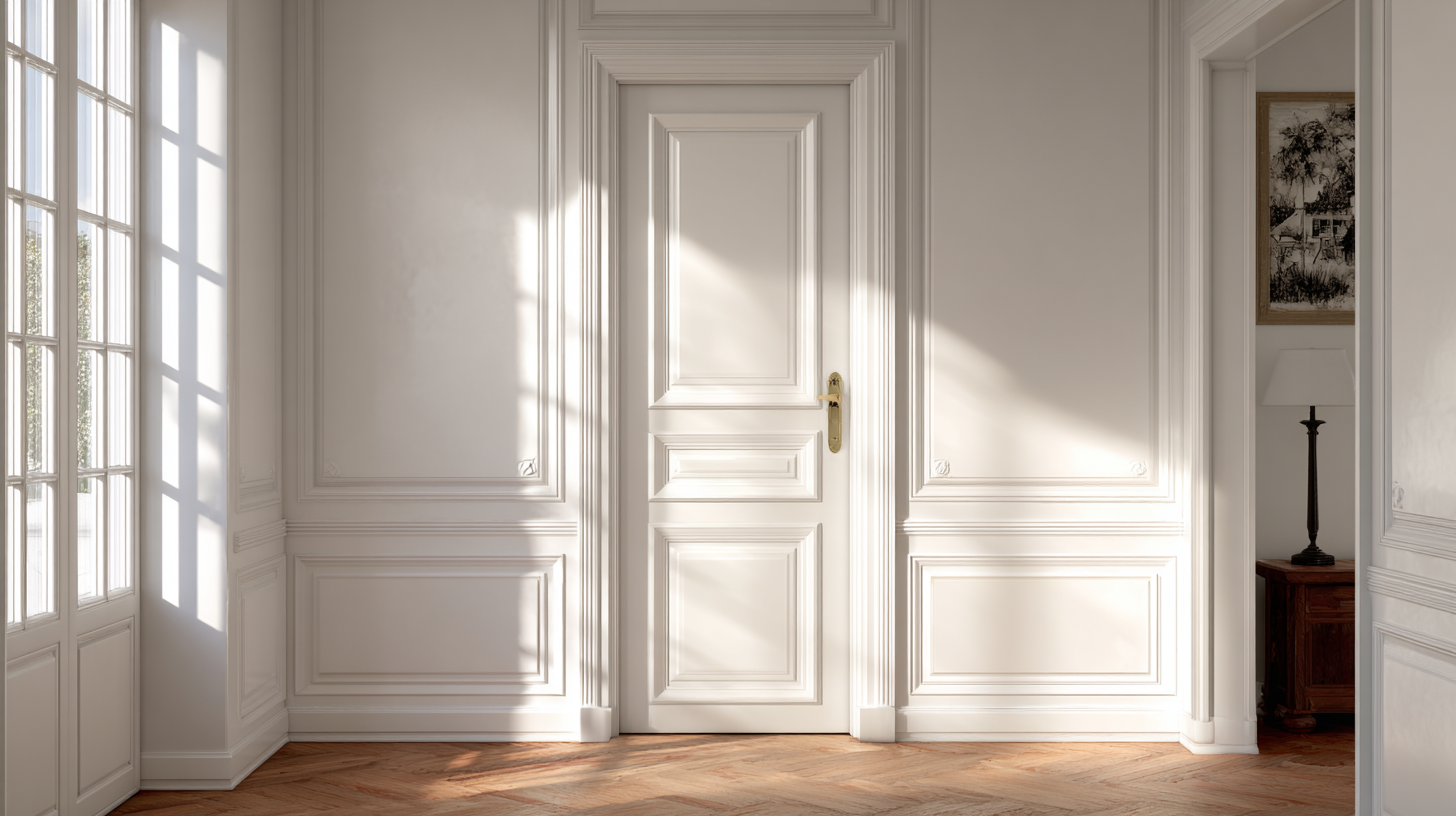
When selecting panel doors for your home, one of the critical aspects to consider is their energy efficiency and insulation properties. Quality panel doors can significantly enhance your home's thermal performance, helping to maintain a comfortable indoor climate while reducing heating and cooling costs. Insulation plays a vital role in resisting heat flow, which is essential for energy conservation and lowering your monthly energy bills.
Tips: When choosing panel doors, look for those with high insulation values, typically measured by their R-value. A higher R-value indicates better insulation performance. Additionally, consider the material of the door; solid wood and fiberglass doors generally offer superior insulation compared to hollow-core options.
Investing in energy-efficient panel doors is not just about comfort; it also reflects a commitment to eco-friendly living. Options like thermal curtains can further enhance your home's efficiency by adding an extra layer of insulation. Make sure to check for certifications that denote energy efficiency, as this can guide your choice in finding doors that support a sustainable and cost-effective home environment.
Aesthetic Appeal: Tips for Selecting Panel Doors that Complement Your Home’s Interior Design
When selecting panel doors that enhance your home’s interior design, aesthetic appeal should be a key focus. Panel doors are not only functional but also serve as a canvas for expressing style. According to the American Institute of Architects, interior door design is increasingly prioritized in residential projects, with over 70% of homeowners emphasizing the importance of doors in their overall design scheme. This data indicates a growing recognition of doors as focal points in homes, highlighting the need for careful selection to ensure they complement existing décor.
To achieve a harmonious look, it's essential to consider the material and style of the panel doors. For instance, solid wood doors are favored for their durability and classic appearance, while hollow core options are often chosen for modern aesthetics and affordability. A report from the Door and Window Manufacturers Association notes that 60% of consumers prefer traditional styles, such as raised panel designs, which can evoke a sense of warmth and timelessness in a space. Additionally, color choices should reflect the overall palette of your interior. Soft neutrals can seamlessly blend, while bold colors can express individuality and energy. Ultimately, carefully selecting panel doors tailored to your home’s design not only elevates the space but also enhances its value.
Cost vs. Quality: Analyzing Average Prices and Durability of Various Panel Door Options
When selecting panel doors for your home, understanding the balance between cost and quality is essential. According to a report by the National Association of Home Builders (NAHB), the average cost of interior panel doors ranges from $150 to $500 per unit, depending on factors such as material and design complexity. For instance, solid wood doors may offer unmatched durability and aesthetic appeal, but they typically come with a hefty price tag, averaging around $300 to $800.
In contrast, hollow-core doors, made from less durable materials such as MDF or particleboard, provide a more budget-friendly option, priced between $50 and $150, making them ideal for areas that don’t require high durability.
However, investing in higher-quality doors can pay off in the long run. According to a study by Remodeling Magazine, homeowners often recoup up to 70% of their investment in solid wood doors upon resale. Additionally, quality doors generally offer better insulation and soundproofing qualities, enhancing the comfort of your home. As per a survey conducted by Door and Window Manufacturer, high-quality panel doors can last over 20 years with proper maintenance, while cheaper alternatives may need replacement within a decade. Therefore, weighing the initial investment against long-term durability and resale value is crucial when selecting the ideal panel doors for your living space.