How to Choose the Right Butterfly Valve for Your Needs?
Choosing the right Butterfly Valve can be a complex task. As industry expert Dr. Jane Williams states, “Selecting the correct butterfly valve is crucial for optimal performance.” Butterfly valves play a vital role in various applications, from water systems to gas management. They must match the specific needs of the system they serve.
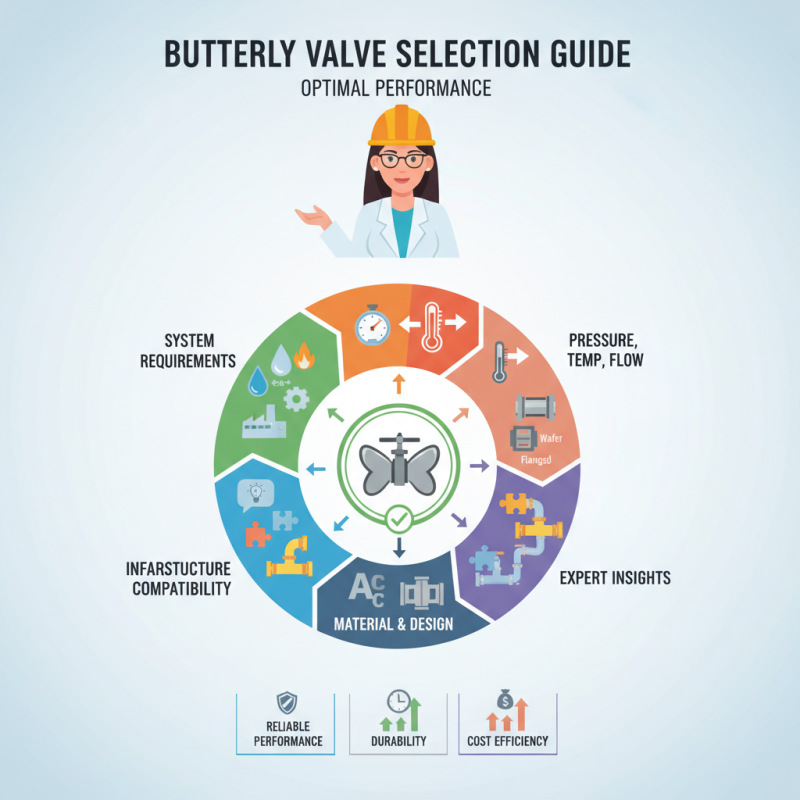
Understanding the different materials and designs available can be overwhelming. Factors like pressure, temperature, and flow conditions should be carefully considered. Assessing your unique requirements will help narrow down your options. Often, people overlook the importance of compatibility with existing infrastructure. This can lead to inefficiencies and costly mistakes.
In a market filled with choices, it's easy to make errors in judgment. Feedback from experienced users is invaluable. Each project can present unique challenges that impact your choice of butterfly valve. Taking the time to analyze these elements will ensure reliable performance and durability.
Understanding Butterfly Valves: Types and Applications
Butterfly valves are essential in various industries, known for their simplicity and efficiency. These valves function by rotating a disc to control fluid flow. Understanding the types and applications of butterfly valves helps in selecting the right one for your needs. According to a report by Research and Markets, the global butterfly valve market is projected to reach $8 billion by 2025, underscoring their demand.
There are three primary types of butterfly valves: concentric, eccentric, and double eccentric. Concentric valves are commonly used in water and wastewater management. They offer good sealing properties and are cost-effective. Eccentric valves are suited for higher pressure and temperature applications, often found in the oil and gas industry. They provide better flow control but may require more careful maintenance. Double eccentric valves are ideal for critical applications in power plants and chemical industries, where zero leakage is crucial.
The choice of materials is another vital factor. Common materials include cast iron, stainless steel, and plastic. Each material's suitability depends on the operating environment and the type of fluid. A report from the Valve Manufacturers Association indicates that improper selection can lead to valve failure and costly repairs. Thus, consulting with industry experts can significantly improve decision-making. While the variety of options is beneficial, it can also lead to confusion, requiring careful consideration and, at times, trial and error.
Types of Butterfly Valves and Their Applications
Key Factors to Consider When Selecting a Butterfly Valve
When selecting a butterfly valve, several key factors come into play. First, consider the application type. Different environments demand specific materials. For instance, a study by the Valve Manufacturers Association reports that nearly 30% of valve failures stem from corrosion. Matching materials to the media ensures longevity and reliability.
Next, focus on the size and pressure rating of the valve. Accurate sizing is crucial. An improperly sized valve can lead to flow issues, causing inefficiencies in systems. According to industry data, up to 20% of energy losses in fluid systems result from improper valve sizing. Ensure the pressure rating aligns with the system's operational conditions.
**Tips:** Evaluate the environmental conditions. High temperatures or aggressive chemicals may require specialized coatings. Always consult with experts to verify compatibility.
Lastly, consider the valve's actuation method. Manual, electric, or pneumatic options all have unique benefits. Assessing the operational ease can prevent future complications. Experts suggest reviewing manufacturer's specifications for reliable performance data before making a choice.
**Tip:** Engage in discussions with industry peers to gather insights on performance and maintenance experiences. It adds depth to your decision-making process.
Material Selection for Durability and Compatibility
When selecting a butterfly valve, material choice is critical for both durability and compatibility. The valve body must resist corrosion, especially in harsh environments. According to industry reports, nearly 30% of valve failures are due to material incompatibility with the process fluid. For instance, using stainless steel in acidic environments can prevent early degradation while ensuring longevity.
Moreover, elastomers used in seals play a vital role in performance. PVC, EPDM, and fluoropolymer materials are frequently cited in studies for their effectiveness. However, incorrect elastomer selection can lead to leaks or premature failures. A report by the Fluid Control Institute highlighted that about 25% of failures are linked to seal material mismatches.
It’s essential to weigh both chemical properties and physical demands. Many engineers overlook the importance of thermal stability. This aspect alone can impact the valve's performance in extreme temperatures. Understanding the service conditions is crucial to ensure reliable operation. Even seasoned professionals sometimes misjudge these factors, leading to costly replacements.
How to Choose the Right Butterfly Valve for Your Needs? - Material Selection for Durability and Compatibility
| Valve Type | Material | Temperature Range (°C) | Pressure Rating (psi) | Applications |
| Lug Butterfly Valve | Cast Iron | -10 to 150 | 150 | Water, Wastewater |
| Wafer Butterfly Valve | Stainless Steel | -40 to 180 | 300 | Food Processing, Chemicals |
| Double Flanged Butterfly Valve | Ductile Iron | -20 to 120 | 150 | HVAC, Plumbing |
| Pneumatic Butterfly Valve | PVC | -10 to 60 | 100 | Corrosive Fluids |
| Electric Butterfly Valve | Bronze | -20 to 200 | 250 | Oil, Gas |
Sizing and Pressure Ratings for Optimal Performance
Choosing the right butterfly valve requires attention to sizing and pressure ratings. Proper sizing ensures optimal flow and minimizes turbulence. For example, an oversized valve can lead to =leakage, while an undersized valve restricts flow. Always measure the pipeline diameter accurately. Calculate the flow rate to determine the right valve size based on your fluid dynamics requirements.
Pressure ratings are crucial for valve performance. They indicate the maximum pressure the valve can handle. If the pressure exceeds these ratings, failures may occur, leading to costly repairs. Understanding these ratings is essential. Consider the working environment as well. Are there fluctuations in pressure? Is the media corrosive? These factors influence the valve selection process.
When selecting a butterfly valve, reflect on your specific application needs. Oversights in calculations can have serious consequences. Ensure you consult technical specifications thoroughly. Engaging with industry professionals for insights may also improve your decision-making process. This careful evaluation can lead to better efficiency and system reliability.
Maintenance and Operational Considerations for Butterfly Valves
When considering maintenance and operational aspects of butterfly valves, a few key factors emerge. Regular inspections are essential. Look for signs of wear, corrosion, or leakage. A small adjustment can make a significant difference. Often, the seating surfaces may need cleaning. This simple action can prevent potential issues.
Proper installation plays a critical role in performance. Ensure alignment is correct to avoid additional stress on the valve. Misalignment can lead to premature failure. Lubrication of moving parts is equally important. Use the right type of lubricant to avoid incompatibility problems. This can prolong the life of the valve, ensuring efficient operation over time.
User feedback can guide maintenance efforts. Some users report issues with stiffness over time. Addressing these concerns early can save money and improve function. Training staff on proper handling will reduce accidental damage. Regularly scheduled maintenance checks promote reliability.
Creating a maintenance log can help track performance changes. This proactive approach can enhance the overall lifespan of your butterfly valves.