How to Choose the Right Door Frames for Your Home?
Choosing the right door frames is crucial for your home's aesthetic and functionality. Door frames not only support the doors but also enhance the visual appeal of your space. With various styles, materials, and sizes available, it can be overwhelming to make a decision.
Consider your home’s architecture. Traditional homes may require wooden frames, while modern spaces may benefit from sleek metal options. The right door frames should complement your overall design. Reflecting on your budget is essential; sturdy frames can vary significantly in price.
Think about maintenance as well. Some materials need more care than others. Identifying your priorities helps narrow down choices. It’s not just about style; practicality matters too. Mistakes in selection can lead to costly renovations later. Take time to evaluate your needs carefully. Balancing aesthetics with durability ensures a satisfying result.
Understanding Different Types of Door Frames for Home Use
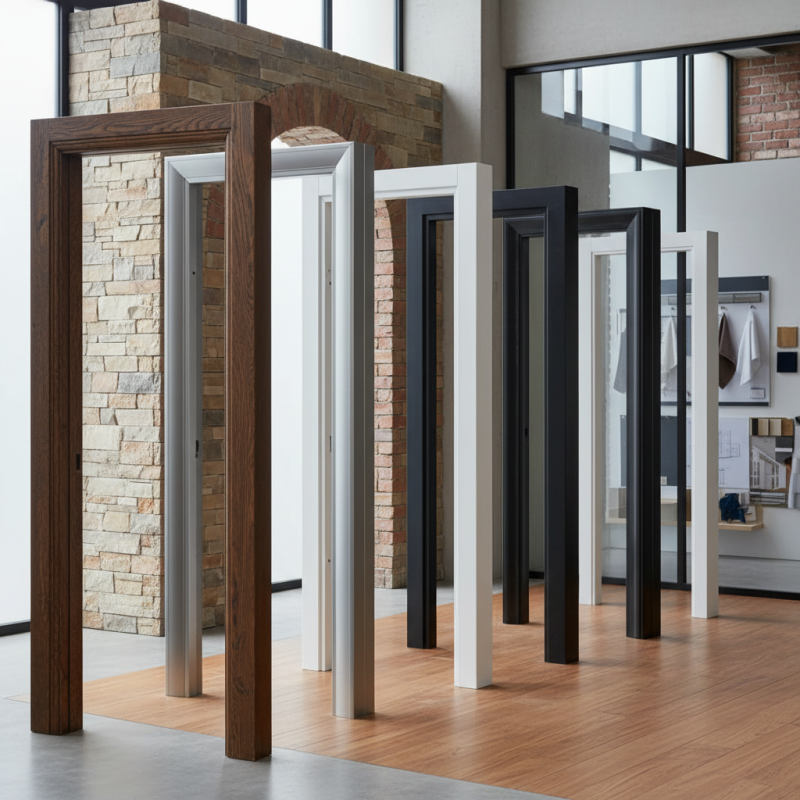
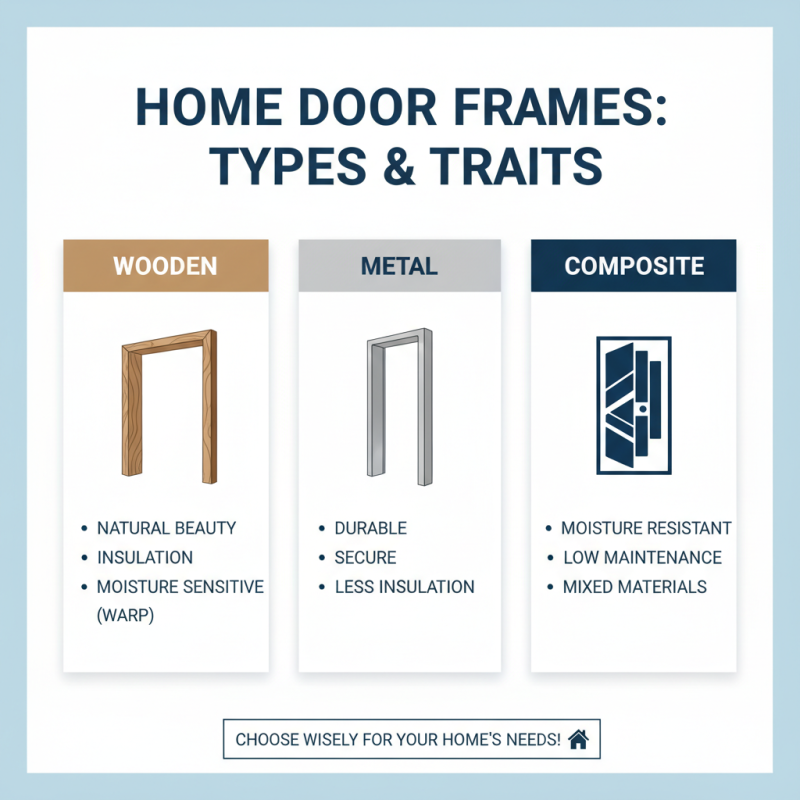
When choosing door frames, it’s essential to understand the different types available. Generally, there are wooden, metal, and composite frames. Wooden frames are popular due to their natural beauty. They provide excellent insulation but can warp over time if exposed to moisture. This is a crucial factor to consider in homes with high humidity. Proper maintenance is necessary to ensure longevity.
Metal frames are another option. These frames are durable and resistant to damage. They work well in contemporary designs. However, they may not provide the same level of insulation as wood. If your home values energy efficiency, this is a point to note. Composite frames combine materials for strength and insulation. They often mimic the look of wood without the drawbacks. Yet, some may find them less appealing in terms of aesthetics.
Every door frame type has strengths and weaknesses. Selecting the right frame hinges on your home’s environment and design preferences. Consider practicality alongside appearance. A beautiful frame may require special care. Ensure it fits your lifestyle and maintenance capabilities. Reflect on the balance between form and function.
Factors to Consider When Choosing Door Frames for Your Space
Choosing the right door frames for your home requires careful consideration of various factors.
The door frame's material significantly impacts durability and aesthetics.
Wooden frames offer warmth and charm, but they can warp over time. Metal frames are sturdy but may not suit all decor styles.
Another key factor is the size of the frame. A standard frame fits most doors,
but custom sizes may be necessary for unique spaces. Make sure to measure the height and width accurately before purchasing.
A frame that’s too small or too large can spoil the door's look and functionality.
Tips: Consider the overall style of your home when selecting door frames.
A modern space may benefit from sleek, minimalist designs. In contrast, a traditional home could incorporate more ornate options.
Pay attention to details like trim and finish; these can elevate even simple frames.
Finally, think about how the frames will interact with paint or wallpaper.
A bold color choice can make a frame stand out but may require more maintenance.
Take your time with this decision, as the wrong choice can lead to regrets later.
Ensure you have a clear vision of your home's design before making a final selection.
Materials and Durability: Selecting the Best Frame for Your Needs
Choosing the right door frames involves understanding material options and their durability.
Wood, metal, and fiberglass are common choices. Each material has unique benefits and drawbacks.
For instance, wood offers natural beauty but may warp in humid conditions.
Metal frames provide strength but can dent easily. Fiberglass is resistant to weather but may lack traditional appeal.
Tips: Consider how each material fits your climate. In a humid area, a metal or fiberglass frame may outperform wood.
If aesthetics matter, choose high-quality wood for elegance.
Durability is key when selecting a door frame.
Look for solid core frames, as they tend to last longer. In areas with heavy traffic, reinforced frames are essential.
Evaluate your lifestyle and usage patterns closely.
Tips: Regular maintenance prolongs frame life. Painting or sealing wood frames can protect them from moisture.
Inspect metal frames for rust, especially in coastal areas.
Investing in the right materials saves money in the long run.
Aesthetic Considerations: Style and Design of Door Frames
When choosing door frames for your home, aesthetics play a crucial role. The style and design of door frames can significantly enhance your interior. According to industry data, typically 70% of homeowners consider aesthetics as a key factor in their choice.
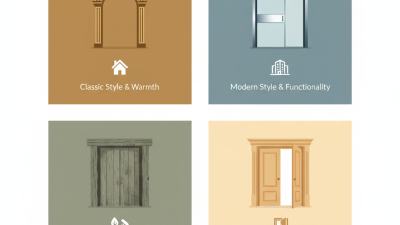
Consider the architectural style of your home. Traditional homes often benefit from classic wooden frames, showcasing intricate moldings. Contemporary spaces may lean toward sleek, minimalist designs. A study by Home Design Institute reveals that 65% of modern homeowners opt for simple lines to evoke a chic atmosphere.
Tip: Choose neutral colors for door frames to complement various decors. This flexibility allows for easier updates in the future, should your design tastes shift. However, bold colors can also add a unique touch to your space. Reflect on how these choices will age over time. Trends can change quickly, so think about the longevity of your door frame styles.
Using textures can also make a difference. Think about combining smooth and rough finishes to create visual interest. However, be mindful not to overcrowd your design. Balance is essential. Texture should support the overall style, rather than overwhelm it.
Door Frame Styles Popularity in Different Home Designs
Installation and Maintenance Tips for Door Frames in Your Home
When installing door frames, proper alignment is crucial. Any misalignment can lead to gaps that compromise energy efficiency. Use a level to ensure frames sit straight. Additionally, check for square corners during the fitting process. This step may seem small, but it greatly influences door functionality.
Tip: Always measure twice before cutting. This mistake can be costly. Use a saw that suits the material of your door frame. For wooden frames, a miter saw works well. With metal frames, a hacksaw is ideal.
Maintaining door frames is just as vital as installation. Regularly inspect for signs of wear. Check for loose screws or wood rot. Repainting or refinishing frames can extend their life. Consider the climate in your region. Humidity can affect materials over time.
Tip: Lubricate hinges every few months. This minimizes squeaks and keeps doors opening smoothly. Keep an eye out for any swelling or gaps that may appear. Addressing these issues early can save you trouble later.
How to Choose the Right Door Frames for Your Home? - Installation and Maintenance Tips for Door Frames in Your Home
| Dimension |
Material |
Insulation |
Style |
Maintenance Tips |
| 80" x 36" |
Wood |
Good |
Classic |
Regular painting and sealing |
| 80" x 32" |
Metal |
Fair |
Contemporary |
Clean with mild detergent |
| 84" x 36" |
Fiberglass |
Excellent |
Modern |
Minimal maintenance required |
| 80" x 30" |
Vinyl |
Good |
Traditional |
Routine cleaning with a damp cloth |