Top 10 Clean Room Wall Panels for Optimal Contamination Control
In industries where contamination control is paramount, the importance of proper clean room wall panels cannot be overstated. These specialized panels play a critical role in maintaining the stringent environmental conditions required for the production and processing of sensitive materials. From pharmaceuticals to semiconductor manufacturing, the right clean room wall panels not only help to minimize the introduction of contaminants but also ensure that the cleanroom environment meets the necessary regulatory standards.
When selecting clean room wall panels, various factors such as material composition, surface finish, and installation methods must be considered. The performance of these panels can significantly impact the effectiveness of the cleanroom. For example, different materials offer varying levels of durability, ease of cleaning, and resistance to chemicals, which can influence the longevity and maintenance costs associated with cleanroom operations.
In this article, we will explore the top 10 clean room wall panels that are designed for optimal contamination control. By examining their features, benefits, and applications, this guide aims to provide valuable insights for facility managers and engineers seeking the best solutions to enhance their cleanroom environments while ensuring compliance with industry standards.
Overview of Clean Room Requirements and Classification Standards
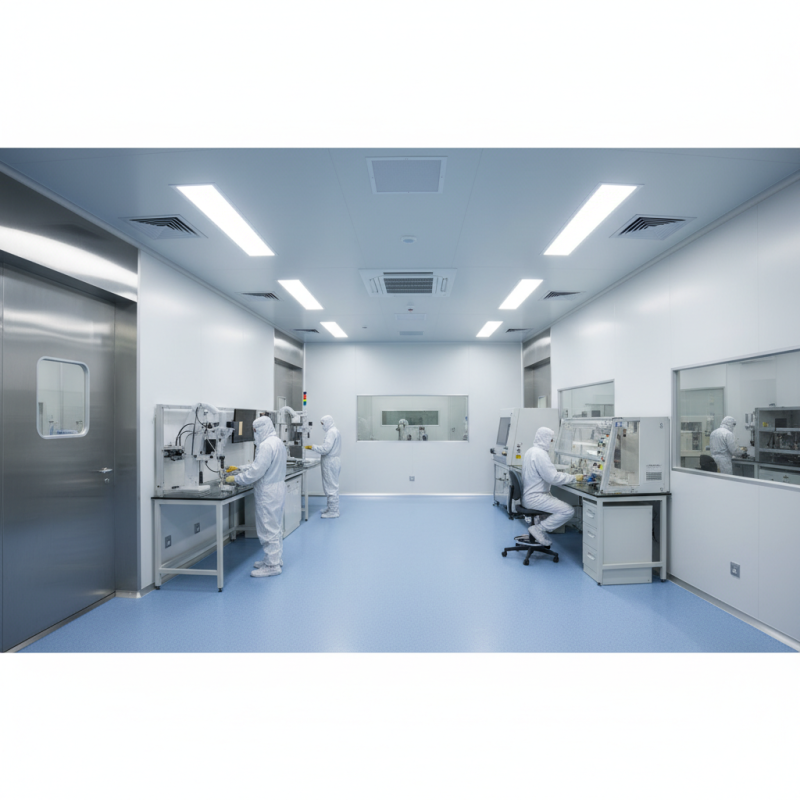
Clean rooms are essential in industries where even minute contaminants can compromise product integrity, such as pharmaceuticals, biotechnology, and semiconductor manufacturing. The cleanliness of a clean room is typically classified using the ISO 14644-1 standard, which categorizes air cleanliness based on the number of particles per cubic meter at specific sizes. For instance, an ISO Class 5 clean room allows a maximum of 3,520 particles of size 0.5 micrometers, emphasizing the level of precision and control required for operations in such controlled environments.
The design and construction of clean room wall panels play a significant role in maintaining these stringent cleanliness standards. According to a recent report by the International Society for Contamination Control, approximately 30% of all contamination incidents in clean rooms can be attributed to the surfaces and structures within the room, including wall panels. To mitigate this risk, wall panels must be made from non-porous, easy-to-clean materials that can withstand rigorous cleaning protocols without degrading. The right selection of wall panels not only impacts contamination control but also contributes to the overall performance and compliance of the clean room environment, further illustrating the critical nature of stringent adherence to classification standards.
Key Materials Used in Clean Room Wall Panels for Contamination Control
In the realm of clean room construction, the choice of wall panel materials plays a critical role in ensuring effective contamination control. One of the most prevalent materials used is high-density polyethylene (HDPE), which offers excellent chemical resistance and is easy to clean. According to industry reports, HDPE panels can reduce airborne particulate levels significantly, with some studies indicating a drop of up to 90% in contamination levels when compared to traditional materials. This makes them a staple in sectors such as pharmaceuticals and biotechnology, where maintaining stringent cleanliness standards is paramount.
Another key material is epoxy-coated steel, known for its durability and resistance to corrosion. Research published by the Cleanroom Technology Review highlights that epoxy-coated panels can withstand harsh cleaning agents and repeated sterilization cycles without compromising structural integrity. This capability makes them particularly useful in environments that require rigorous maintenance. In addition, fiberglass reinforced panels (FRP) are gaining traction due to their lightweight properties and resilience against moisture, helping to minimize the growth of mold and bacteria, which is crucial in maintaining the required cleanliness levels in controlled environments. With the right selection of materials, clean room wall panels can effectively contribute to a safe and contamination-free workspace.
Top 10 Clean Room Wall Panels for Optimal Contamination Control
| Material |
Properties |
Applications |
Contamination Control Level |
| Polypropylene |
Chemical resistant, lightweight |
Pharmaceutical, semiconductor |
ISO Class 5 |
| Fiberglass |
Non-porous, fire resistant |
Food processing, biotechnology |
ISO Class 7 |
| Aluminum |
Corrosion resistant, lightweight |
Cleanrooms, laboratories |
ISO Class 6 |
| Stainless Steel |
Durable, hygienic |
Pharmaceutical, medical |
ISO Class 5 |
| HPL (High-Pressure Laminate) |
Scrub resistant, moisture resistant |
Research labs, healthcare |
ISO Class 7 |
| PVC |
Lightweight, affordable |
Cleanrooms, industrial applications |
ISO Class 8 |
| Epoxy Coated Steel |
Strong, easy to clean |
Laboratories, pharmaceuticals |
ISO Class 5 |
| Acoustic Panels |
Sound absorbing, fiberglass |
Cleanrooms with noise concerns |
ISO Class 6 |
| Mineral Fiber |
Thermal resistant, lightweight |
Cold storage, food industry |
ISO Class 8 |
| Polystyrene |
Inexpensive, easy to install |
General use, warehouses |
ISO Class 9 |
Top 10 Clean Room Wall Panels: Features and Benefits
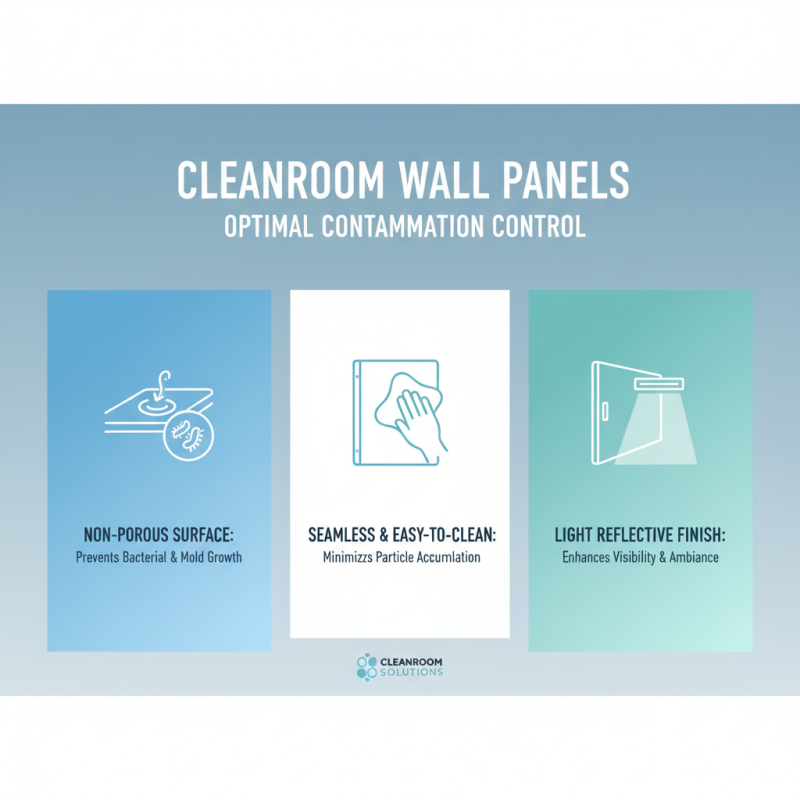
When it comes to maintaining a cleanroom environment, wall panels play a crucial role in optimal contamination control. Effective cleanroom wall panels are designed to minimize particle accumulation while providing a seamless surface that is easy to clean. Among their features, a non-porous surface is paramount, as it prevents the growth of bacteria and mold, ensuring a hygienic space for sensitive manufacturing processes. Additionally, many panels come with surface finishes that enhance light reflectivity, contributing to better visibility and overall ambiance within the cleanroom.
The choice of materials for cleanroom wall panels also significantly impacts their functionality. High-density polyethylene and other composite materials not only offer durability but also resist chemical exposure, making them ideal for various cleanroom classifications. Many wall panels are engineered to endure frequent sanitization without degrading, which is essential in laboratories and pharmaceutical settings. Moreover, installation flexibility is another benefit, as panels can be configured in various dimensions to suit unique room layouts while maintaining the integrity of the cleanroom standards. With a focus on durability, ease of cleaning, and customization, these panels are vital for achieving compliance with stringent cleanroom regulations.
Comparative Analysis of Clean Room Wall Panel Brands and Performance
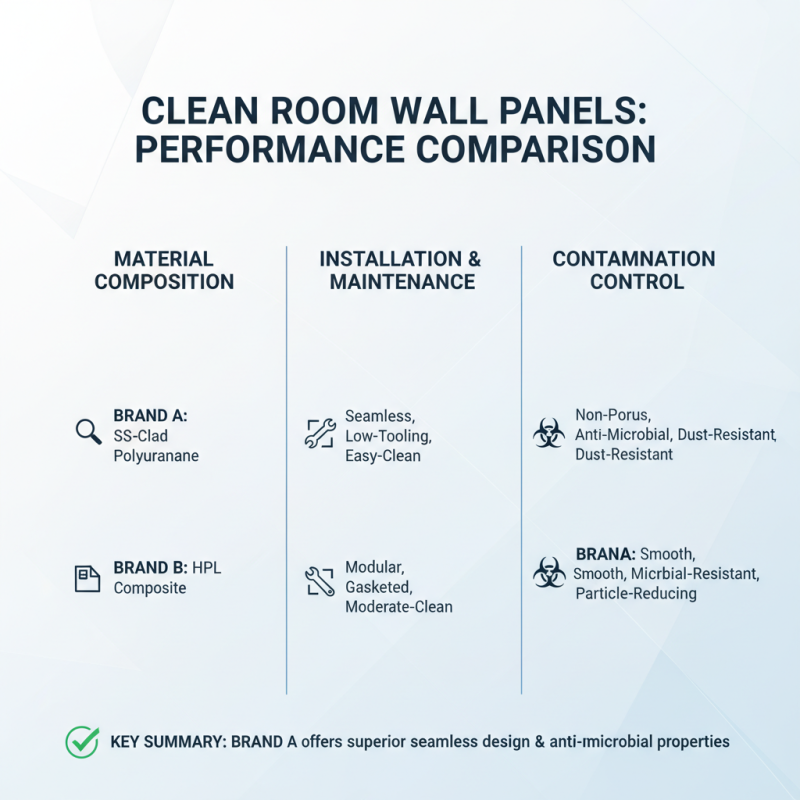
When selecting clean room wall panels, understanding the performance of different brands is essential for effective contamination control. Many factors play a crucial role, including material composition, ease of installation, and maintenance requirements. The top-performing options typically feature seamless designs to minimize dust accumulation and are made from non-porous materials that resist microbial growth. Conducting a comparative analysis of these features can significantly aid in decision-making, especially for industries where cleanliness is paramount.
Tips for choosing the right clean room wall panels include considering the operational environment. For facilities that require frequent cleaning, panels with smooth surfaces can save time and labor costs. Additionally, evaluating the panels’ resistance to common chemicals and pollutants is vital. Opting for options that can withstand your specific cleanroom protocols will ensure durability and maintain cleanliness over time. Lastly, don’t overlook the importance of thermal performance; panels that contribute to temperature and humidity control can enhance the overall efficiency of your clean room.
In your analysis, always consider the longevity and warranty of the wall panels. A long warranty is often indicative of the manufacturer’s confidence in their product’s performance. Furthermore, engaging with suppliers who can provide case studies or references from similar facilities can offer valuable insights into the long-term viability and effectiveness of their products in real-world applications.
Installation and Maintenance Tips for Clean Room Wall Panels
Clean room wall panels serve as a critical component in maintaining the sterile environments required in various industries, including pharmaceuticals, biotechnology, and electronics manufacturing. Proper installation and maintenance of these panels can significantly enhance contamination control, ensuring compliance with stringent industry standards. According to a report by the International Society for Pharmaceutical Engineering, the efficacy of clean room systems can decrease by up to 30% if wall panels are not installed correctly or maintained regularly.
When installing clean room wall panels, it’s essential to ensure a proper seal between panels and flooring to prevent air leaks. Additionally, utilizing non-porous materials can inhibit the growth of bacteria and other contaminants, which is crucial for maintaining a controlled environment. For optimal results, it is advisable to follow guidelines set forth by the Federal Standard 209E, which outlines cleanliness classifications for controlled environments.
Maintenance plays a vital role in extending the life of clean room wall panels. Regular cleaning schedules should involve using appropriate disinfectants that do not compromise the integrity of the panels. Remember, periodic inspections for wear and tear can mitigate future issues, as any chip or crack can serve as a breeding ground for contaminants. Adopting these practices ensures that the clean room environment remains compliant and functional, safeguarding product quality and integrity.