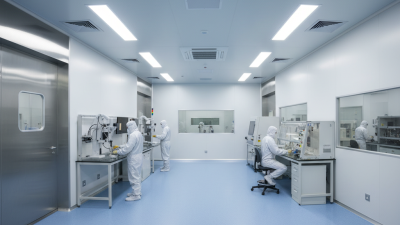
Clean room wall panels play a crucial role in controlled environments. These panels are designed to maintain strict cleanliness levels. They help prevent contamination in sensitive spaces.
In laboratories and manufacturing settings, clean room wall panels form the basis of hygiene. They are often made from smooth, durable materials. This design makes cleaning easier and more effective. However, not all panels are created equal. Some may wear out quickly or fail to meet industry standards. Choosing the right kind is essential.
The importance of these panels can't be overstated. They ensure that products are safe and reliable. Yet, there are challenges. Improper installation can lead to gaps that allow dust or particles to enter. This oversight can compromise the entire clean room. Professionals must pay close attention to detail during selection and installation.

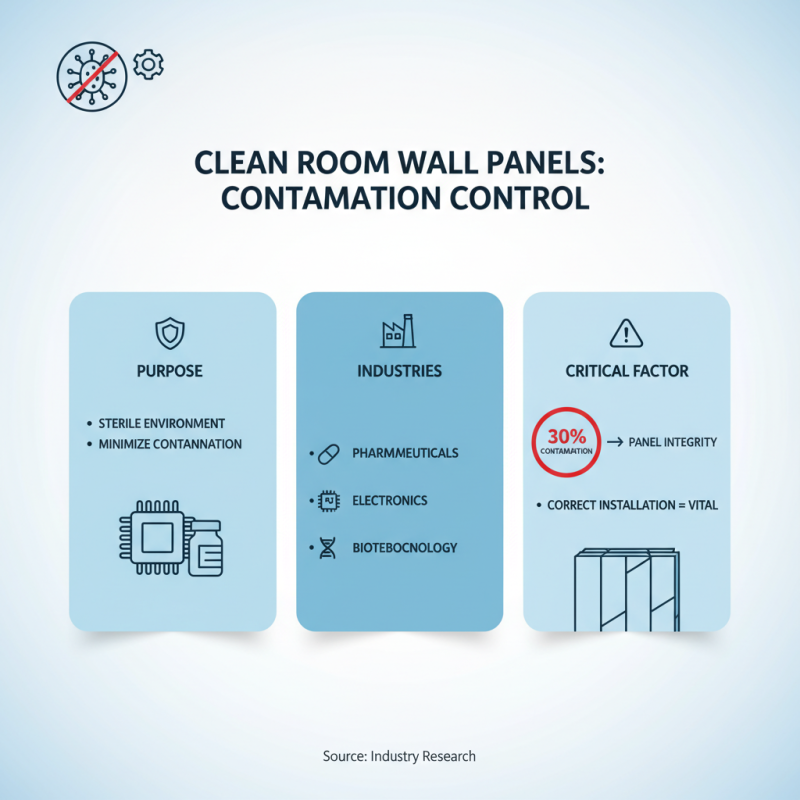
Clean room wall panels play a crucial role in maintaining controlled environments, particularly in industries like pharmaceuticals, electronics, and biotechnology. These panels are designed to minimize contamination and provide a sterile environment. Research indicates that nearly 30% of contamination issues in clean rooms can be traced back to panel integrity. Ensuring that wall panels are installed correctly is vital.
The composition of clean room wall panels is important for their effectiveness. They are often made from materials that are smooth, non-porous, and easy to clean. For instance, fiberglass reinforced plastic (FRP) panels are widely used due to their durability and resistance to chemicals. According to a recent industry report, the global clean room panel market is expected to grow by 5.7% annually, reflecting the increasing need for stringent cleanliness standards.
However, not all clean room wall panels are created equal. Some have poor thermal insulation, which can lead to energy inefficiencies. Regular maintenance and inspection are necessary to identify areas for improvement. While these panels are crucial, their performance can degrade over time. This aspect often requires companies to reassess their panel choices to ensure compliance with strict industry standards.
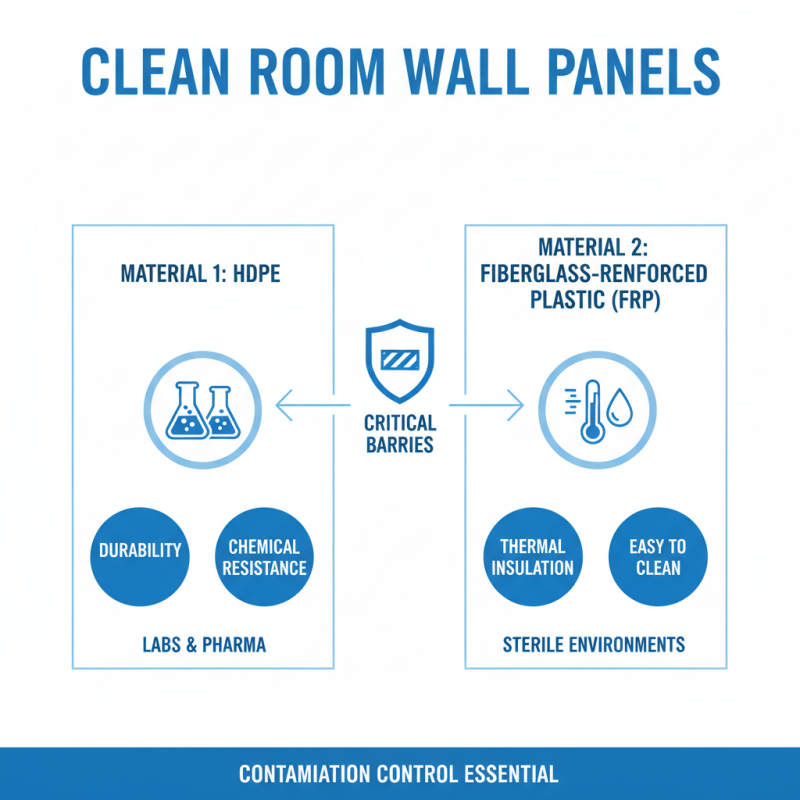
Clean room wall panels serve as critical barriers in environments where contamination control is essential. These panels are made from various materials, each offering unique benefits. For instance, high-density polyethylene (HDPE) is popular due to its durability and resistance to chemicals. This makes it ideal for laboratories and pharmaceutical environments. Additionally, fiberglass-reinforced plastic panels provide excellent thermal insulation and are easy to clean, which is crucial for maintaining sterile conditions.
Another common material is polymer-coated steel. This option is known for its strength and ability to resist corrosion. However, its installation can be challenging and may require skilled labor. Many facilities also use aluminum wall panels, which are lightweight yet robust. They often have a smooth finish, facilitating quick cleaning. Each of these materials has its pros and cons, and institutions must weigh these carefully.
Selecting the right panels is not always straightforward. Issues arise when considering the cost versus long-term benefits. Some materials may be cheaper initially but lead to higher maintenance expenses. Understanding these trade-offs is vital for effective decision-making. Clean room wall panels should not only meet regulatory standards but also fit the specific needs of the facility. Balancing installation ease, durability, and cleanliness will create a more efficient environment.
Clean room wall panels are essential in environments where contamination must be controlled. These panels are often built to strict standards and regulations. Construction of clean room walls requires careful attention to materials. They must be non-porous and easy to clean. This helps maintain a sterile environment.
Standards governing these panels typically include guidelines from organizations like ISO and FDA. Compliance ensures panels meet specific cleanliness levels. Panels should also provide insulation and soundproofing, enhancing the environment’s performance. Ignoring regulations can lead to failures in maintaining a clean room. Such oversights could compromise product quality.
It's vital to regularly evaluate the clean room's conditions. Small inconsistencies may arise over time. Monitoring the integrity of wall panels is crucial. Scratches or degradation can facilitate contamination. Institutions must embrace regular inspections and updates. Reflection on these practices can yield improved results in maintaining clean environments.
Clean room wall panels play a crucial role in maintaining air quality and controlling contamination. These panels are designed for environments where even the smallest particles can impact product quality. Their smooth, non-porous surfaces help minimize dust accumulation. However, the manufacturing of these panels can sometimes introduce impurities. The materials used need careful selection to avoid off-gassing, which can compromise air quality.
Airborne contaminants can severely affect sensitive processes. Wall panels should not just be functional; they need to be easy to clean. Frequent maintenance is essential. Even with high-quality panels, neglect can lead to buildup. Regular inspections can help identify spots where contamination risk is increased. Users should also be aware of panel joints, which may be vulnerable and require additional sealing.
In controlled environments, the color of wall panels may also matter. Lighter colors can improve lighting and visibility, but they may show stains quickly. A balance between aesthetics and practicality is necessary. Ultimately, wall panels are not a fix-all solution. Ongoing monitoring and adjustment are key to creating a truly clean environment.
Clean room wall panels play a crucial role in maintaining the integrity of controlled environments. They create barriers that help regulate factors like dust, temperature, and humidity. This can be costly, but the benefits often outweigh the investments. Enhanced air quality directly impacts productivity and safety.
In a cost-benefit analysis, one should consider initial installation costs against long-term savings. Clean room panels reduce contamination risk. This cuts down on product recall costs and waste. However, maintenance can add to overall expenses over time. Inadequate upkeep can lead to larger issues.
Selecting the right materials is essential. While some options may appear affordable, their durability might be questionable. Low-quality panels could require frequent replacements. This leads to higher costs in the long run. Investing wisely means balancing short-term budgets against future needs. An efficient clean room requires thoughtful planning and decision-making.
| Dimension | Value | Importance | Cost-Benefit Ratio |
|---|---|---|---|
| Material Type | Polypropylene, FRP | Durability and Resistance | High |
| Thickness | 1.5 inches | Insulation Efficiency | Moderate |
| Fire Rating | Class A | Safety Compliance | High |
| Maintenance Frequency | Every 6 months | Operational Efficiency | Low |
| Cost per Panel | $150 | Budget Planning | Moderate |