10 Essential Tips for Choosing the Right Building Panels
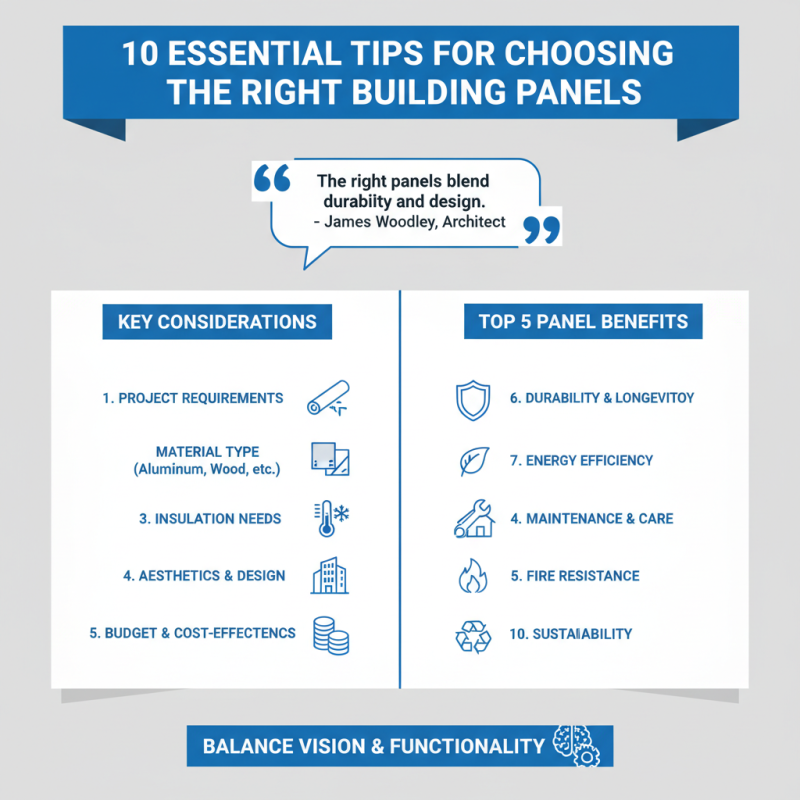
Choosing the right building panels can significantly impact a construction project. Expert architect James Woodley emphasizes, "The right panels blend durability and design." When considering building panels, understanding your project's unique requirements is crucial.
Different materials serve various purposes. Some panels offer insulation, while others prioritize aesthetics. For instance, aluminum panels are lightweight and resistant to corrosion, making them suitable for modern designs. Conversely, wood panels provide warmth and a traditional feel, but they often require more maintenance. These decisions can be daunting.
Misjudging the importance of quality can lead to long-term issues. For example, poor insulation may lead to higher energy costs. It's essential to balance looks and functionality. This reflection helps ensure that your choice of building panels supports both your vision and practical needs.
Understanding the Different Types of Building Panels Available Today
When choosing building panels, it’s crucial to understand the various types available. Each type serves different purposes and has unique properties. For instance, metal panels are known for durability and resistance to harsh weather. They can last for decades with proper care. On the other hand, wood panels offer a natural aesthetic but require regular maintenance to prevent rot.
Another option is insulated panels, which provide excellent thermal performance. They help reduce energy costs in the long run. However, these panels can be more expensive upfront. It’s essential to weigh the long-term savings against initial costs. Additionally, composites combine materials for strength and weight reduction, but they can pose challenges during installation.
When reflecting on your choices, consider the maintenance involved. Each panel type has its ups and downs. Choosing the right panel is not just about today's needs; it's about future implications. Knowing the details can help you avoid potential pitfalls down the road. Take the time to research and deliberate. Making an informed decision can save you time and money later.
Evaluating Structural Performance and Durability for Building Panels
When choosing building panels, evaluating structural performance and durability is crucial. Panels must withstand various conditions like weather changes and mechanical loads. It’s essential to check the material's strength and longevity. A panel that fails can lead to costly repairs.
One tip is to assess the testing standards for materials. Look for panels that have passed rigorous structural tests. This can indicate their reliability. However, don’t be fooled by flashy claims. Sometimes, they lack true quality.
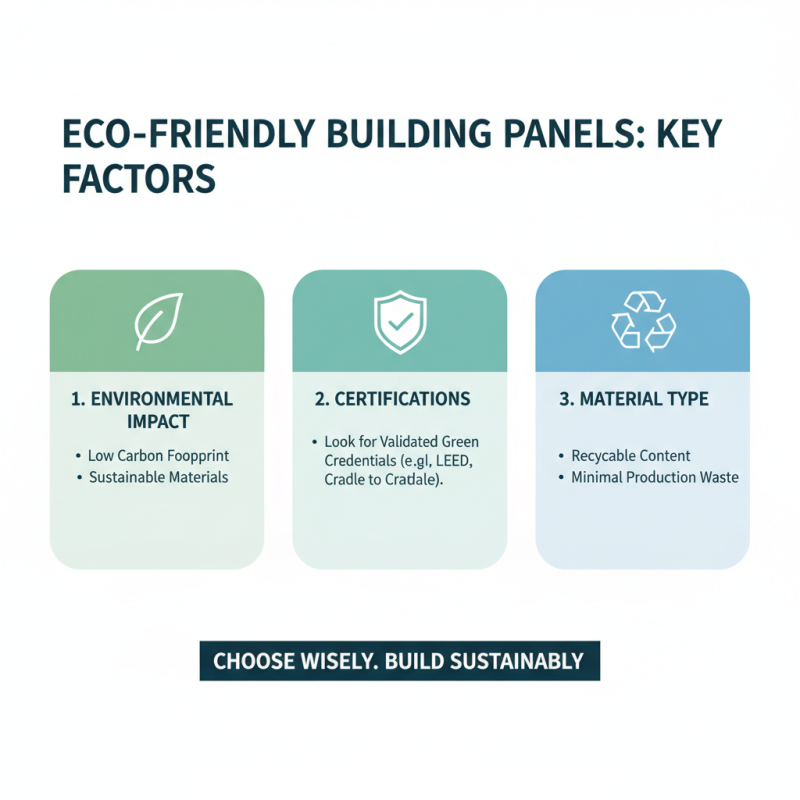
Consider the environmental impact of materials. Durability is not just about lifespan; it’s also about sustainability. Some options may have shorter life spans but less environmental concern. Balance is vital. Finally, consult with professionals. Their insights can guide you. They see things the average person might miss.
Considering Aesthetic Aspects: Colors, Textures, and Designs
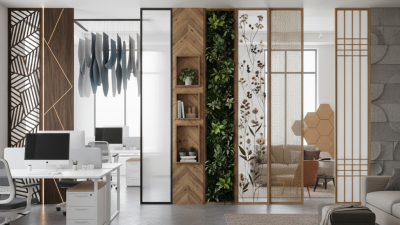
Choosing building panels involves aesthetic considerations.
Colors, textures, and designs can influence a project’s overall appeal. Selecting the right color is crucial.
Light colors can make spaces feel larger and brighter. Dark shades provide warmth and depth.
Think about the surrounding landscape too. The right color can enhance both buildings and nature.
Textures
add another layer of interest.
Smooth panels offer a modern look, while rough textures evoke nature. Mixing different textures can create depth.
However, avoid overdoing it. Too many textures can overwhelm the eye. Designers often reflect on this balance.
Simplicity can sometimes yield the most impactful results.
Designs should align with the intended use of the building. A contemporary space might benefit from bold patterns.
Traditional buildings often shine with classic styles. It’s essential to consider how these choices resonate with the community.
Reflecting local culture can foster connection. Yet, navigating these choices can be challenging.
Not every design choice will suit every vision.
Embrace
imperfection; it can lead to unexpected beauty.
Budgeting: Cost-Effectiveness and Long-Term Investment for Building Panels
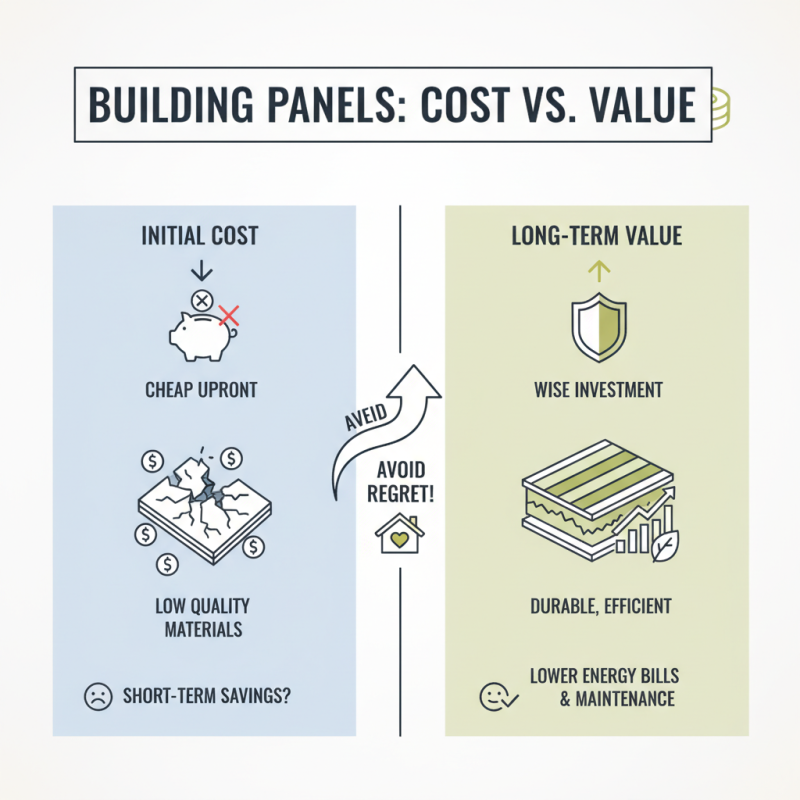
When selecting building panels, budget plays a crucial role. It's important to assess both initial costs and long-term value. Some materials may seem cheap upfront. However, they can lead to higher maintenance costs over time. For instance, opting for insulation panels that deteriorate quickly can increase energy bills. This leads to regret down the line.
Long-term investment is not just about the price tag. Consider durability and lifespan. Some panels resist weathering better than others. Investing more now can save significant sums later. Furthermore, factor in energy efficiency, which affects overall expenses. Cheap panels might save money initially, but higher energy costs can negate any savings. Analyze the total cost of ownership for a clearer picture.
Budgeting should include potential replacement costs, too. Unexpected repairs can derail financial plans. It’s wise to research materials thoroughly. The allure of low prices can cloud judgment. Think critically about what you need. Often, spending a little more initially will reap larger rewards in the future. Balance immediate needs with future aspirations for a well-rounded decision.