10 Essential Tips for Choosing the Right Plastic Panels?

Choosing the right plastic panels can be a daunting task. With various options on the market, making an informed decision is crucial. According to industry expert John Smith, "The quality of plastic panels can significantly impact both aesthetics and functionality." This statement rings true, as the right choice can enhance a project while poor quality can lead to issues.

Plastic panels come in different materials, thicknesses, and finishes. Evaluating these options is essential. Many overlook the importance of UV resistance or impact strength. It's easy to think all panels are the same, but they vary significantly. Small details can lead to bigger problems down the line.

Consider how the plastic panels will be used. Will they be exposed to harsh weather or heavy wear? Gathering insights from experts and analyzing your needs can help guide your choice. Reflecting on personal experiences with plastic panels can also shed light on what works best. Remember, every choice counts in achieving your desired outcome.

10 Essential Tips for Choosing the Right Plastic Panels?

Understanding the Different Types of Plastic Panels Available
10 Essential Tips for Choosing the Right Plastic Panels?

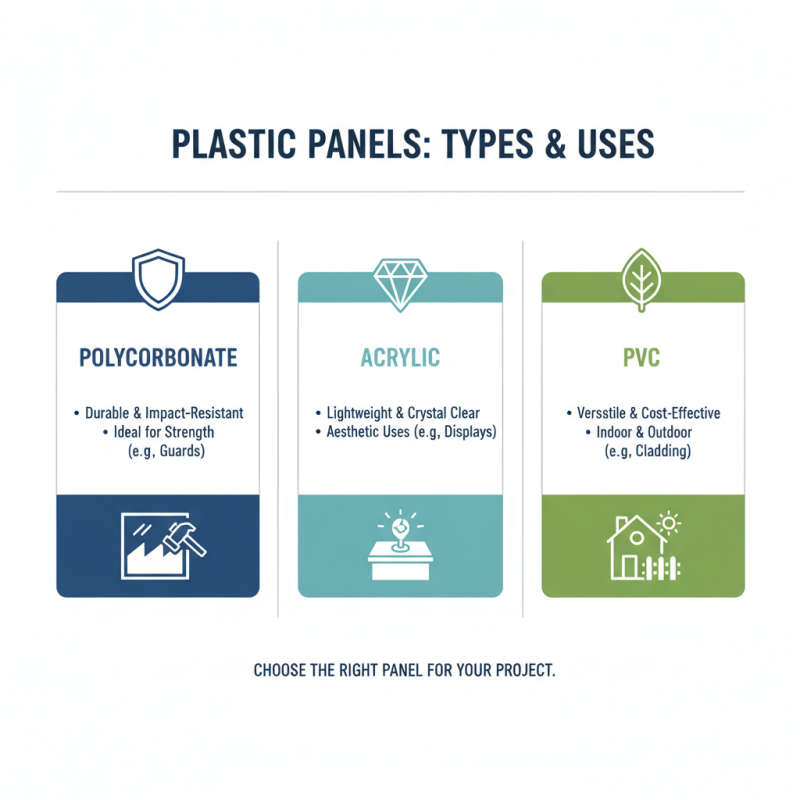
When selecting plastic panels, understanding the available types is crucial. There are various options like polycarbonate, acrylic, and PVC. Each type has unique properties. Polycarbonate panels are durable and impact-resistant. These qualities make them ideal for areas needing strength. Acrylic panels are lightweight and offer exceptional clarity. They are often chosen for aesthetic applications, like displays. PVC panels are versatile and cost-effective, suitable for indoor and outdoor use.

Consideration of environmental factors is also important. Some plastics may not perform well in extreme temperatures. For instance, acrylic can become brittle over time. It's essential to think about the panel's intended use. Will it be exposed to sunlight? UV protection might be necessary for longevity. Explore the dimensions and thickness required for your project. A thicker panel may offer more strength but can also be heavier and more challenging to manage.

Choosing the right type of plastic panel means weighing the pros and cons of each option. Mistakes can happen, often due to overlooking key details. Taking time to research can prevent regrets. Read reviews and consult with professionals if necessary. It’s better to ask questions upfront than to deal with issues later. Each panel serves a purpose but may not fit every situation perfectly.

Evaluating the Durability and Weather Resistance of Plastic Panels

When choosing plastic panels, durability and weather resistance are crucial aspects to consider. Look for materials that can withstand harsh conditions. UV rays can degrade some plastics over time. If the panels are exposed to direct sunlight, they may yellow or crack. Therefore, checking the UV resistance rating is essential.

Wind and rain are other factors to consider. In areas prone to storms, panels need to be sturdy and impact-resistant. Some plastic types may shatter or deform under stress. This could lead to costly repairs or replacements. Additionally, consider the temperature fluctuations in your region. Many plastics can warp under extreme heat or cold, affecting their longevity.

It's tempting to choose cheaper options, but these could backfire. Weigh short-term savings against long-term durability. Sometimes, investing a bit more now prevents larger expenses later. It's a balancing game. Think critically about the environment where the panels will be used. Reflecting on these factors will lead to better choices in the long run.

Assessing Aesthetic Options: Colors and Textures of Plastic Panels

When choosing plastic panels, colors and textures play a crucial role. A panel’s hue can evoke emotions and influence the ambiance of a space. For instance, vibrant colors like red or yellow can add energy. In contrast, muted tones such as gray or pastel shades provide a calming effect. Consider how these colors align with your decor and the message you want to convey.

Textures add another layer of depth. Smooth surfaces can create a modern look, while textured options mimic natural materials. Imagine a faux wood grain finish on a panel. It could bring warmth to an otherwise sterile environment. Sometimes, a combination of textures can lead to unexpected results. Be mindful of how these elements interact. Too many conflicting textures may lead to visual chaos.

Experimenting with color combinations can be challenging. What seems appealing on a small sample might look overwhelming on a larger scale. It’s wise to view panels in different lighting conditions. Natural light versus artificial light can alter appearances significantly. Additionally, consider maintenance and longevity. Some colors may fade over time, impacting your design. Reflect on these factors carefully before making a decision.

Determining the Right Thickness and Weight for Your Project Needs

When selecting plastic panels, thickness and weight play pivotal roles. A recent industry report from the Plastics Industry Association noted that approximately 70% of project failures stem from improper material choices. For instance, using panels that are too thin can lead to warping or breakage under stress. Most applications require panels between 0.08 to 0.5 inches thick for optimal performance, depending on the environment.

Weight is another critical factor. Lightweight panels ease handling and installation but may not provide adequate strength. For example, polycarbonate panels weigh around 50% less than glass yet offer comparable strength. If the weight is too low, the panel can flex, leading to potential failure.

Choosing the right thickness and weight requires careful consideration of the project’s specific demands. If a panel is heavier than necessary, it may increase shipping costs. Conversely, overly thin panels might necessitate frequent replacements. Understanding these aspects will help avoid costly mistakes.

Plastic Panel Thickness Comparison for Various Applications

This chart illustrates the recommended thickness of plastic panels for different applications. The thickness is crucial for ensuring durability and meeting project requirements.

Considering Cost and Budget When Choosing Plastic Panels

When considering plastic panels, cost and budget are crucial factors. Many options exist, but not all are budget-friendly. Assessing your financial limits can help narrow down choices. Some panels may seem expensive at first but offer long-term savings. For instance, durable panels resist wear and tear. This brings down replacement costs over time.

Planning for installation expenses is vital, too. Sometimes, cheaper panels require professional installation, which adds to the total cost. DIY installations can save money, but they may lead to mistakes. Calculating potential errors is critical. Investing in quality often means fewer issues later on.

Consider the intended use for the panels. Some projects demand high durability and impact resistance. Others might require less robust options, which are less costly. Be mindful of hidden costs as well. Taxes, shipping fees, and additional materials can inflate the budget. Carefully researching and planning can lead to better purchasing decisions. Always allow for some flexibility in your budget.

10 Essential Tips for Choosing the Right Plastic Panels - Considering Cost and Budget When Choosing Plastic Panels

Tip Description Cost Consideration Durability Application
1. Assess Your Needs Understand the specific requirements for your project. Low - High depending on specifications. Varies based on resin type. Industrial, Residential
2. Quality of Material Evaluate the strength, UV resistance, and compatibility. Medium - High for premium materials. High durability for quality grades. Commercial, Outdoor
3. Cost Efficiency Look for options that offer good value without sacrificing quality. Low - Medium general price range. Moderate based on lifespan. Home use, DIY projects
4. Design Flexibility Choose panels that allow customization to fit your aesthetics. Medium based on tailored options. Varies, some designs offer better durability. Interior, Decoration
5. Installation Process Consider how easy the panels are to install and DIY options. Varies, ease can save money. Normal if easy to handle. Home improvement, Renovations
6. Maintenance Requirements Understand the level of upkeep required to maintain appearance. Low for low-maintenance options. Higher for materials needing regular care. Commercial spaces, Home
7. Availability and Supply Chain Check if the materials are in stock and supply chain reliability. Low risk with stable providers. Generally unaffected. All applications
8. Environmental Factors Consider if the panels are environmentally friendly. Medium - High for eco-friendly options. Often higher for sustainable materials. Sustainable building projects
9. Fire Resistance Evaluate fire rating for safety and compliance. Varies widely with ratings. High for fire-rated options. Commercial buildings, Safety projects
10. Warranty and Support Check warranty offered and customer support from suppliers. Low - High based on service level. Varies based on support need. All applications
^