Why Ceiling Trim is Essential for Your Home Interior Design?
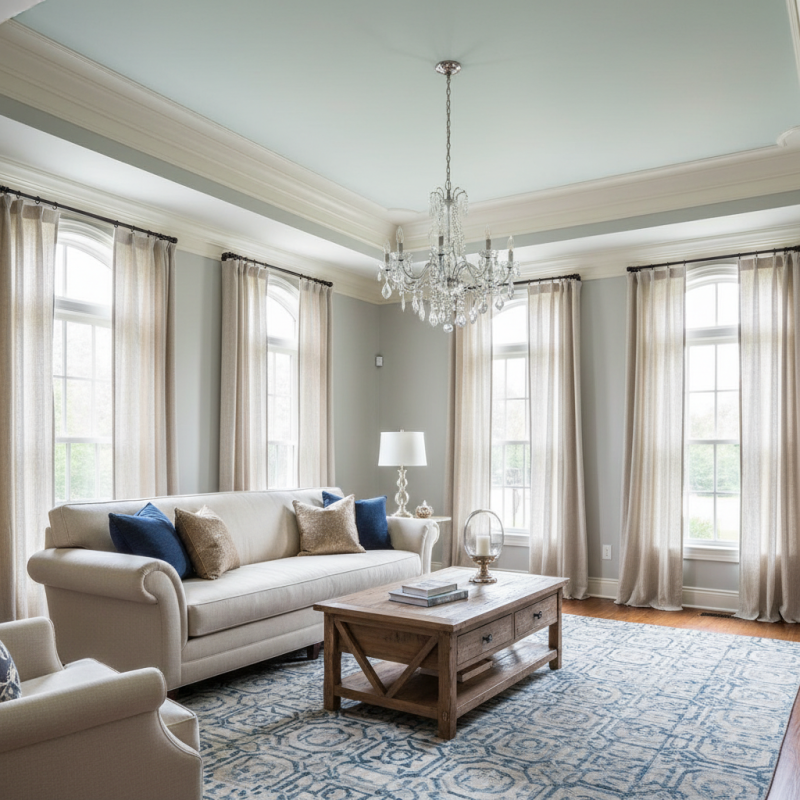
Ceiling trim plays a crucial role in home interior design. It might seem minor, yet it profoundly impacts a room’s aesthetic. This elegant detail harmonizes transitions between walls and ceilings. Without it, rooms may look incomplete or lacking character.
Incorporating ceiling trim can elevate the overall style of your space. It adds depth, dimension, and a sophisticated finish that speaks to attention to detail. Various styles, from modern to traditional, cater to different tastes. However, some homeowners overlook this key element, which may diminish their design efforts.
Choosing the right ceiling trim requires thoughtful consideration. The appropriate material and style should match your overall design theme. Some options may be more costly, while others are budget-friendly but can still achieve grandeur. Reflect on how this simple addition can transform your home into a cohesive masterpiece.
Understanding the Role of Ceiling Trim in Interior Design
Ceiling trim is often overlooked in interior design, yet it plays a crucial role in enhancing a space's overall aesthetic.
According to a report from the National Association of Home Builders, trim work can increase a home's value by up to 15%.
Such statistics highlight its importance. A well-chosen ceiling trim creates a visual connection between walls and ceilings, unifying the room.
In addition, ceiling trim can help to define a room's style. Whether it’s traditional crown molding or sleek modern lines,
the right choice can set the tone. The American Society of Interior Designers notes that 80% of interior designers agree that trim adds character and dimension.
It draws the eye upward, making spaces feel larger and more inviting.
However, the installation of ceiling trim can present challenges. Many homeowners underestimate the skills required for proper installation.
Misalignment or poor choice can lead to a negative visual impact. Seeking expert advice can help in making informed decisions.
Remember, trim is not just decorative—it's a chance to enhance your home's personality and create lasting impressions.
Types of Ceiling Trim and Their Aesthetic Benefits
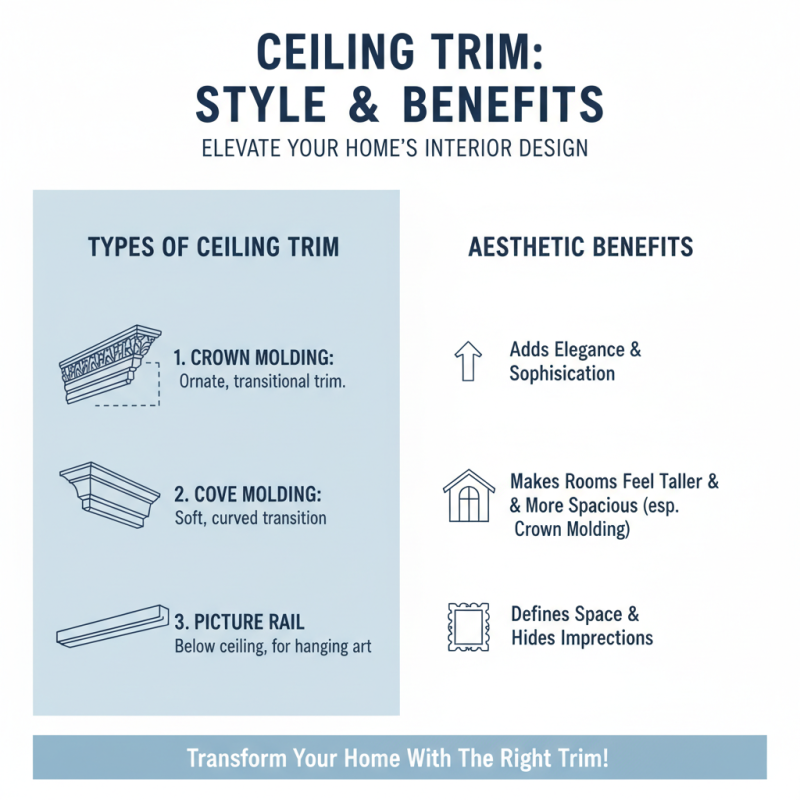
Ceiling trim is a vital element in home interior design. There are various types of ceiling trim, each offering unique aesthetic benefits. Crown molding, for instance, creates an elegant transition between the wall and ceiling. It can make a room feel taller and more spacious. Installing this type of trim requires a keen eye for detail and precision, as poorly executed molding can detract from the overall appeal.
Another popular option is dado rail, which adds character to walls. This type of trim breaks up the visual monotony and can highlight different paint colors or wallpaper. Beadboard can also be an excellent choice for a cozy, cottage-like feel. These elements emphasize texture and depth, especially in smaller spaces. However, selecting the right trim can be challenging. Choosing a style that harmonizes with existing decor is crucial, and it requires careful thought.
Although adding ceiling trim enhances beauty, it also demands a commitment to craftsmanship. Misaligned or hurried installations can leave unsightly gaps. Thus, proper measurement and technique are essential. This balance of skill and aesthetic vision is what truly brings a space to life. The right ceiling trim should reflect both personal taste and architectural style while also inviting introspection about one's design choices.
How Ceiling Trim Enhances Room Proportions and Visual Appeal
Ceiling trim plays a crucial role in enhancing room proportions and visual appeal. It creates a transition between the walls and ceiling, offering a polished look. Without trim, a room can feel incomplete and less inviting. The right trim can make a room feel taller or more spacious. Styles vary from simple to ornate, allowing for customization based on personal taste.
Consider the impact of a coffered ceiling. This design element adds depth and sophistication. It draws the eye upward, creating an illusion of height. Molding can also frame the room, giving it a defined structure. However, choosing the wrong style can lead to a disjointed feel. This choice requires careful consideration to maintain cohesion with the overall design theme.
Additionally, color and texture play vital roles. A contrasting trim color can highlight architectural features. On the other hand, matching the trim to the wall color can create a seamless look. These details enhance the visual appeal but require thoughtful selection. Mistakes in design choices, like using overly complex trim in a simple space, can distract rather than enhance. Embracing imperfections in your design helps create unique and relatable spaces that resonate with personal style.
Maintenance and Installation Tips for Ceiling Trim
When considering ceiling trim, proper maintenance and installation are crucial. This trim enhances the overall aesthetics of your home. However, it can become a liability if not maintained appropriately. Dust accumulation and moisture can lead to deterioration. Regular cleaning can prevent these issues. Wiping the trim with a damp cloth can keep it looking fresh.
Installation requires careful attention to detail. Measure the space accurately before making cuts. This step helps avoid gaps that can be unsightly. Using adhesive or nails properly ensures the trim stays secure. Improper installation can lead to peeling or warping over time. Consider enlisting the help of a professional to ensure quality work.
Always plan for potential challenges during installation. Uneven ceilings can make fitting trim difficult. You may need to adjust your approach or use additional materials. Taking your time and reflecting on these hurdles is essential. In the end, beautiful ceiling trim can transform your space if installed and maintained correctly.
Why Ceiling Trim is Essential for Your Home Interior Design? - Maintenance and Installation Tips for Ceiling Trim
| Dimension |
Description |
Maintenance Tips |
| Material |
Options include wood, MDF, PVC, and polystyrene. |
Regularly dust and clean to prevent damage. |
| Style |
Modern, traditional, ornate, or minimalist styles. |
Choose a style that complements your home's decor. |
| Installation |
Can be DIY or professional installation. |
Follow manufacturer guidelines for best results. |
| Cost |
Prices vary based on material and complexity. |
Budget for both materials and installation. |
| Functionality |
Enhances aesthetics and can conceal wiring. |
Check for loose pieces regularly. |
Incorporating Ceiling Trim into Various Design Styles
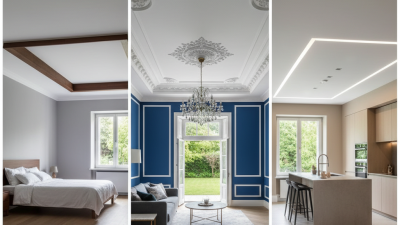
Ceiling trim offers a unique way to enhance various design styles in your home. In a modern, minimalist space, simple crown molding can provide a subtle contrast. A sleek, straight-lined trim draws the eye upward without overwhelming the clean aesthetics. It's a delicate balance between simplicity and sophistication. Adding white trim to a neutral palette can create a fresh, airy feel.
For traditional or classic designs, ornate ceiling trims can elevate the space dramatically. Intricate details and carved patterns align beautifully with antique furniture. A coffered ceiling could add depth and elegance to dining areas or living rooms. Even small spaces benefit; a richly detailed trim can make a room feel grander. However, choosing such designs requires careful consideration. Too much detail can become cluttered, distracting from the overall theme.
Eclectic and bohemian spaces thrive on variety. Using mismatched trims can add character. Mixing colors and styles encourages personal expression. However, this approach can be tricky. It may easily slip into chaos if not planned thoughtfully. Striking the right balance is crucial. Emphasizing your unique style should feel intentional and cohesive.
Importance of Ceiling Trim Across Design Styles
This chart illustrates the significance of ceiling trim in various interior design styles, highlighting the percentage of designers who incorporate ceiling trim in their projects.