Innovative Ideas for Designing Stylish Concrete Wall Spaces
In contemporary interior and exterior design, the use of concrete walls has evolved beyond mere structural functionality to become a canvas for creativity and innovation. This article explores the intersection of style and durability in designing stylish concrete wall spaces, introducing readers to a variety of innovative ideas that transcend traditional perceptions of concrete. As a versatile material, concrete walls offer endless possibilities for customization, allowing designers to incorporate textures, colors, and patterns that enhance the overall aesthetic of a space. From urban apartments to grand commercial settings, the unique character of concrete walls can transform environments, creating stunning focal points that reflect personal style and modern trends. Join us as we delve into exceptional design concepts that elevate concrete wall spaces, making them not just practical but also visually appealing elements of any room or outdoor area.
Creative Textures: Enhancing Concrete Wall Aesthetics with Innovative Techniques
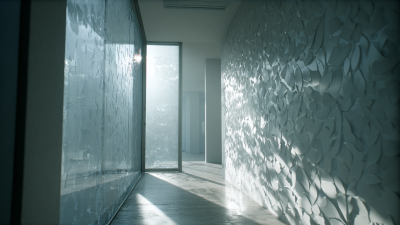
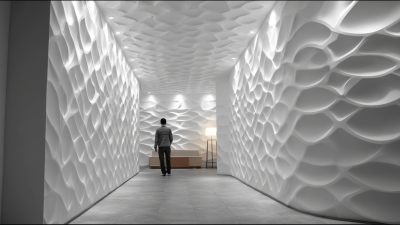
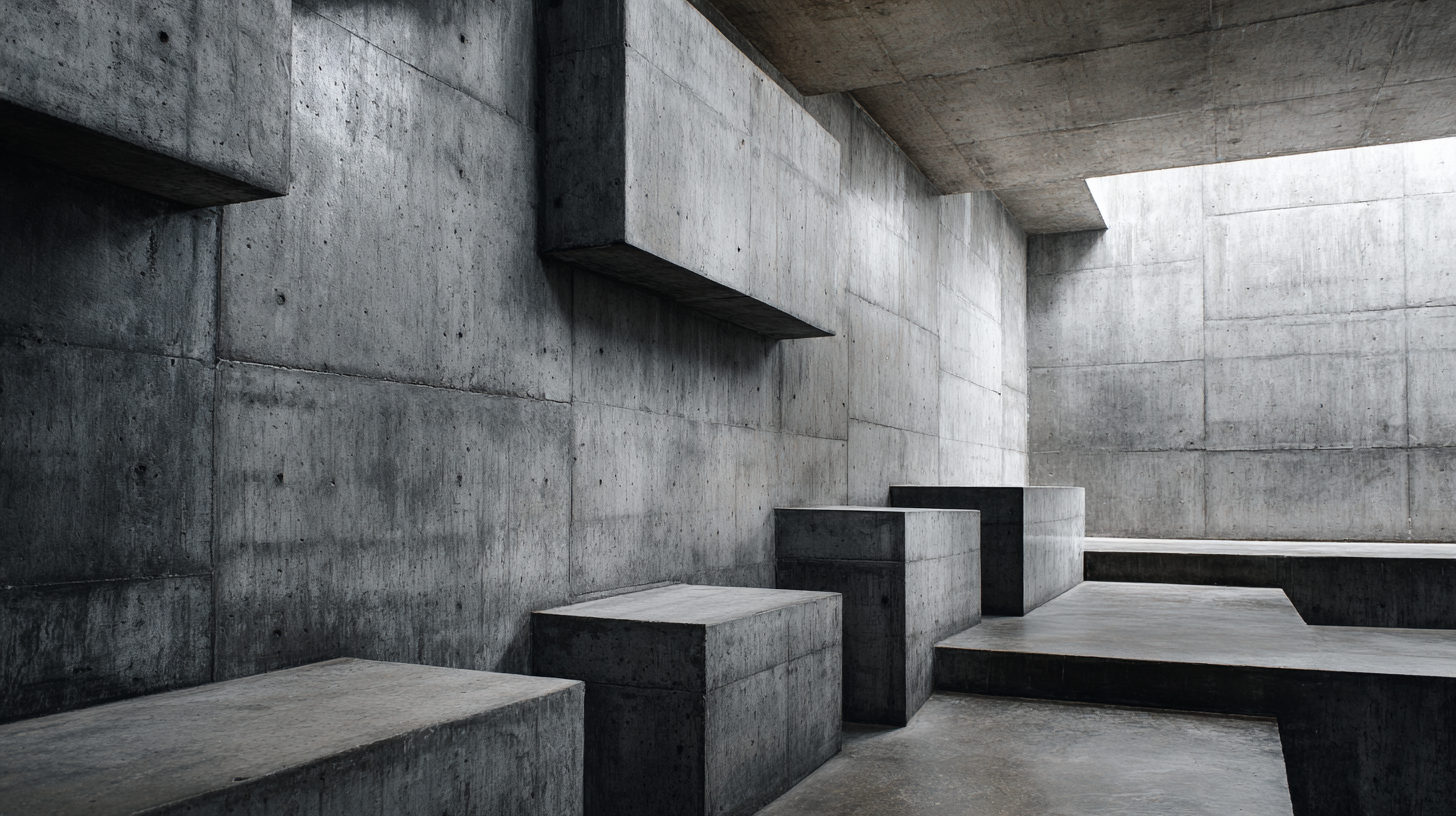
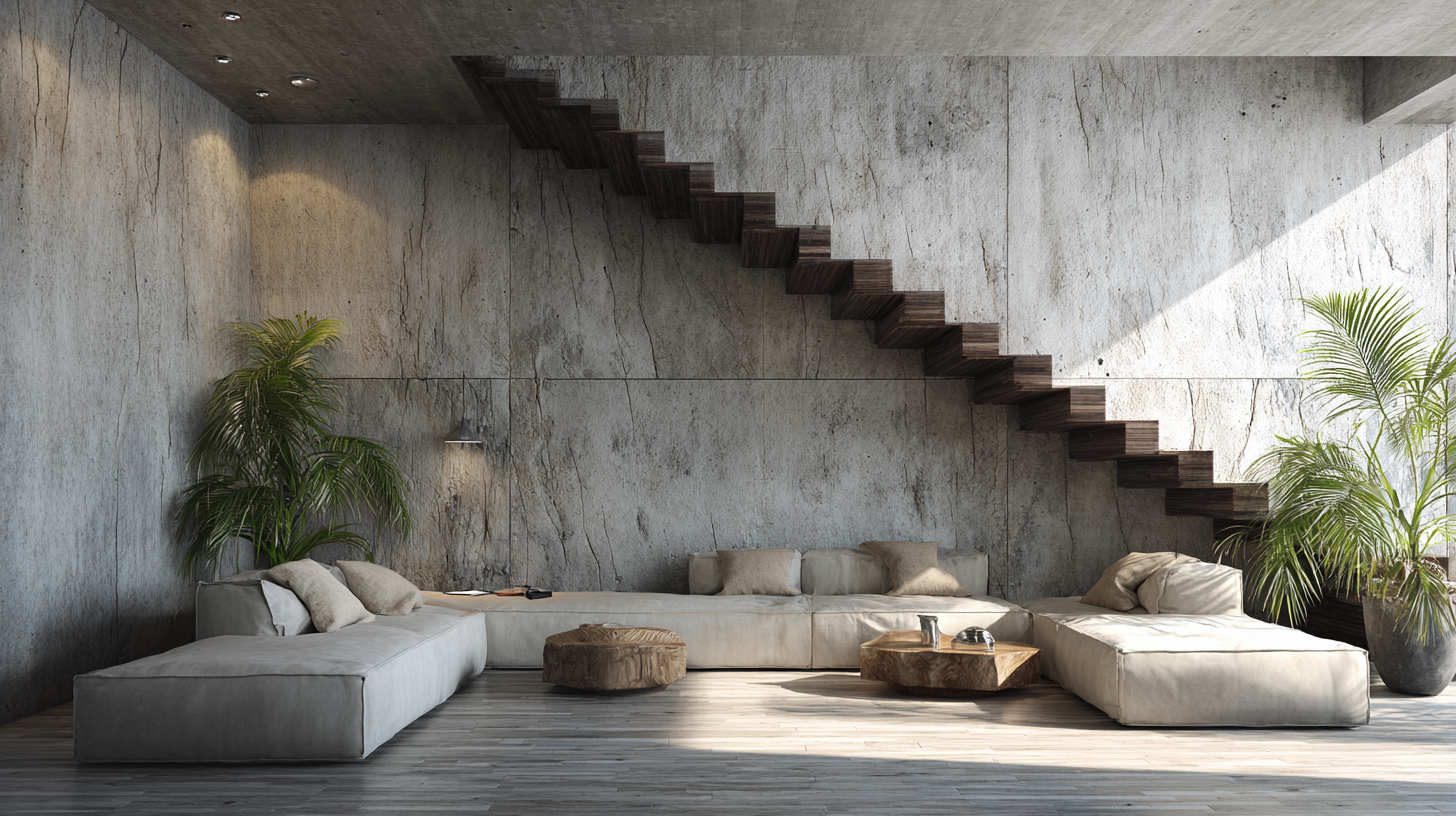
Concrete walls, often perceived as cold and austere, can be transformed into stunning features through the application of innovative texturing techniques. By incorporating methods such as stamping, acid staining, or even three-dimensional wall panels, designers can create visually striking surfaces that breathe life into interior and exterior spaces. For instance, stamping concrete with distinctive patterns, such as natural stone or wood grains, not only enhances the aesthetic appeal but also adds depth and character, making concrete a sophisticated design choice.
Another effective technique for enhancing concrete wall aesthetics is the use of acid stains, which can produce vibrant and varied hues. These stains interact chemically with the concrete to create intricate, mottled effects that mimic the appearance of polished stone. Consider implementing bold color choices for accent walls or soft, subtle tones for a more subdued ambiance. The combination of textures and colors not only elevates the visual interest but also allows for personalized expression in any setting. With these creative techniques, concrete walls can evolve from mere structural components to fashionable design elements that significantly enhance the overall atmosphere of any space.
Color Psychology: Choosing Paints that Elevate Mood and Style in Concrete Spaces
Color psychology plays a vital role in transforming concrete wall spaces, elevating both mood and style. When selecting paints for these areas, it’s essential to understand how different colors can impact emotions and perceptions.
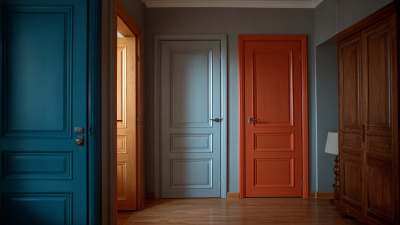
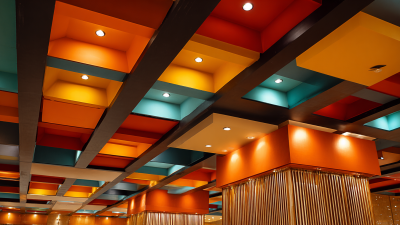
 For instance, soothing blues can create a sense of tranquility, making them ideal for relaxation spaces or bedrooms. Conversely, warm hues like yellows and oranges can energize a room, fostering creativity and enthusiasm. By strategically choosing colors, designers can enhance the functionality of concrete spaces while also
catering to the emotional needs of the occupants.
For instance, soothing blues can create a sense of tranquility, making them ideal for relaxation spaces or bedrooms. Conversely, warm hues like yellows and oranges can energize a room, fostering creativity and enthusiasm. By strategically choosing colors, designers can enhance the functionality of concrete spaces while also
catering to the emotional needs of the occupants.
Additionally, the finish of the paint can further influence the overall ambiance. Matte finishes offer a modern and understated effect, perfect for minimalist designs, whereas glossy finishes can reflect light, adding a dynamic aspect to the space.
Combining various shades and textures can create depth and interest, making a concrete wall not just a backdrop, but a focal point. Ultimately, the thoughtful application of color in concrete design can transform an uninspired area into a stylish, mood-enhancing environment tailored to individual tastes.
Sustainable Design: Eco-Friendly Coatings and Treatments for Concrete Walls
When it comes to enhancing the aesthetics of concrete walls, sustainable design plays a crucial role. Eco-friendly coatings and treatments not only elevate the visual appeal but also contribute to the longevity of the structures. These green coatings, often derived from natural materials, minimize environmental impact while offering durability and protection against weathering and wear. By choosing low-VOC (volatile organic compounds) options, homeowners and designers can achieve a stylish finish without compromising indoor air quality.
Incorporating plant-based stains and recycled materials further promotes sustainability in concrete wall design. These treatments can provide unique textures and colors, transforming bare concrete into vibrant focal points that harmonize with nature. Additionally, using permeable sealants allows for moisture management, ensuring that water does not compromise the integrity of the concrete. By prioritizing eco-friendly coatings and treatments, one can design concrete wall spaces that are not only trendy but also environmentally responsible, aligning with the growing demand for sustainable living solutions.
Innovative Ideas for Stylish Concrete Wall Spaces
Lighting Effects: How Strategic Illumination Transforms Concrete Wall Environments
Strategic illumination plays a pivotal role in transforming concrete wall spaces into stylish and inviting environments. Research indicates that effective lighting design can increase perceived space and enhance the overall aesthetic by as much as 30%. By utilizing various lighting techniques, designers can highlight textures, colors, and architectural features, creating a dynamic interplay of light and shadow that adds depth to otherwise stark concrete surfaces.
One effective approach is the use of wall-mounted fixtures or track lighting to focus on specific areas, drawing attention to artwork or textured concrete. Integrating dimmable LED fixtures not only enhances flexibility but also allows for mood adjustments depending on the time of day or occasion. According to a report from the American Society of Interior Designers, 70% of professional designers believe that well-planned lighting significantly elevates sophistication in interior spaces.
Tips: Consider using warm tones to soften the harshness of concrete. Additionally, experiment with layering different light sources—ambient, task, and accent—to create a rich visual experience. Don’t overlook the importance of natural light; strategically placed mirrors can amplify daylight and make your concrete walls shine throughout the day.
Art Integration: Utilizing Murals and Installations to Personalize Concrete Surfaces
Concrete surfaces, often seen as mundane and rigid, provide a unique canvas for artistic expression. Recent initiatives in cities like Windsor and Pueblo demonstrate the power of murals and installations to transform these wall spaces into vibrant focal points. In Windsor, local artists are invited to contribute to public art installations at a newly enhanced parking garage, underscoring the city’s commitment to integrating creativity into urban design. These initiatives not only beautify the environment but also foster a sense of community ownership and pride.
Similarly, the historic "Slab" basketball courts in Pueblo are set to receive significant improvements, including the introduction of striking murals. This investment not only enhances the aesthetic appeal of the courts but also elevates the space as a cultural landmark. Artists are given the opportunity to leave their mark, promoting both visual diversity and a connection to the local heritage. The synergy of art and architecture can invigorate public spaces, creating inviting areas that encourage interaction and engagement.