How to Achieve Optimal Clean Room Standards for Enhanced Product Quality and Safety
In today's highly regulated industries, achieving optimal clean room standards is crucial for enhancing product quality and safety. Clean rooms, controlled environments designed to minimize contamination, play a vital role in fields such as pharmaceuticals, biotechnology, and semiconductor manufacturing. To ensure that these environments meet stringent cleanliness standards, organizations must implement best practices that not only comply with industry regulations but also promote operational efficiency.
This article will explore essential strategies and methodologies to help companies create and maintain effective clean rooms, which in turn will result in higher product quality and improved safety outcomes. By understanding the intricacies of clean room design, operations, and monitoring, businesses can foster an environment conducive to innovation and excellence while safeguarding public health and compliance with regulatory frameworks.
Best Practices for Designing Clean Rooms to Meet ISO 14644 Standards
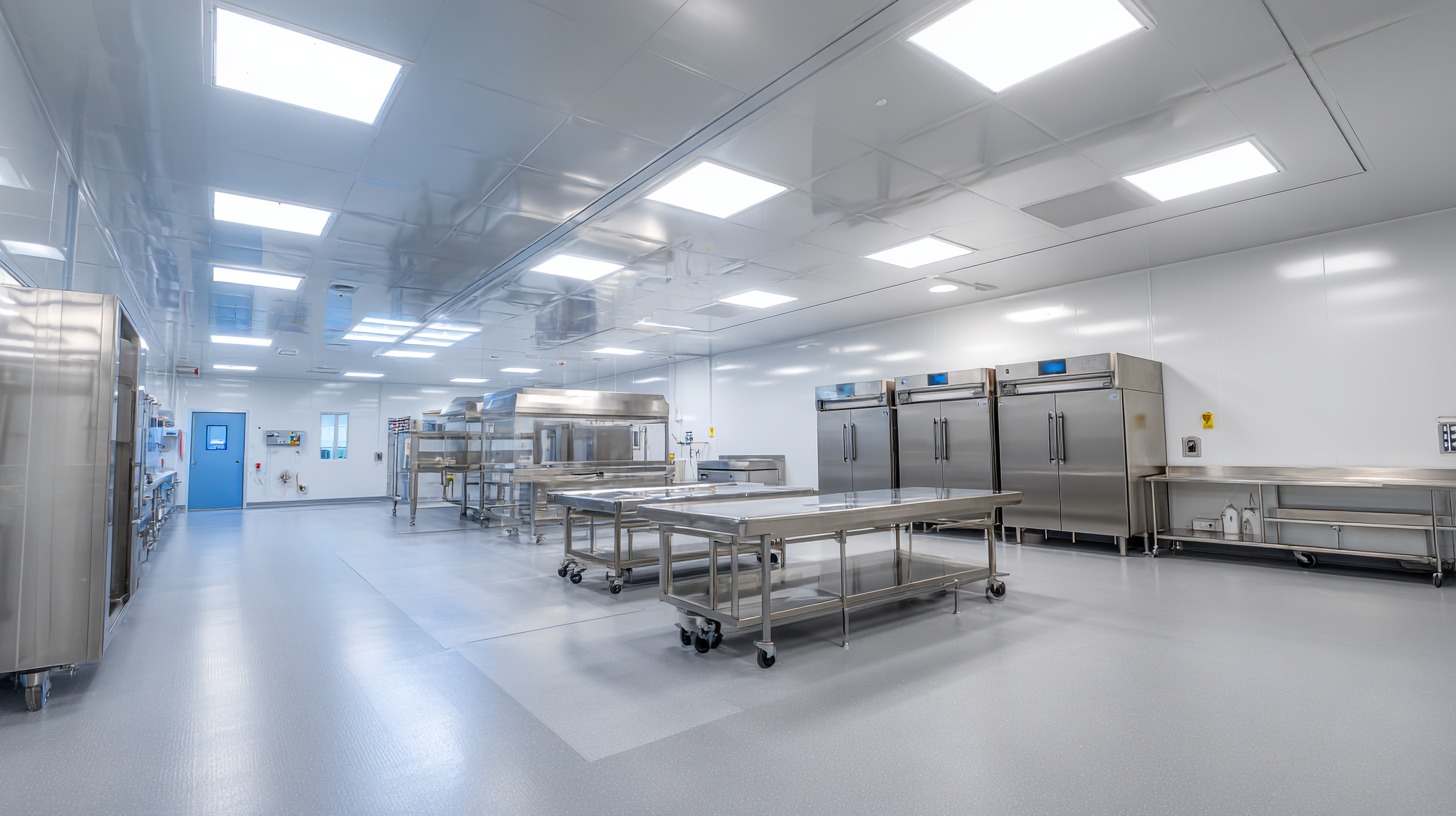
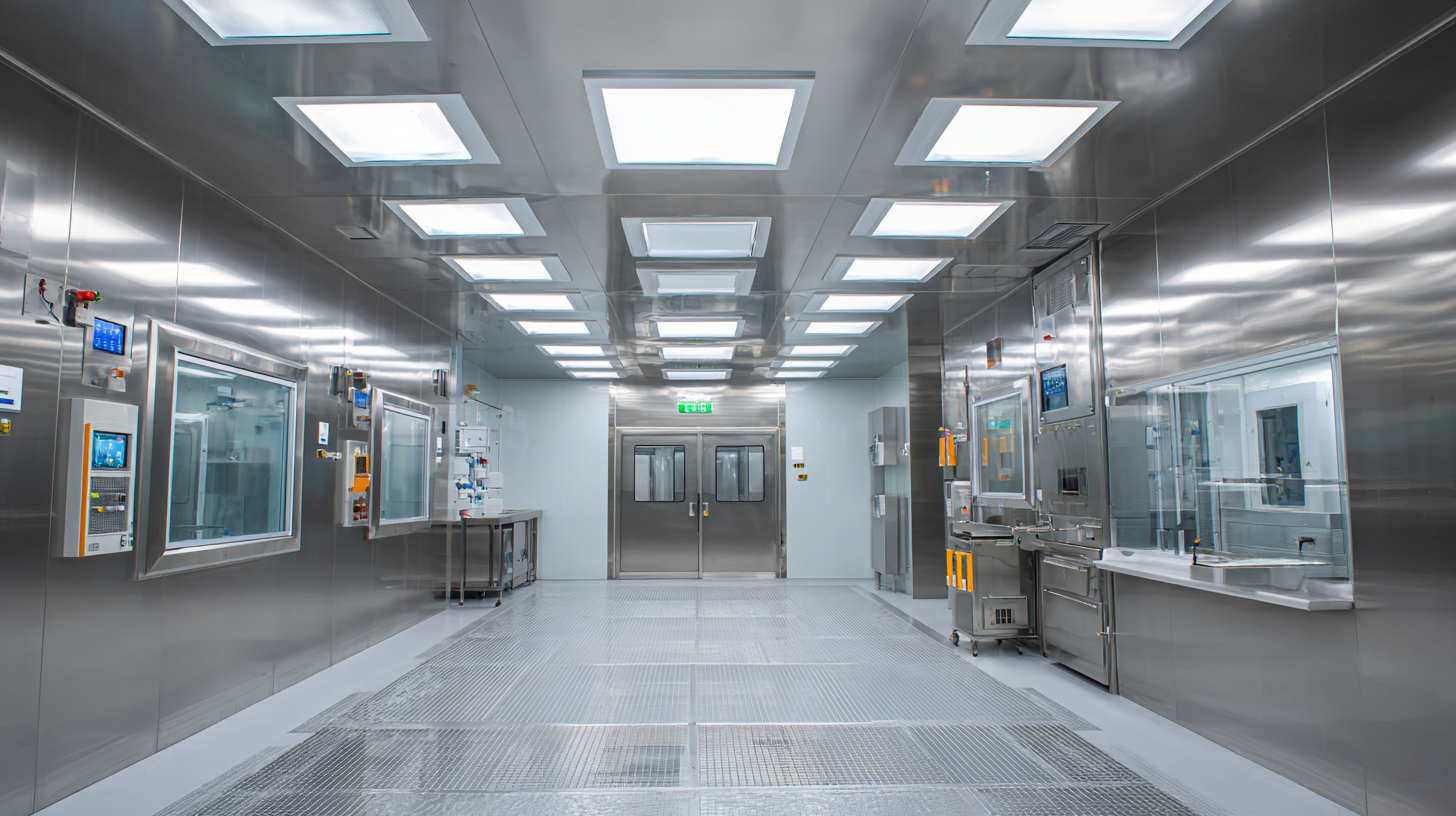 Designing clean rooms that adhere to ISO 14644 standards is essential for industries where product quality and safety are critical. The first step in creating an effective clean room is understanding the classification of air cleanliness levels. This involves the measurement of particulate contamination levels, which must comply with specific requirements depending on the application. Achieving the desired cleanliness level often requires careful consideration of materials and finishes, ensuring that surfaces are non-porous and easy to clean. Additionally, incorporating features like HEPA or ULPA filtration systems helps maintain optimal air quality by removing contaminants efficiently.
Another best practice is to optimize clean room layout to facilitate workflow while minimizing contamination risks. Separating different zones for gowning, storage, and production can prevent cross-contamination and streamline operations. Implementing proper airflow patterns, such as unidirectional or turbulent flow, plays a significant role in maintaining air cleanliness. Regular monitoring and maintenance schedules should be established to ensure that clean room environments remain compliant with ISO standards. Incorporating these design principles will not only enhance product quality and safety but also promote a culture of cleanliness and diligence within the facility.
Essential Equipment and Technologies for Monitoring Clean Room Environments
Maintaining optimal clean room standards is crucial for industries such as pharmaceuticals, biotechnology, and semiconductor manufacturing, where product quality and safety are paramount. The effective monitoring of clean room environments relies heavily on advanced equipment and technologies that ensure compliance with stringent cleanliness protocols. According to a report by Frost & Sullivan, the global clean room equipment market is projected to reach $5.5 billion by 2025, underlining the growing importance of these technologies in supporting high-quality production.
Essential equipment such as HEPA filters, particle counters, and environmental monitoring systems play vital roles in sustaining clean room conditions. For instance, HEPA filters can capture 99.97% of airborne particles 0.3 microns in diameter, making them indispensable in maintaining air quality standards. Furthermore, the integration of real-time monitoring systems can provide continuous data on temperature, humidity, and particulate matter levels, allowing for prompt interventions to rectify any deviations. A study from the International Organization for Standardization (ISO) highlights that consistent monitoring can reduce contamination events by up to 30%, significantly enhancing product integrity and safety across critical manufacturing environments.
How to Achieve Optimal Clean Room Standards for Enhanced Product Quality and Safety
| Equipment/Technology |
Function |
Standards Complied |
Monitoring Frequency |
| HEPA Filters |
Air filtration to remove particulate contamination |
ISO 14644-1 |
Monthly |
| Particle Counters |
Monitor airborne particle contamination |
ISO 21501 |
Weekly |
| Temperature and Humidity Sensors |
Ensure optimal environmental conditions |
GMP |
Daily |
| Surface Monitoring Equipment |
Detect surface contamination |
ISO 14644-3 |
Monthly |
| Airflow Visualization Tools |
Assess airflow patterns in clean rooms |
ISO 14644-3 |
Quarterly |
Effective Contamination Control Strategies in Clean Rooms for Improved Product Integrity
In the quest for enhanced product quality and safety, maintaining optimal
clean room standards is essential. Effective contamination control strategies
play a critical role in improving product integrity. Clean rooms must be meticulously designed and maintained to prevent
particle and microbial contamination, which can significantly affect the manufacturing processes,
particularly in industries such as pharmaceuticals and electronics.
Tips for achieving contamination control include implementing strict access protocols, where only authorized personnel are allowed
entry into the clean room. Wearing appropriate gowns, masks, and gloves is crucial to
minimize the introduction of contaminants. Regular training sessions for staff can ensure that everyone understands the importance
of maintaining cleanliness standards and the proper procedures to follow.
Another important aspect of contamination control is to conduct routine monitoring and maintenance of air filtration systems. Using
high-efficiency particulate air (HEPA) filters can significantly reduce airborne
particles. Additionally, incorporating regular cleaning schedules and audits can help identify potential contamination sources, allowing
for timely corrections. By prioritizing these strategies, clean rooms can foster an environment conducive to high-quality production and safety.
Training and Certification Programs for Clean Room Personnel to Enhance Safety Compliance
Training and certification programs for clean room personnel are essential to maintain optimal clean room standards and enhance product quality and safety. These programs equip staff with the necessary skills and knowledge to operate within stringent clean room environments. By understanding the specific protocols pertaining to gowning procedures, contamination control, and equipment handling, employees are better positioned to comply with regulatory requirements and mitigate risks associated with contamination.
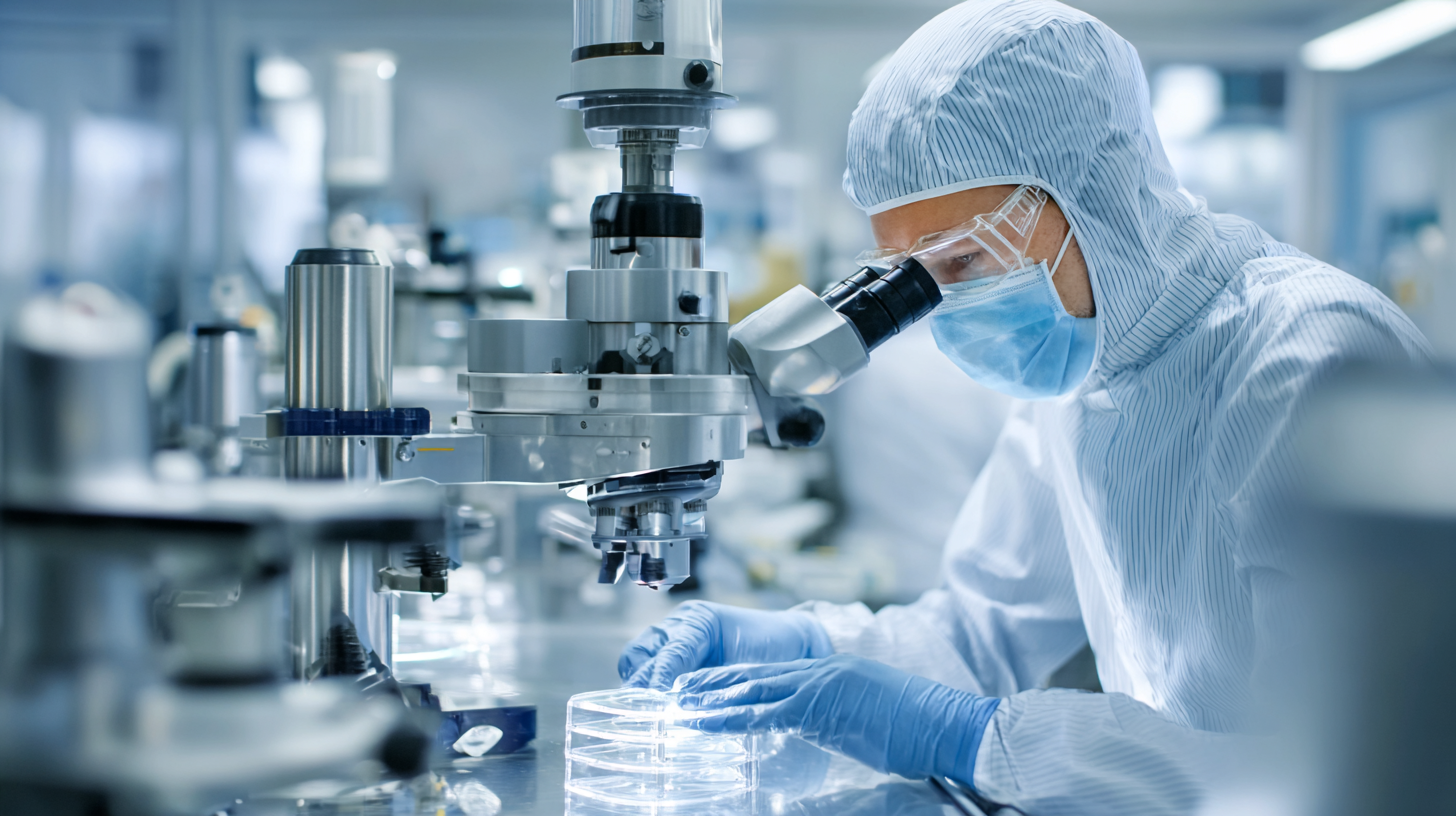
Moreover, ongoing training is crucial to adapt to technological advancements and evolving industry best practices. Regular assessments ensure that personnel not only understand the foundational knowledge but also stay updated with new techniques and regulatory changes. Certification programs provide a structured framework for evaluating competency, thus fostering a culture of accountability and precision within clean room operations. Ultimately, investing in comprehensive training and certification strengthens an organization’s commitment to safety compliance and enhances the overall integrity of the products produced.
Regular Maintenance and Validation Protocols to Sustain Clean Room Performance Standards
Regular maintenance and validation protocols are essential for sustaining clean room performance standards, ensuring the highest levels of product quality and safety. An effective maintenance schedule should include routine inspections and equipment checks to prevent contamination and uphold the environmental parameters necessary for sensitive processes. Implementation of comprehensive cleaning procedures as outlined in cleaning validation guides ensures uniformity across cleaning efforts, minimizing the risk of residual contaminants that can compromise product integrity.
Moreover, leveraging the latest advancements in sustainable building materials can enhance clean room environments by improving durability and reducing the environmental impact of maintenance activities. Innovations in material technologies contribute to a cleaner, safer production atmosphere, while also aligning with contemporary trends in sustainability. Continuous monitoring of the clean room conditions and validation of cleaning processes not only maintain compliance with industry standards but also facilitate a proactive approach to identifying potential issues before they affect product quality.