What Are Partition Wall Panels and Their Benefits?
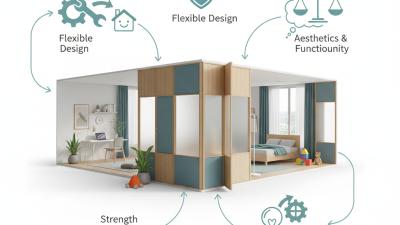
Partition wall panels are gaining attention in today's construction and design industries. These versatile solutions offer significant benefits for space organization and functionality. Industry expert, John Smith, CEO of Interior Innovations, once stated, "Partition wall panels transform spaces, ensuring both flexibility and aesthetic appeal." His insight highlights the importance of these panels in modern architecture.
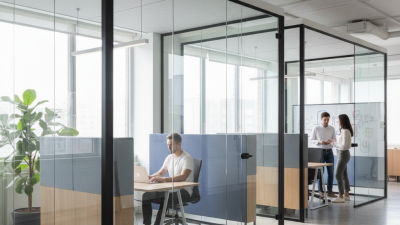
These panels create efficient, flexible environments in both commercial and residential settings. They can be used to separate workspaces or create private areas in open-plan designs. The lightweight materials make installation straightforward, yet many underestimate their durability. Despite their advantages, some users worry about insulation effectiveness and soundproofing capabilities.
Incorporating partition wall panels requires thoughtful consideration. While their adaptability is valuable, aesthetic choices can affect overall design harmony. Users often need to balance functionality with style. Reflecting on these elements is crucial for maximizing partition wall panels' benefits. Ultimately, they are not just barriers; they are tools for creativity and innovation.
What Are Partition Wall Panels?
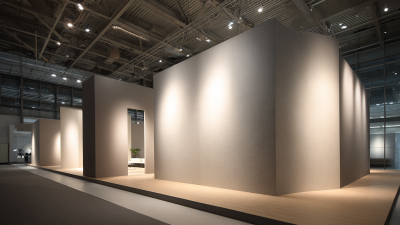
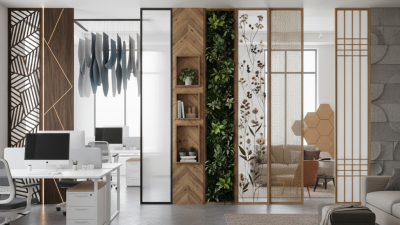
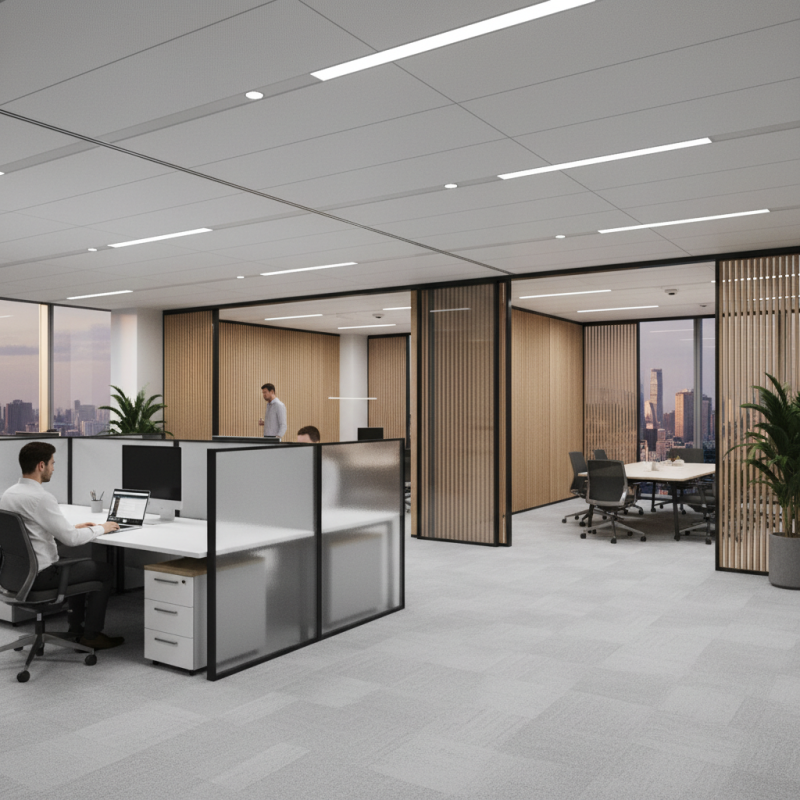
Partition wall panels are versatile construction elements used to create distinct spaces within larger areas. They are designed to divide rooms without the need for permanent structures. You can find these panels in offices, homes, and public spaces. Their lightweight nature makes them easy to install and remove.
These panels come in various materials, including wood, metal, and glass. The choice affects the aesthetic and acoustic properties of a space. For instance, glass panels allow natural light to flow, while thicker materials provide better sound insulation. However, maintenance can be a concern with certain materials. Scratches and stains might mar surfaces and require careful attention.
Using partition wall panels promotes flexibility. Spaces can evolve easily based on changing needs. This adaptability is a key benefit. Nevertheless, the installation process may sometimes present challenges. Getting perfect alignment can be tricky. Inadequate initial planning may lead to mismatched designs or insufficient support. Taking the time to evaluate needs helps avoid future regrets.
What Are Partition Wall Panels and Their Benefits?
| Dimension |
Description |
Benefits |
| Material |
Gypsum board, plywood, or glass |
Durability and aesthetic versatility |
| Soundproofing |
Specialized panels are designed to reduce noise |
Improved privacy in shared spaces |
| Cost |
Affordable compared to permanent structures |
Budget-friendly space management |
| Installation |
Quick and easy assembly |
Reduced downtime and labor costs |
| Flexibility |
Can be reconfigured as needed |
Adaptable to changing space requirements |
| Aesthetics |
Available in various finishes and colors |
Enhances overall interior design |
Types of Partition Wall Panels Available
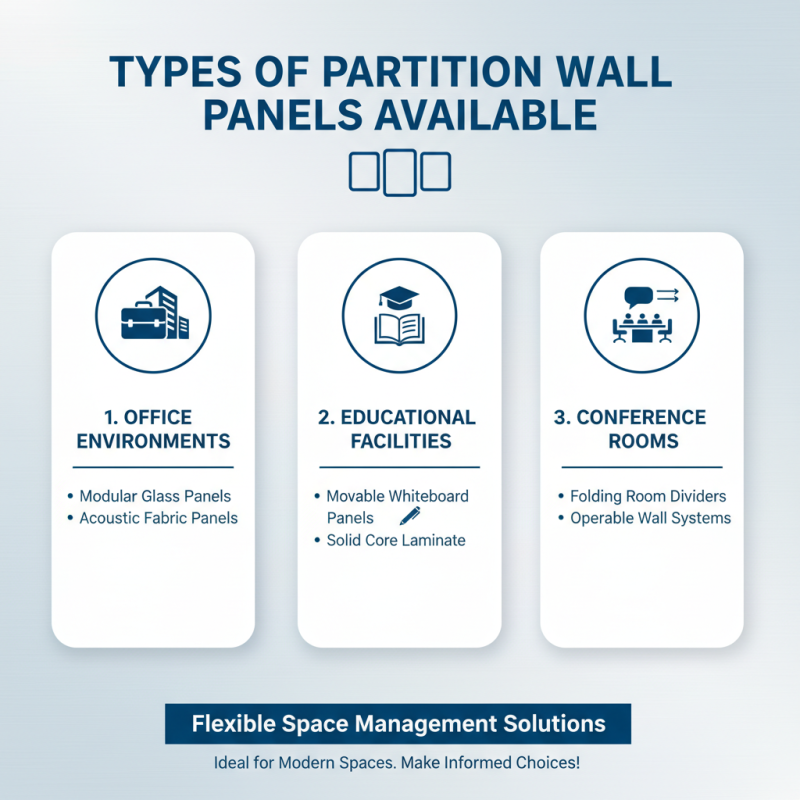
Partition wall panels are becoming increasingly popular in various sectors. These panels offer flexible space management solutions. They are ideal for offices, schools, and conference rooms. Knowing the types available helps in making informed choices.
There are several types of partition wall panels on the market. Acoustic panels provide soundproofing. They help in reducing noise levels significantly. According to a report by the Sound & Vibration Journal, proper acoustic treatment can cut noise transmission by 50%. Fire-rated panels offer safety. They are designed to resist flames for a set amount of time. Some materials are more effective than others.
Glass partition panels create a sense of openness. They allow natural light to flow into workspaces. However, they often require extra maintenance. For instance, fingerprints and smudges can quickly become noticeable. Wood panels offer aesthetic appeal. They add warmth to interiors. Still, they might not provide the same durability as composite materials. The choice often boils down to balancing aesthetics with functionality. Each type comes with its pros and cons, leading to reflection on what truly meets the needs.
Key Benefits of Using Partition Wall Panels
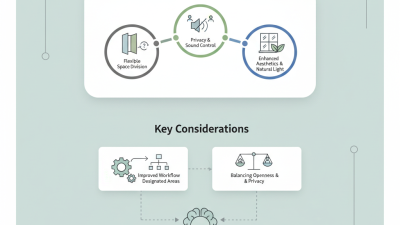
Partition wall panels offer flexible solutions for creating distinct spaces within larger areas. These panels are lightweight and easy to install, making them ideal for both residential and commercial settings. The ability to quickly reconfigure spaces can be a game changer. Imagine transforming a spacious office into meeting rooms or collaborative areas with minimal effort. This adaptability enhances functionality and meets evolving needs.
One significant benefit is sound insulation. Many partition wall panels are designed to reduce noise transfer between spaces. This can create a more productive work environment or a quieter living space. Additionally, they can be customized in various colors and finishes. This allows them to blend seamlessly with existing decor or stand out as statement pieces. Maintaining aesthetic appeal while improving utility can be challenging, yet partition wall panels address both aspects effectively.
Moreover, these panels can be eco-friendly. Some are made from recycled materials, reducing waste. However, not all options prioritize sustainability, so careful choice is essential. Reflecting on materials and their sources is important for projects with environmental concerns. The benefits are clear, but weighing the long-term impacts is critical for responsible choices.
Installation Considerations for Partition Wall Panels
When considering partition wall panels, installation plays a crucial role. Selecting the right location is essential. Ensure the area is level and clean. It might seem trivial, but an uneven surface can lead to significant challenges later on.
Preparation is another key aspect. Always measure twice before cutting. It’s easy to miscalculate. A small mistake can result in wasted materials and frustration. Additionally, consider the panel weight and the tools you’ll need. If you're not comfortable with heavy lifting, seek help.
Environmental factors matter too. Humidity can impact materials. Be sure to check the area’s moisture levels. In some cases, panels may warp or swell. Choosing the right adhesive is equally vital. A strong bond is necessary for stability. Overall, careful planning ensures a smoother installation process.
Maintenance and Care for Partition Wall Panels
Partition wall panels are versatile and popular for creating flexible spaces in offices and homes. However, regular maintenance is crucial to ensure their longevity. Cleaning them periodically can prevent dust buildup. Use a soft cloth or a gentle vacuum to wipe down the surfaces.
Inspecting for damages is essential. Sometimes, panels can suffer from scratches or dents over time. If you notice any issues, addressing them early can prevent further wear. Small cracks might seem harmless, but they could lead to bigger problems. Applying a touch-up paint or filler helps maintain aesthetic appeal.
Care involves considering temperature and humidity levels. Extreme changes can warp the panels. It’s wise to keep the moisture levels in check, especially in bathrooms or kitchens. Remember, neglecting small details can lead to costly repairs later. Regular checks can enhance both the look and function of your panels.