Why Choose Partition Wall Panels for Your Space Optimization Needs?
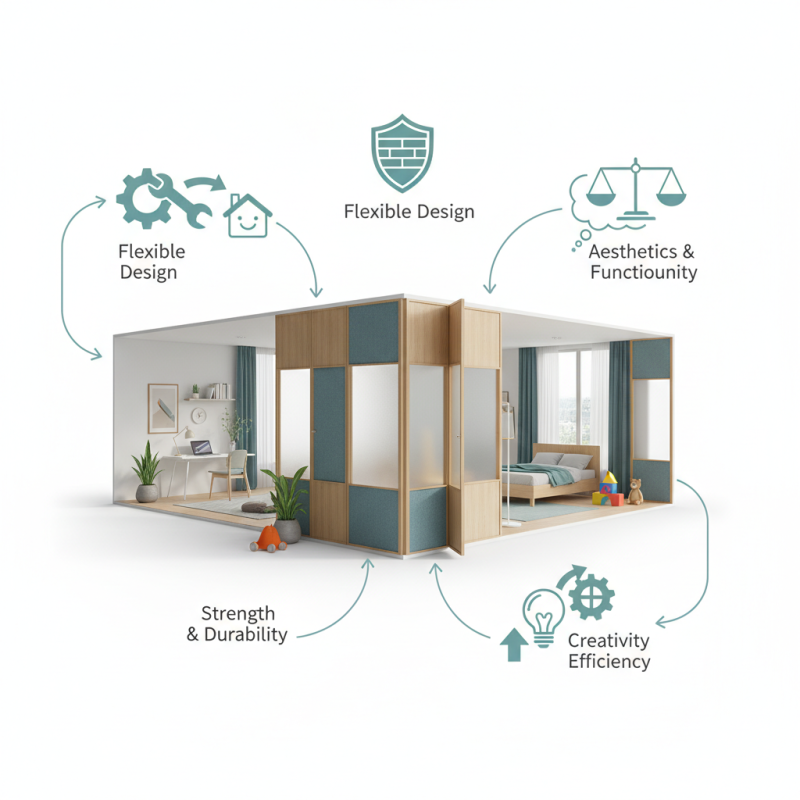
As urban spaces become increasingly limited, optimizing room functionality has never been more essential. "Partition wall panels," according to industry expert Sarah Thompson, allow for flexible design. She notes, “These panels transform a single area into versatile spaces.” They are practical solutions for maximizing any environment while maintaining style.
Using partition wall panels creates separate areas within a room. They can be easily installed and modified, making them adaptable for various needs. For example, a small apartment can become a home office, a guestroom, or a kid's play area. Each panel can reflect your personality while serving a vital purpose. However, not every installation yields the desired effect. Finding the right balance between aesthetics and functionality is critical.
Moreover, quality matters in functionality. Cheaper materials may compromise strength and durability. A wise choice should prioritize good craftsmanship. Understanding this balance can lead to more fruitful results. When effective space management aligns with stylish design, partition wall panels shine. They provide an opportunity to rethink how we utilize our environments. Embracing this innovative approach fosters creativity and efficiency.
Understanding Partition Wall Panels: A Comprehensive Overview
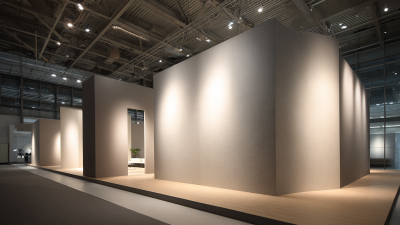
Partition wall panels are flexible solutions for space optimization. They provide the ability to create distinct areas within a room without permanent structures. This adaptability is ideal for offices, homes, and commercial spaces. You can change the layout to suit your needs.
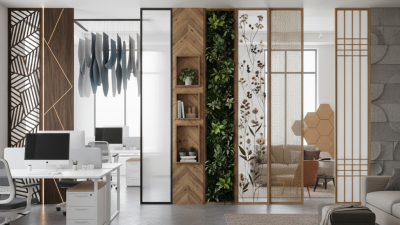
When choosing partition wall panels, consider the material. Different materials like plywood, glass, or metal offer various aesthetics and functionalities. Glass panels can make spaces feel larger, while plywood adds warmth. Ensure your choice aligns with the desired ambiance and purpose of the area.
**Tip:** Think about sound insulation. Some partition panels can reduce noise between spaces. This is helpful in offices or shared living areas.
Remember to account for installation. Some panels are easy to mount, while others may require professional help. Measure your space carefully. Improper measurements can lead to frustration. If you’re unsure, seek advice or help from an expert. Planning is crucial.
**Tip:** Visualize the space before installation. Use software or sketches to see the design. This helps identify potential issues early on.
Benefits of Using Partition Wall Panels for Space Optimization
Key Benefits of Using Partition Wall Panels in Space Optimization
Partition wall panels offer versatile solutions for effective space optimization. They provide flexible layouts in both residential and commercial settings. These panels can change how a room feels and functions. With a variety of materials and designs, they easily blend into any decor. This customization is crucial for creating spaces that truly meet individual needs.
One of the key benefits is the ability to quickly reconfigure spaces. Whether for an office or a living area, partition wall panels can be adjusted to suit different purposes. This adaptability can lead to better productivity in workspaces. In homes, they can help create private zones without the need for permanent walls. These panels can also enhance acoustic privacy, reducing noise distractions. However, careful planning is essential to maximize their potential.
While partition wall panels are great for organization, they may not always fit every style. A mismatch in design can detract from overall aesthetics. Additionally, the installation process can require extra effort and time. It's essential to consider these factors before proceeding. Every space is unique, and this should guide the choice of materials and layouts. Reflecting on these details can lead to a better outcome in the end.
Types of Partition Wall Panels Suited for Various Applications
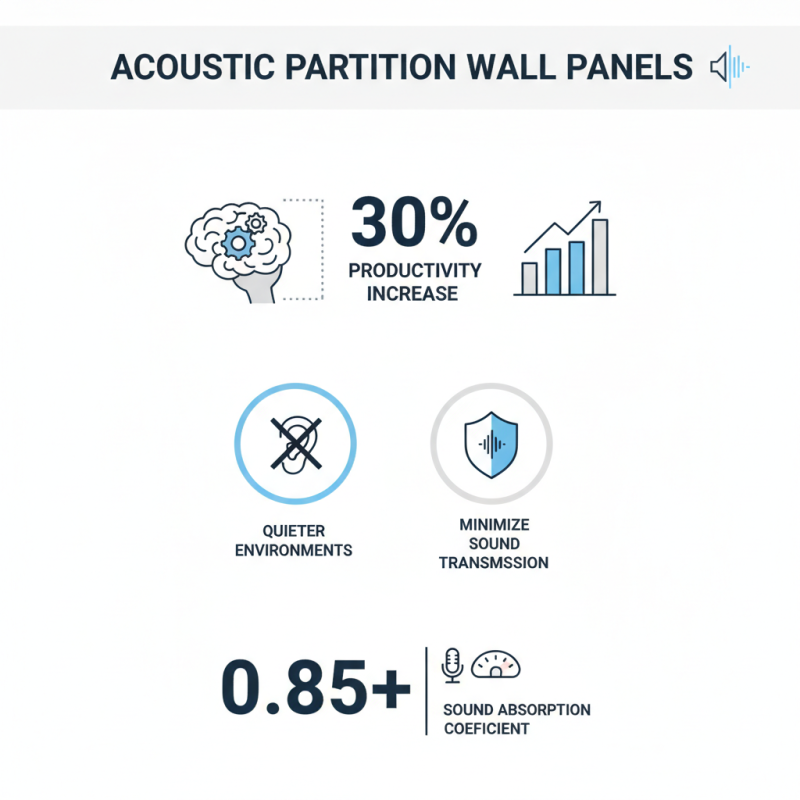
Partition wall panels come in various types, each tailored to specific applications. Acoustic panels are ideal for creating quiet environments. They minimize sound transmission, making them perfect for offices and creative spaces. According to industry research, facilities using acoustic panels report a 30% increase in productivity levels. These panels often have a sound absorption coefficient above 0.85, ensuring a comfortable acoustic environment.
On the other hand, glass partition panels offer a modern aesthetic. They facilitate natural light flow, making spaces feel larger and more inviting. This is particularly beneficial in retail and corporate offices where ambiance matters. A recent report highlighted that spaces with glass partitions can improve employee satisfaction by up to 20%. However, glass doesn't provide the soundproofing needed in certain environments. Some clients find this limitation challenging in open layouts.
Lastly, modular partition panels are versatile and easy to install. They allow quick configuration changes. Studies show that organizations utilizing modular systems can adapt their spaces 50% faster than those with traditional walls. Nevertheless, some users feel these panels may lack a permanent feel, which can be a concern for long-term projects. Balancing aesthetics and functionality becomes vital in selecting the right type.
Factors to Consider When Choosing Partition Wall Panels for Your Space
When considering partition wall panels, several key factors come into play. First, the material choice is crucial. Some panels are made of wood, while others use metal or plastic. Each material has its strengths and weaknesses. Wood is warm and inviting but can be heavy and expensive. Metal may offer durability but can feel cold and industrial. Think about the atmosphere you want to create.
Another important aspect is the panel's sound insulation properties. In busy environments, noise control is vital. Some materials absorb sound better than others. Lightweight panels may not provide the quiet you need. On the other hand, thicker panels can limit space, so be mindful when selecting. Adjustable designs may offer flexibility, allowing you to redefine your space as needed.
Aesthetics also influence the choice, but it often leads to reflection. While you may prefer a sleek design, it could clash with other elements. Color and texture can change how light interacts with your space. Mismatched styles might confuse the overall look. Take the time to visualize your final space before committing to any choice. It's easy to overlook these details.
Why Choose Partition Wall Panels for Your Space Optimization Needs?
| Factor |
Description |
Advantages |
| Material |
Options include gypsum, metal, and glass. |
Durability, aesthetic appeal, and insulation properties. |
| Flexibility |
Ability to reconfigure spaces easily. |
Adaptable to changing needs. |
| Cost |
Initial investment and long-term savings. |
Reduced construction and operational costs. |
| Acoustic Performance |
Sound insulation capabilities of the panels. |
Enhanced privacy and reduced noise disruption. |
| Aesthetics |
Design options available for customization. |
Improves the overall look of the space. |
Installation and Maintenance Tips for Effective Partition Wall Use
Partition wall panels offer flexibility and efficiency for space management. When installed correctly, they can significantly enhance functionality. However, installation requires careful planning. First, assess the area and determine the layout. A survey by the Space Management Institute states that up to 40% of office space is underutilized. Thus, thoughtful placement of panels can improve space usage.
Maintenance is equally important. Regular checks are necessary to ensure stability and aesthetic appeal. Dusting surfaces weekly can enhance their longevity. About 30% of users report that neglecting minor repairs leads to larger problems. A simple crack can become a significant issue if ignored. Embrace a proactive maintenance mindset to avoid costly fixes.
Learning to install and maintain partition walls can be challenging. Mistakes can lead to poor results. However, resources are available online. Detailed guides and forums provide invaluable insights. Instead of being overwhelmed, take each step one at a time. The goal is to create a functional and pleasing environment for work or living.