Why Plastic Walls Are the Future of Sustainable Building Solutions
In the pursuit of sustainable building solutions, innovative materials are taking center stage, and one such advancement is the plastic wall. This modern building component offers a compelling blend of durability, energy efficiency, and environmental benefits that make it an ideal candidate for the future of construction. As traditional building materials face pressures from both sustainability demands and resource scarcity, plastic walls emerge as a viable alternative that not only minimizes waste but also enhances thermal performance and reduces labor costs.
This guide will explore how to effectively implement plastic walls in your building projects, showcasing their advantages, installation processes, and best practices for achieving optimal results. By embracing plastic wall technology, builders and architects can contribute to a greener future while meeting the evolving needs of our society.
Exploring the Environmental Benefits of Plastic Walls in Construction
The growing urgency for sustainable building solutions has led to the exploration of innovative materials, with plastic walls emerging as a frontrunner. Recent studies highlight that plastic walls, made from recycled materials, can reduce the carbon footprint of construction projects by up to 30%. According to a report by the U.S. Green Building Council, utilizing plastic in building infrastructure contributes not only to waste reduction but also to enhancing the overall energy efficiency of structures. With their superior insulation properties, plastic walls can significantly lower heating and cooling energy demands, ultimately translating to reduced energy costs and greenhouse gas emissions.
Furthermore, the durability and low maintenance requirements of plastic walls enhance their appeal in sustainable construction. A recent analysis from the Global Environmental Change Journal indicates that plastic materials have a lifespan three times longer than traditional building materials, leading to less frequent replacements and waste generation. This longevity, combined with the ability to be manufactured from 100% recycled materials, creates a compelling case for the adoption of plastic walls in modern architecture, reinforcing the industry’s shift toward a more sustainable and environmentally conscious future.

Understanding the Durability and Longevity of Plastic Wall Materials
Plastic wall materials are increasingly gaining traction as a sustainable building solution, notably due to their impressive durability and longevity. A recent analysis by MarketsandMarkets predicted a significant growth in the market for these materials, driven largely by their robustness compared to traditional building materials. With advanced manufacturing technologies, plastic walls are now designed to withstand extreme weather conditions, thus offering a long-term solution that reduces the need for constant repairs and replacements.
The durability of plastic materials also extends to their maintenance. Unlike conventional wall materials, plastic walls are less susceptible to issues such as rot, rust, or corrosion, making them a practical choice for various construction applications. Furthermore, interviews with industry experts highlight that the integration of recycled plastics into these wall structures can enhance sustainability while promoting a circular economy in construction. This shift not only reduces waste but also initiates a broader trend towards resource-efficient building practices without compromising on structural integrity or aesthetic appeal.
Why Plastic Walls Are the Future of Sustainable Building Solutions
| Material Type |
Durability (Years) |
Environmental Impact |
Recyclability |
Cost per Square Foot ($) |
| Polypropylene |
20-30 |
Low |
Yes |
8-12 |
| Polycarbonate |
15-25 |
Moderate |
Yes |
10-15 |
| PVC |
25-50 |
High |
Limited |
6-10 |
| Fiberglass |
30-50 |
Low |
Yes |
12-18 |
| Composite Plastics |
20-40 |
Moderate |
Yes |
14-20 |
How Plastic Walls Contribute to Energy Efficiency in Buildings
As the world moves towards more sustainable building practices, plastic walls are emerging as a leading solution for enhancing energy efficiency in buildings. According to the International Energy Agency (IEA), buildings account for nearly 40% of global energy consumption. With innovative plastic wall systems, developers can significantly reduce energy usage through superior insulation properties. Studies show that insulated plastic walls can decrease heating and cooling demands by up to 30%, resulting in substantial cost savings and reduced carbon footprints.
Tips for energy-efficient buildings: When designing or retrofitting a building, consider using plastic walls that incorporate advanced insulation technology. Furthermore, integrating features such as reflective coatings can enhance thermal performance, making structures more energy-efficient.
Additionally, the versatility of plastic walls allows for seamless integration with renewable energy technologies. A report by the U.S. Department of Energy states that buildings utilizing energy-efficient materials, including plastic walls, can effectively support photovoltaic systems, thereby generating renewable energy on-site. By opting for plastic walls, builders can create environments that are not only energy-efficient but also resilient to changing climate conditions.
Comparing Costs: Plastic Walls vs Traditional Building Materials
As the construction industry increasingly shifts towards sustainable solutions, the cost comparison between plastic walls and traditional building materials has become pivotal.
According to a recent report by the International Institute of Sustainable Building, using plastic panels can reduce construction costs by up to 30% compared to brick or concrete structures. This is largely attributed to lower manufacturing costs and reduced labor expenses, as plastic panels are lighter and easier to handle.
Moreover, plastic walls boast significant energy efficiency advantages. A study from the National Renewable Energy Laboratory shows that plastic insulation systems can improve energy savings by up to 40% over conventional materials. This not only lowers operational costs in the long run but also contributes to a smaller carbon footprint, making plastic walls an attractive option for eco-conscious builders.
Tip: When considering materials for your next project, be sure to analyze the lifecycle costs, including energy efficiency and maintenance savings. This can lead to more informed decisions that align with both budget and sustainability goals. Additionally, exploring innovative financing options may help offset any initial investment in sustainable materials.
Innovative Designs: The Aesthetic Advantages of Plastic Walls in Architecture
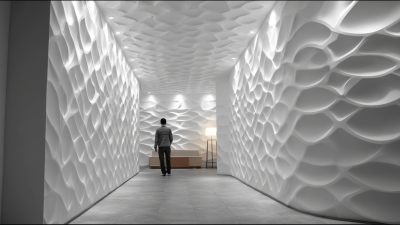
The aesthetic advantages of plastic walls in architecture are becoming increasingly evident as designers explore innovative solutions for sustainable building. Unlike traditional materials, plastic walls offer a unique versatility in design, enabling architects to create a wide array of textures, colors, and finishes that were previously difficult to achieve. This adaptability not only enhances the visual appeal of structures but also allows for creative expressions that can align with contemporary design philosophies and environmental considerations.
Moreover, the lightweight nature of plastic walls facilitates a streamlined construction process, which can significantly reduce labor and time costs. With the ability to mold and shape plastic into intricate designs, architects can integrate features such as curves and patterns that add depth and character to buildings. These aesthetic benefits make plastic walls an attractive option for both residential and commercial projects, positioning them as a forward-thinking choice that harmonizes beauty with environmental responsibility. As the demand for sustainable materials grows, the architectural landscape is poised to embrace the elegance and innovation that plastic walls bring to the forefront of design.
Benefits of Plastic Walls in Sustainable Building Solutions