10 Tips for Choosing the Right Double Doors?
Choosing the right double doors is more than selecting an attractive entrance. These doors influence daylight, ventilation, security, energy use, and daily comfort. A pair that looks elegant in a showroom may feel awkward in a narrow hallway. It may also expose gaps when strong wind reaches the frame. Careful decisions matter.
This guide shares practical tips drawn from common installation considerations and homeowner experience. We will examine door materials, opening size, swing direction, glass options, locking systems, weather seals, and maintenance needs. Measure the rough opening twice. Small errors can create expensive adjustments later. A qualified installer can check wall strength, threshold levels, and alignment before ordering. That step is easy to overlook.
Think about real life, not only photographs. Will furniture pass through the opening? Will children handle the hardware safely? Does afternoon sunlight heat the room? These questions often change the best choice. Reliable manufacturers should provide clear specifications, warranty details, and tested performance information. Still, product labels are not the entire story. Installation quality can decide whether good double doors perform well.
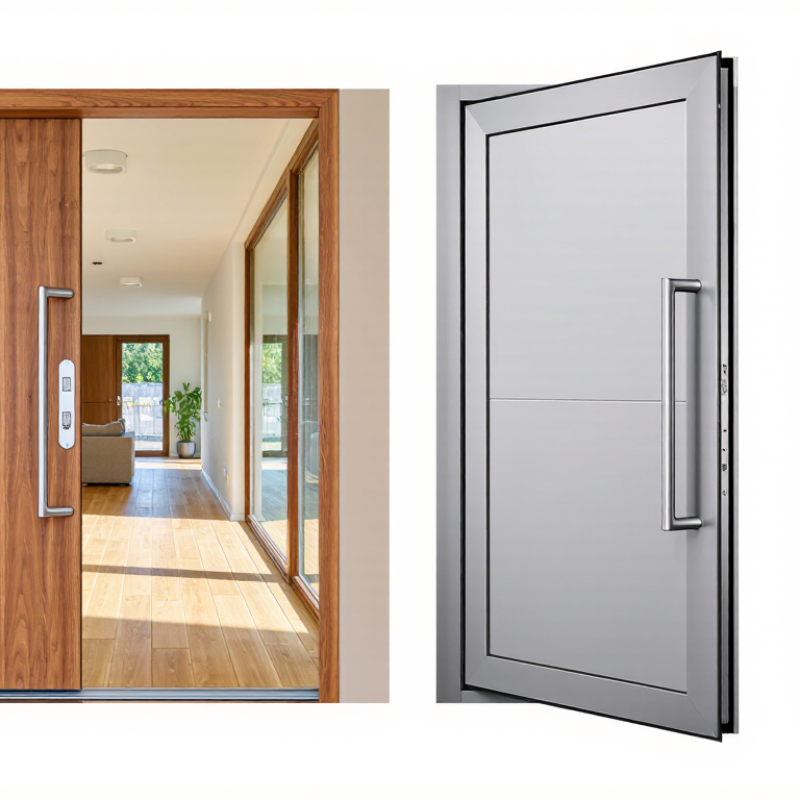
There is no universal answer. A timber design may offer warmth, but it needs regular care. Aluminum can feel sleek and durable, though its finish and thermal performance deserve attention. Glass can brighten a dark room, yet privacy may become a concern. Even experienced homeowners can miss one detail. Use these ten tips as a practical checklist, then review your priorities before committing.
Define Your Double Door Needs and Available Space
Before comparing materials or hardware, define what your double doors must do. Will they open onto a patio, divide two interior rooms, or move furniture through a narrow hallway? Measure the finished opening, not just the wall cavity. Record width, height, sill depth, swing clearance, and nearby switches. A 1,800 mm opening may lose usable space after frames, weather seals, and trim are installed. Small details matter.
Think about daily movement. A dining table near the doorway needs a clear opening, while a bedroom pair may need better privacy and sound control. If both leaves operate, check where people stand when the doors open. Awkward traffic patterns are easy to miss on paper. They become obvious with a chair in the way. The U.S. Department of Energy states that windows can account for 25–30% of residential heating and cooling energy use. That figure supports careful attention to glazing, air leakage, orientation, and weather sealing when selecting glazed double doors.
Your local climate changes the specification. Hot, sunny rooms may need solar-control glass, while colder areas benefit from low-emissivity glazing and insulated frames. Confirm the product’s tested U-factor, solar heat gain coefficient, air-leakage rating, and water resistance. The National Fenestration Rating Council identifies these metrics as key performance indicators for fenestration products. Do not rely on appearance alone. I once underestimated handle reach beside a thick curtain, and the layout felt inconvenient every day. Leave room for human habits, not just perfect drawings.
Compare Door Materials, Styles, and Energy Efficiency
Choosing double doors involves more than matching a beautiful photograph. Tip 1: Compare solid wood, fiberglass, and insulated steel for strength, maintenance, and weather resistance. Wood offers warmth and can be repaired, but it may swell near damp entrances. Fiberglass resists moisture and dents less easily. Steel often provides excellent security, though damaged finishes can rust. Tip 2: Check the frame material too. A strong door with a weak frame still performs poorly. Tip 3: Measure the opening carefully, including wall depth and floor level. Small errors become expensive.
Style should support daily movement. Tip 4: Choose hinged doors for a traditional, generous entrance. Tip 5: Consider sliding or folding designs when hallway space is limited. Tip 6: Inspect the threshold and weather seals before admiring decorative glass. A stylish door can still create a cold draft. Tip 7: Select low-emissivity glass, insulated cores, and double or triple glazing for better energy efficiency. Ask for tested U-values and air-leakage ratings, not vague claims.
Tip 8: Test the locks, hinges, and handles in person. Heavy doors should open smoothly without pulling hard. Tip 9: Check the door’s swing against furniture, steps, and nearby walls. I once overlooked this detail, and the handle struck a cabinet. It was annoying. Tip 10: Review installation standards, drainage, and warranty terms with a qualified installer. Energy savings depend on fitting quality, not materials alone. A careful comparison may reveal that the most attractive option is not the most practical.
Choosing the Right Double Doors: Materials, Styles, and Energy Efficiency
Compare representative whole-door U-values for common double-door constructions. A lower U-value indicates better thermal insulation and reduced heat transfer.
Indicative values are shown in W/m²·K and can vary with glazing, frame design, weather seals, panel thickness, and installation quality. Solid or insulated styles generally perform better than highly glazed or uninsulated designs.
Check Security Features, Hardware, and Durability
Choosing double doors is less about appearance and more about how the complete system resists pressure, weather, and daily use. The FBI’s 2023 Crime Data Explorer recorded more than 847,000 burglary offenses in the United States, so inspect security details carefully. Choose solid cores, reinforced frames, protected hinges, and multipoint locks. Confirm that the lock cylinder resists drilling and picking. Do not ignore the meeting stile between both doors; weak alignment can defeat strong hardware. Add laminated security glass where visibility and impact resistance matter. Check the door’s tested rating, not only its marketing description.
Hardware should match the door’s weight and traffic level. Select corrosion-resistant hinges, adjustable strikes, heavy-duty flush bolts, and a properly sized closer. For exit routes, verify applicable requirements under NFPA 101 and ANSI/BHMA hardware standards. Ask for test evidence referencing standards such as ASTM F1233 or AAMA/WDMA/CSA 101/I.S.2/A440, where relevant. These documents reveal performance under air, water, structural, and operational testing. A certificate is useful, but installation still matters.
Durability also depends on climate. Examine seals, drainage paths, threshold height, and finish performance before buying. Test the doors together; they should close evenly without lifting or slamming. Small gaps matter. My practical mistake was trusting a heavy lock while overlooking frame flex. Recheck the frame, screws, and strike reinforcement. A beautiful double door can still feel insecure when it moves under hand pressure.
Evaluate Installation Requirements and Maintenance Needs
10 Tips for Choosing the Right Double Doors
Evaluate Installation Requirements and Maintenance Needs
Before choosing double doors, inspect the opening rather than trusting its listed size. Measure width, height, depth, and diagonal alignment at several points. Measure twice. Uneven walls can leave one leaf rubbing against the frame after installation.
Check the wall structure, swing clearance, threshold height, and floor level. Exterior doors need effective drainage and weather seals, especially where rain collects near the entrance. Confirm that the frame can support the door weight without relying on weak trim. Follow the installation guide carefully, and use qualified help when structural changes are involved. A small tolerance error can create noticeable gaps.
Maintenance should remain practical for the people using the doors daily. Hinges may need adjustment, while locks, handles, and rollers require periodic inspection. Clean tracks with a soft brush instead of forcing debris deeper inside. Wipe seals with mild soapy water, then check for cracking or flattening. Keep water away from untreated edges. Details matter.
Consider the door material, local climate, exposure to sunlight, and cleaning habits before making a final decision. Dark finishes may show dust quickly, while coastal air can accelerate corrosion on unsuitable hardware. I would not assume that a higher price guarantees easier upkeep. That assumption fails when replacement parts are difficult to source. Keep installation records and inspect alignment after seasonal temperature changes. The best choice is the one that remains stable, accessible, and easy to service.
Set a Budget and Select a Reliable Supplier
Set a Budget and Select a Reliable Supplier
A double door can transform an entrance, but its price extends beyond the panels. Include the frame, hinges, locks, glass, threshold, delivery, installation, and future adjustments. Set aside 10–15% for unexpected structural work. That allowance feels excessive until an uneven opening appears.
Tip:
Ask for an itemized quotation. It should show material grades, dimensions, hardware, lead time, installation charges, and warranty terms. Compare at least three written quotes, not three headline prices. The cheapest option may exclude weather sealing or site preparation. I would question unclear wording, even when the supplier seems helpful.
Energy performance deserves a place in the budget. The International Energy Agency reports that buildings consume about 30% of global final energy. The U.S. Department of Energy also states that windows can cause 25–30% of residential heating and cooling energy loss. Large glazed doors need careful specification. Ask for U-values, solar heat gain coefficient, air-leakage ratings, and applicable test documentation. Confirm the figures match the complete door assembly, not only the glass.
Tip:
Check the supplier’s physical address, project history, insurance, and after-sales process. Request two recent customer references. A dependable supplier explains measurement tolerances and installation risks before taking a deposit. Written approval drawings matter. Small details prevent expensive arguments.
Do not overlook delivery access. A double door may require two installers and protected storage. Confirm who handles damaged goods. Keep every promise in writing. Mistakes happen; vague responsibility makes them costly.