Essential Tips for Choosing Wood Plastic Composite Panels?
Choosing the right Wood Plastic Composite Panel is vital for modern construction and landscaping projects. This material has gained significant popularity due to its durability and low maintenance. According to a report by Grand View Research, the global Wood Plastic Composite market is expected to reach $9.1 billion by 2025, driven by the increasing demand for sustainable building materials.
Expert Daniel Smith, a leading authority in composite materials, emphasizes, “The right Wood Plastic Composite Panel can enhance not only the aesthetics but also the longevity of your project.” However, despite its advantages, many still struggle with the selection process. Various options exist on the market, and understanding the key factors is crucial.
The longevity of these panels can be affected by quality and environmental conditions. Ignoring factors such as UV resistance and moisture tolerance can lead to premature failure. Thus, understanding the specific needs of your project can prevent costly mistakes. Careful selection will lead to a successful outcome and long-lasting satisfaction.
Understanding Wood Plastic Composite Panels: Composition and Benefits
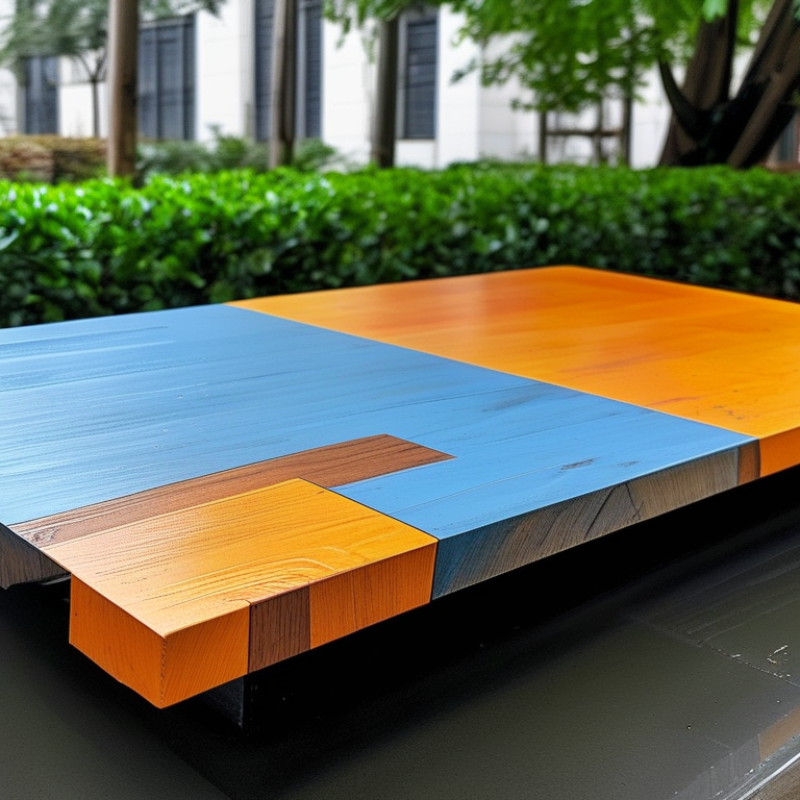
Wood Plastic Composite (WPC) panels are gaining popularity in construction and design. These materials blend wood fibers with plastic, resulting in a durable and weather-resistant product. The composition includes recycled materials, making WPC an eco-friendly choice. This combination offers advantages such as resistance to rot, mold, and insects.
One of the key benefits of WPC panels is their versatility. They can be used for decking, siding, and even furniture. Their ability to mimic natural wood aesthetics allows for creative design possibilities. However, the quality of WPC can vary. Not all products are created equal, and some may lack the durability or appearance that consumers expect.
It is essential to choose WPC panels carefully. Look for panels with a good balance of wood and plastic content. Researching suppliers can reveal insights into product performance. Moreover, consider the environmental impact of the materials used. While WPC panels have many benefits, occasional issues like fading colors or surface imperfections may arise. By understanding these factors, one can make informed decisions in selecting the right WPC panels.
Key Factors to Consider When Choosing Wood Plastic Composite Panels
When selecting wood plastic composite (WPC) panels, several critical factors stand out. The first aspect is durability. WPC panels are renowned for their resistance to moisture and insects. According to a study by the American Wood Council, WPC materials show a reduction in maintenance costs by up to 30% over traditional wood. These panels can withstand harsh weather conditions. Yet, it's crucial to evaluate the specific blend of wood fibers and plastic used in manufacturing. Varying compositions can affect overall performance significantly.
Another essential consideration is the environmental impact of the materials. A report from the Forest Stewardship Council indicates that responsibly sourced wood composites can mitigate deforestation issues. Look for certifications that ensure sustainable practices. In addition to environmental concerns, the aesthetic quality of the panels deserves attention. WPC panels are available in numerous textures and colors, allowing for versatile design options. However, they may not replicate the natural beauty of solid wood perfectly. This can lead to somewhat mixed user experiences regarding appearance and feel.
Finally, the cost is an inevitable factor. While WPC panels can be more affordable in the long run, initial expenses can vary widely. A report from Freedonia Group highlights that WPC may have a higher upfront cost by about 10-15%. It’s important to weigh this against long-term savings in maintenance and replacement. Understanding these factors can aid in making an informed choice regarding WPC panels.
Evaluating Durability and Weather Resistance in Composite Panels
When choosing wood plastic composite panels, evaluating durability is crucial. Composite panels often combine wood fibers and plastic, making them more resilient than traditional wood. They resist splitting and warping, essential for long-term use. However, not all composites are made equal. Pay attention to the ratio of wood to plastic. A higher plastic content generally improves durability.
Weather resistance is another key aspect. Many composites are designed to withstand harsh climates. Look for panels engineered to resist moisture and UV damage. Some may include additives that further enhance their durability and longevity. Yet, even the best panels can weaken over time. Regular inspections are necessary. This will help identify any potential issues early.
Choosing the right composite requires diligence. Each product may have different performance standards. Research is essential to identify suitable options for your specific needs. Consider consulting with experts or industry professionals. Their insights can help clarify the effectiveness of different panels. Ultimately, informed choices lead to better long-term outcomes.
Essential Tips for Choosing Wood Plastic Composite Panels
| Property | Description | Rating (1-5) |
| Durability | Resistance to wear and tear, able to endure impacts. | 4 |
| Weather Resistance | Can withstand harsh weather conditions including sun, rain, and snow. | 5 |
| Maintenance | Requires minimal upkeep, easy to clean and maintain. | 4 |
| Environmental Impact | Made from recycled materials, eco-friendly option. | 5 |
| Aesthetic Appeal | Available in various colors and textures, visually appealing. | 4 |
Sustainability and Environmental Impact of Wood Plastic Composites
Wood Plastic Composites (WPC) are gaining popularity for their eco-friendly properties. These materials combine wood fibers and plastic, creating a durable product that helps reduce waste. By recycling plastic, WPC minimizes the consumption of virgin materials. This not only conserves resources but also limits harmful emissions from plastic production.
However, the environmental impact of WPC is complex. While they are made from recycled materials, the production process can still involve chemical additives that may harm ecosystems. It is essential to consider the source of the wood fibers and plastics used in manufacturing. Sustainable forestry practices should be a priority to ensure the environmental benefits are maximized.
Choosing WPC based on sound environmental practices is crucial. Look for certifications that guarantee sustainable sourcing. Unregulated materials can lead to deforestation and pollution. Being mindful in your selection can make a difference. Sustainable options exist, but they require careful consideration and awareness.
Cost Analysis: A Comparison of Wood Plastic Composites with Other Materials
When considering wood plastic composites (WPC), cost plays a crucial role in the decision-making process. According to recent industry reports, WPC panels generally range from $1.50 to $3.00 per square foot. This price is often competitive with traditional materials such as wood and composite decking, which can exceed $4.00 per square foot. However, while WPC is initially less costly, lifecycle costs may vary based on maintenance requirements.
WPC panels offer remarkable durability, which can result in long-term savings. They resist fading, rot, and insect damage much better than traditional wood, which typically requires regular sealing and treatments. The 2021 Market Analysis highlighted that over 60% of users reported significant reductions in maintenance costs when switching to WPC. However, potential buyers should factor in installation costs as well, which can vary depending on the complexity of the project.
Environmental considerations also impact cost evaluations. The production of wood plastic composites utilizes recycled materials, which may reduce disposal costs. Some studies suggest choosing WPC can lead to a 30-40% lower carbon footprint compared to traditional materials. Nevertheless, it’s essential to reflect on the variability in quality across different manufacturers. Not all WPC products are created equal, and not investing in reputable options could lead to higher long-term costs.