What Are the Top 10 Wall Panels for Modern Interiors?

Modern interiors are no longer defined by paint alone. Wall panels can add warmth, acoustic comfort, depth, and a stronger visual identity. They can also hide uneven surfaces, frame lighting, or create a quiet backdrop for furniture. The best choice depends on the room’s purpose, moisture levels, maintenance needs, and available light. A dramatic fluted panel may suit a hotel lobby, yet feel crowded in a small bedroom. Material matters. So does restraint.

Charles Eames, a pioneering American designer, famously said, “The details are not the details. They make the design.” That principle guides this review of the top 10 wall panels for modern interiors. We will compare wood veneer, slatted timber, acoustic felt, PVC, stone, metal, glass, 3D composite, fabric, and moisture-resistant panels. Each option brings a different touch: the grain of oak, the soft absorption of felt, or the cool reflection of brushed metal. Performance will matter as much as appearance. We will consider installation, cleaning, durability, fire safety documentation, and environmental claims. Check the specifications carefully. Marketing language can be vague.

There is no universal winner. A ranking can never be completely objective. Personal taste, budget, climate, and building standards change the result. Some panels look exceptional in photographs but disappoint under harsh lighting. Others seem plain at first. Then they age beautifully. This guide aims to make that decision clearer, while acknowledging one imperfect truth: the most attractive wall panels are not always the most practical.
What Are the Top 10 Wall Panels for Modern Interiors?

Defining Wall Panels and Their Role in Modern Interior Design

Wall panels are surface systems that cover part or all of an interior wall. They add texture, protection, insulation, or visual structure. Unlike paint, panels can change how light, sound, and movement feel inside a room. Their value depends on purpose, not decoration alone.

Ten practical options suit modern interiors: wood slat, fluted wood, acoustic felt, fabric, stone veneer, ceramic, metal, glass, three-dimensional gypsum, and moisture-resistant polymer panels.

Wood slats warm a narrow hallway. Felt softens echoes in a home office. Stone veneer creates weight around a fireplace, while glass can brighten a compact kitchen. Ceramic panels handle splashes well. Metal supports an industrial character. Each material needs suitable backing, ventilation, and careful edge treatment.

Performance should guide the selection. Check moisture resistance, surface durability, cleaning needs, fire documentation, and installation limits. A panel may look impressive in a showroom but feel excessive across every wall. I once underestimated how strongly ribbed surfaces collect dust near a busy entrance. That mistake changed my approach. Now, I test samples beside daylight, lamps, furniture, and door hardware. Small details matter. Panel thickness can affect outlets and trim alignment. Uneven walls may also reveal careless preparation. Good design leaves room for maintenance, repair, and changing taste.

Top 10 Wall Panel Materials and Their Distinctive Features

What Are the Top 10 Wall Panels for Modern Interiors?

Top 10 Wall Panel Materials and Their Distinctive Features

Modern interiors use wall panels for texture, insulation, durability, or visual warmth.

Wood veneer offers natural grain with less weight than solid timber.

Solid wood slats create depth and soften large, empty walls.

MDF panels provide smooth surfaces for paint and precise grooves.

Plywood adds layered edges and a practical, workshop-inspired character.

PVC panels resist moisture, making them suitable for bathrooms and utility spaces. However, low-quality PVC may look overly artificial.

Acoustic PET felt panels help reduce echo in offices, bedrooms, and media rooms.

Fluted glass brings light through partitions while maintaining partial privacy.

Natural stone delivers unique veining, strong impact, and substantial weight.

Porcelain or ceramic panels resist stains and heat, though accurate cutting requires skilled installation.

Metal panels, including aluminum or steel, create a crisp industrial finish and withstand heavy use. They can also feel cold without nearby wood or fabric.

Tips: Check wall flatness before ordering panels. Measure openings twice. Leave expansion gaps where temperature changes occur. Sample colors under both daylight and warm lighting. I have seen attractive designs fail because cable access was ignored. A removable section can prevent expensive repairs later. Confirm fire ratings, moisture resistance, and cleaning requirements with the supplier. One detail is easy to miss: glossy panels reveal fingerprints and uneven walls.

Comparing Wall Panels by Style, Durability, Cost, and Maintenance

Modern interiors need more than attractive surfaces. They need practical performance. In renovation projects, I compare these ten wall panels by appearance, resilience, price, and cleaning effort: wood veneer, solid wood, MDF, PVC, SPC, WPC, acoustic PET felt, fabric, 3D gypsum, and ceramic panels. Wood veneer gives warm grain at a mid-range cost, while solid wood feels richer but needs controlled humidity. MDF is smooth and affordable, yet vulnerable to swelling. PVC and SPC resist splashes and wipe clean easily. WPC offers a timber-like texture with better moisture tolerance. Acoustic PET felt softens echo, though dust can collect in its fibers. Fabric adds comfort, but stains remain difficult. Gypsum creates sculptural relief at moderate cost. Ceramic is expensive to install, but highly durable and hygienic.

Cost rankings change by region and installation method. Grand View Research’s 2024 wall-panel analysis projects steady global growth through 2030, reflecting demand for faster interior installation. That growth does not make every panel economical. Labor often costs more than the material. A low-cost PVC panel may require fewer finishing hours, while custom gypsum can demand careful leveling and painting. The 2023 Global Status Report for Buildings and Construction reports that buildings account for about 30% of global final energy demand. Panels do not solve energy use alone, but insulated systems can support better envelope performance.

Maintenance decides long-term value. Ceramic, PVC, and SPC usually need only a damp cloth and mild cleaner. Wood requires periodic resealing. Felt needs vacuuming. Avoid harsh chemicals. I still distrust “maintenance-free” claims; every surface eventually shows fingerprints, seams, or careless installation. Sample panels should face real humidity, direct light, and repeated cleaning before purchase. Fresh style matters, but daily behavior matters more.

What Are the Top 10 Wall Panels for Modern Interiors?

Comparing wall panels by style versatility, durability, affordability, and maintenance ease.

Scores use a comparative 1–5 scale based on common material properties and typical residential applications. Affordability reflects relative material and installation cost, with 5 representing the lowest overall cost. Actual performance varies with product quality, installation, humidity, and local labor rates.

Choosing the Right Wall Panel for Each Room and Design Goal

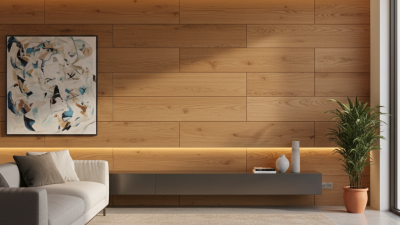
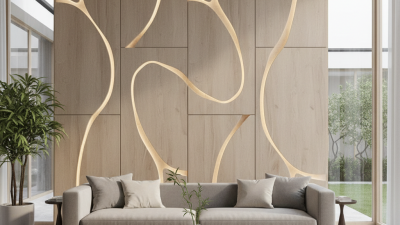
Choosing the right wall panel depends on the room, lighting, moisture, and the atmosphere you want. In my renovation experience, wood veneer panels add warmth to living rooms and bedrooms, while fluted wood creates rhythm behind a sofa or bed. Slatted acoustic panels can soften echoes in offices, media rooms, and open-plan spaces. Painted MDF panels suit classic interiors and can be repaired more easily than fragile finishes. Reclaimed wood offers character, but its uneven color may demand extra preparation.

For moisture-prone areas, PVC panels are practical for laundry rooms and some bathroom walls. They resist splashes, although poor sealing can still cause trouble. Natural stone panels create a strong focal wall in entryways and fireplaces. Lightweight faux-stone panels reduce structural demands, but their texture can appear artificial under bright lighting. Ceramic panels work well in kitchens and bathrooms because they are durable and easy to clean. Glass panels can enlarge compact spaces through reflection, yet fingerprints become visible quickly. Fabric-wrapped panels support acoustic control in studies, bedrooms, and hospitality areas.

I usually test a sample beside the room’s actual window. Color changes dramatically between morning and evening. Check the substrate, panel weight, cleaning method, and fire or moisture ratings before installation. A panel may look perfect online. It may disappoint in person. I once underestimated shadow lines around dark slats, making a small room feel narrower. That mistake reinforced a useful rule: match the panel to the room’s function before chasing visual impact.

What Are the Top 10 Wall Panels for Modern Interiors? - Choosing the Right Wall Panel for Each Room and Design Goal

Rank Wall Panel Type Best Rooms Primary Design Goal Moisture Suitability Durability Maintenance Installation Profile Relative Cost
1 Painted MDF Slat Panels Living rooms, bedrooms, home offices Warmth, rhythm, and subtle acoustic improvement Low; use only in dry, well-ventilated areas Moderate; edges need protection from impact and moisture Low; dust with a soft cloth Moderate; commonly fixed over a prepared wall Low–Medium
2 Natural Wood Panels Living rooms, dining rooms, bedrooms Biophilic character and premium visual texture Low–Moderate; seal appropriately and avoid persistent dampness High when properly sealed and maintained Moderate; occasional refinishing may be required Moderate–High; accurate cutting and substrate preparation are important Medium–High
3 Wood Veneer Panels Feature walls, offices, reception areas Refined wood appearance with consistent surfaces Low–Moderate; protect from direct water exposure Moderate–High; surface finish helps resist everyday wear Low; clean with a dry or lightly damp cloth Moderate; panel alignment is essential for a seamless result Medium–High
4 Acoustic Felt Panels Home theaters, offices, studios, bedrooms Reducing reverberation and improving speech clarity Low; keep away from wet locations Moderate; vulnerable to sharp objects and heavy abrasion Low; vacuum gently or use a soft brush Easy–Moderate; lightweight panels can often be cut and mounted quickly Low–Medium
5 PVC Decorative Panels Bathrooms, utility rooms, kitchens Water-resistant surfaces and fast visual updates High for many interior applications; seal joints as required Moderate; can scratch or dent under strong impact Low; wipe with a non-abrasive household cleaner Easy; lightweight and suitable for relatively quick installation Low
6 Ceramic or Porcelain Tile Panels Bathrooms, kitchens, entryways Long-term durability and moisture protection High when correctly installed and grouted Very high; resistant to water, heat, and everyday wear Moderate; grout lines require periodic cleaning Moderate–Difficult; requires careful substrate preparation and cutting Medium–High
7 Large-Format Stone Panels Fireplace surrounds, bathrooms, statement walls Luxury appearance with fewer visible joints High, depending on the stone and sealing system Very high; natural stone may require periodic sealing Moderate; use cleaners suitable for the specific stone Difficult; heavy panels require specialist handling and support High
8 Textured 3D Composite Panels Living rooms, bedrooms, commercial feature walls Adding depth, shadows, and a sculptural focal point Moderate; verify the panel core and room conditions Moderate–High; finish and substrate determine performance Moderate; raised profiles can collect dust Easy–Moderate; adhesive or mechanical fixing may be used Medium
9 Cork Wall Panels Home offices, bedrooms, reading areas Natural texture, pinboard function, and sound absorption Low–Moderate; protect from prolonged moisture Moderate; resilient but can be gouged by sharp impacts Low; dust regularly and clean spills promptly Easy–Moderate; requires a clean, flat, dry surface Low–Medium
10 Metal Panels Kitchens, lofts, commercial interiors, accent walls Industrial character, reflectivity, and a durable accent surface High for suitable coated or stainless surfaces High; finish may scratch or show fingerprints Low–Moderate; wipe with a soft, non-abrasive cloth Moderate; accurate fixing and attention to sharp edges are required Medium–High

Note: Moisture suitability, fire performance, acoustic behavior, and installation requirements vary by panel construction, finish, room conditions, and local building regulations. Always check the product’s technical documentation before installation.

Installation Factors, Safety Standards, and Long-Term Care Requirements

What Are the Top 10 Wall Panels for Modern Interiors?

Modern interiors commonly use ten panel types: wood veneer, solid timber, MDF, PVC, acoustic felt, slatted wood, stone veneer, ceramic, fiber cement, and metal. Each material creates a different visual and performance result. Before choosing one, inspect the wall condition, room humidity, and expected impact. A bathroom needs moisture-resistant panels, while a home office may benefit from acoustic surfaces. Measure carefully around sockets, switches, doors, and ventilation grilles. Small errors become obvious after installation.

Safety standards deserve equal attention. Confirm the panel’s fire classification, structural suitability, and indoor air emissions. Use certified adhesives and fasteners that match the substrate. Concrete, plasterboard, and masonry require different fixing methods. Leave suitable movement gaps around large panels, especially near windows and heating systems. Never cover hidden cables or pipes without checking their locations. Local building requirements may differ, so qualified installers should verify the final assembly. A product can look safe but still fail under heat or moisture.

Tips: Keep panels indoors for acclimatization before fitting. Use a level, not visual judgment. Clean surfaces with a soft cloth and mild detergent. Avoid abrasive pads and excessive water. Inspect joints every few months for lifting, staining, or swelling. Felt panels may collect dust, while textured surfaces need gentle vacuuming. Wood can change subtly with sunlight; that is normal, though uneven fading may need professional advice. Maintenance instructions are sometimes too general, and this is where many projects lose quality.

^