Top 10 Clean Room Panels: Choosing the Best Options for Your Facility
In the ever-evolving landscape of controlled environments, the choice of clean room panels is paramount to maintaining the integrity of sensitive operations across various industries. As Dr. Emily Carrington, a renowned expert in clean room technology, aptly stated, “The effectiveness of a clean room is significantly influenced by the quality and suitability of its panels.” This emphasizes the critical role that clean room panels play in providing the necessary barriers to contamination, aiding in the compliance with stringent industry standards.
Selecting the best options for your facility involves careful consideration of materials, design, and insulation properties. With countless choices on the market, it can be overwhelming to determine which clean room panels meet specific operational needs while ensuring optimal performance. Factors such as ease of installation, maintenance requirements, and compatibility with existing systems must be evaluated to make a sound investment that supports long-term operational goals.
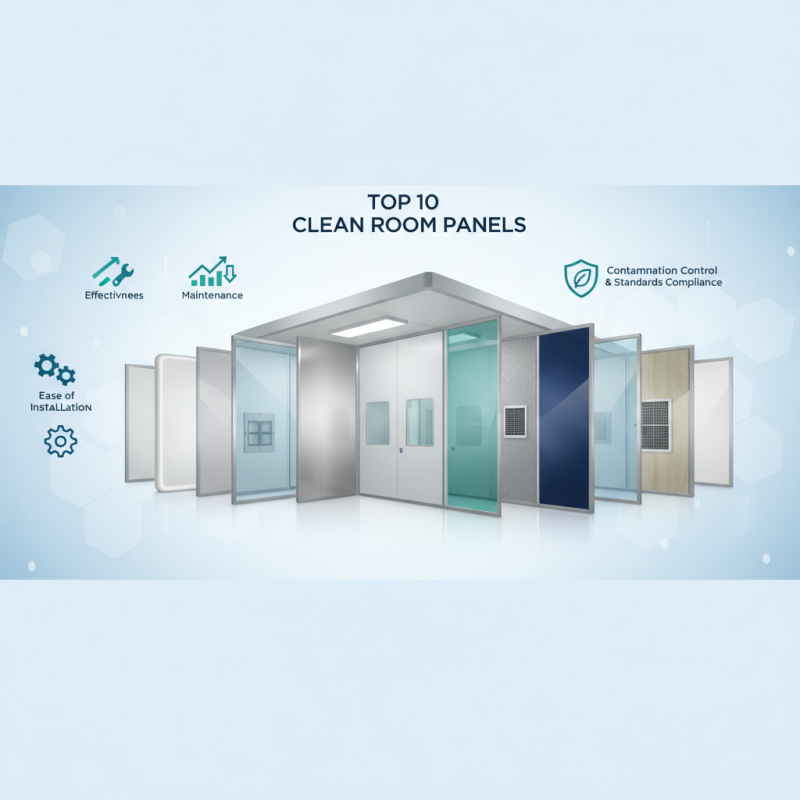
In this article, we will explore the top 10 clean room panels, highlighting their unique features and benefits. By understanding the range of options available, facility managers can make informed decisions that not only enhance the cleanliness of their environments but also contribute to overall efficiency and productivity within their operations.
Understanding Clean Room Panels: An Overview of Types and Materials
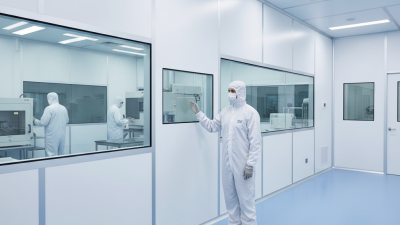
Clean room panels are critical components in maintaining sterile environments in various industries such as pharmaceuticals, biotechnology, and electronics manufacturing. These panels form the walls, ceilings, and sometimes floors of controlled environments, and they come in various types and materials depending on the specific needs of the facility. The most common materials used include vinyl-coated steel, aluminum, and stainless steel, each offering unique benefits such as durability, ease of cleaning, and resistance to corrosion. According to recent industry reports, approximately 60% of clean room failures can be traced back to improper materials used in construction, highlighting the importance of selecting the right type for your application.
When considering clean room panels, understanding the insulation properties is essential. Insulated panels not only contribute to maintaining temperature but also help control humidity levels, which is crucial in preventing contamination. Different construction methods, such as sandwich panels with insulation cores, can significantly enhance a clean room’s efficiency. Reports indicate that implementing high-quality insulation can reduce energy costs by up to 30%, demonstrating the long-term cost benefits of investing in the right materials.
Tips: Always assess the specific contamination control measures you need when selecting clean room panels. Remember that while cost is a factor, opting for lower-quality materials may lead to higher operational costs down the line. Aim to choose panels that are easy to clean and maintain, as this directly impacts the longevity of the clean room environment. Regular evaluations and maintenance checks can ensure your panels remain effective and compliant.
Factors to Consider When Choosing Clean Room Panels for Your Facility
When selecting clean room panels for your facility, several critical factors must be considered to ensure optimal performance and compliance with strict industry standards. The first aspect to evaluate is the material composition of the panels. Common materials include steel, fiberglass, and vinyl, each offering different benefits in terms of durability, ease of cleaning, and resistance to contaminants. Panels should be chosen based on their ability to withstand the specific conditions of your clean room, including temperature and humidity control, as well as their compatibility with the types of processes or products being handled.
Another vital consideration is the panel's design and specifications. Clean room panels must have a smooth, non-porous surface to minimize particle retention and facilitate effective cleaning. It’s also essential to assess the panel thickness, as this impacts insulation, sound absorption, and overall structural integrity. Additionally, the ability to integrate with existing clean room systems, such as HEPA filters and airflow controls, is crucial to maintain air quality and prevent any cross-contamination. Evaluating these factors thoroughly can lead to a well-informed decision that enhances the efficiency and safety of your clean room environment.
Top Features of High-Quality Clean Room Panels You Should Look For
When selecting clean room panels for your facility, there are several key features that ensure both functionality and compliance with cleanliness standards. First and foremost, material composition is critical. High-quality panels are often made from non-porous materials that resist contamination and can be easily sanitized. Look for panels that have a smooth surface and are resistant to chemicals, as these properties enhance durability and facilitate maintenance.
Additionally, the insulation properties of clean room panels play a significant role in temperature and humidity control, essential for maintaining the integrity of sensitive environments. Panels with superior thermal insulation can minimize energy costs while ensuring stable conditions. Furthermore, consider the construction design, including panel thickness and connections, as these factors affect the overall strength and stability of the clean room. Panels should fit tightly together to reduce the potential for air leakage and particulate penetration, ensuring that the controlled environment remains uncompromised.
Comparison of Popular Clean Room Panel Brands and Their Offerings
When it comes to selecting clean room panels for your facility, understanding the various offerings from leading brands is essential. Each brand may specialize in different features, such as antimicrobial coatings, ease of installation, or specific material composition designed to meet stringent cleanliness standards. Careful consideration of these factors can help ensure that your clean room not only meets regulatory requirements but also functions efficiently in maintaining optimal environments for sensitive processes.
Tips for Choosing Clean Room Panels: Always assess the panel's thermal insulation and its ability to withstand humidity and temperature fluctuations. This will play a pivotal role in maintaining controlled environments. Look for panels that offer good soundproofing properties as well, which can improve the overall workplace atmosphere.
Another important factor is the ease of maintenance and cleaning. Select panels with smooth surfaces that can be easily sanitized. This can significantly reduce labor costs and ensure compliance with cleanliness protocols. Additionally, consult industry guidelines to determine the best materials and designs suitable for your specific clean room classification, ensuring the longevity and effectiveness of your clean room environment.
Best Practices for Installation and Maintenance of Clean Room Panels
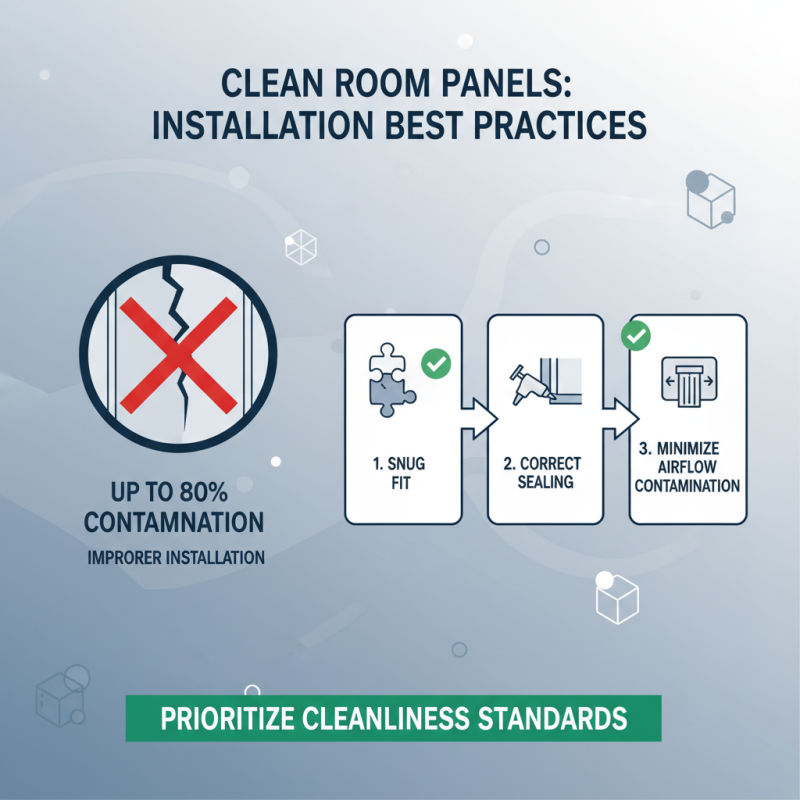
When it comes to clean room environments, the installation and maintenance of clean room panels are crucial for maintaining stringent cleanliness standards. According to a report by the International Society for Pharmaceutical Engineering (ISPE), up to 80% of clean room contamination can be attributed to improper installation and maintenance of equipment and infrastructure. Therefore, businesses must prioritize best practices during the installation process, ensuring that panels are not only fitted snugly but also sealed correctly to minimize airflow contamination.
Routine maintenance is equally essential. The same ISPE report highlights that regular inspections and cleaning of clean room panels can significantly extend their lifespan, reducing operational costs by up to 30%. Establishing a preventive maintenance schedule that includes inspections for wear and tear, proper sealing, and surface integrity can help in early detection of issues, thus ensuring compliance with industry standards. Moreover, utilizing specialized cleaning protocols that align with the panel materials can prevent residues that may compromise clean room conditions, protecting both product integrity and personnel safety. Keeping detailed records of maintenance activities also aids in compliance and operational efficiency.