Top 10 Clean Room Wall Panels You Need for Perfect Sterile Environments
In the realm of controlled environments, "clean room wall panels" play a crucial role in maintaining sterility and overall air quality. As industries like pharmaceuticals, biotechnology, and electronics continue to evolve, the demand for high-performance cleanroom solutions has skyrocketed. According to a recent report by the International Cleanroom Standards Association, the cleanroom market is projected to reach $5.3 billion by 2025, highlighting the increasing importance of such environments for regulatory compliance and product integrity.
Expert in cleanroom technology, Dr. Alan T. Kendrick, states, "The selection of clean room wall panels is pivotal to achieving optimal cleanliness levels, as the right materials can significantly reduce particulate contamination." His insights emphasize that not only do these panels need to provide ease of cleaning and maintenance, but they must also adhere to stringent regulatory standards that govern various industries.
As we delve into the top 10 clean room wall panels essential for perfect sterile environments, it is critical to consider factors such as material composition, flame resistance, and overall durability. By implementing the best clean room wall panels, facilities can enhance operational efficiency, ensure product safety, and maintain compliance with industry standards.

Understanding Clean Room Wall Panels and Their Importance
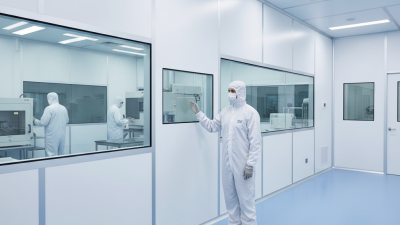
Clean room wall panels play a crucial role in maintaining the sterile environments found in laboratories, pharmaceutical manufacturing areas, and medical facilities. These panels are specifically designed to minimize particulate contamination, which is essential for industries where precision and cleanliness are paramount. Understanding the materials and construction used in these wall panels can help facility managers select the right options that align with their contamination control protocols. They are often made from non-porous surfaces that are easy to clean and resistant to chemicals, making maintenance straightforward while ensuring a long lifespan.
Moreover, the importance of clean room wall panels extends beyond just cleanliness; they also contribute to the overall structural integrity and comfort of the environment. The right panels can help with thermal insulation and sound dampening, creating a more efficient workspace. Since clean rooms must adhere to strict regulatory standards, selecting high-quality wall panels becomes imperative. Proper installation and maintenance of these panels not only support compliance with industry regulations but also enhance safety for personnel working in these controlled environments, ensuring that both product integrity and worker health are prioritized.
Top 10 Clean Room Wall Panels You Need for Perfect Sterile Environments
| Panel Type |
Material |
Thickness |
Fire Rating |
Cleanability |
Cost per Sq Ft |
| Fiberglass Reinforced Plastic (FRP) |
Polyester Resin |
3/16 inch |
Class A |
High |
$2.50 |
| Polyurethane |
Polyurethane Foam |
2 inches |
Class B |
Moderate |
$3.00 |
| Vinyl |
PVC |
1/8 inch |
Class C |
High |
$1.80 |
| Aluminum |
Aluminum Composite Material |
1/4 inch |
Class A |
Moderate |
$4.00 |
| Stainless Steel |
304 or 316 Stainless Steel |
1/8 inch |
Class A |
Very High |
$5.00 |
| Gypsum Board |
Gypsum |
1/2 inch |
Class C |
Moderate |
$1.20 |
| Polypropylene |
Polypropylene Sheets |
1/8 inch |
Class B |
High |
$2.20 |
| HPL Panels |
High-Pressure Laminate |
1/4 inch |
Class A |
High |
$3.50 |
| Fume Hood Panels |
Chemical Resistant Plastic |
3/8 inch |
Class B |
Very High |
$6.00 |
| Ceramic Tiles |
Ceramic |
3/8 inch |
Class A |
High |
$4.50 |
Key Features to Look for in Clean Room Wall Panels
When selecting clean room wall panels, several key features are essential to ensure a sterile and controlled environment. First and foremost, the material of the panels should be non-porous and easy to clean, as contaminants can accumulate in porous surfaces. Common materials include fiberglass-reinforced plastic (FRP) and stainless steel, which are resistant to chemicals and moisture, making them ideal for clean room applications. Additionally, the panels should exhibit a smooth finish to minimize dust accumulation and facilitate sanitization.
Another crucial factor is the panel’s insulation properties. Effective insulation not only helps in maintaining the desired temperature and humidity levels but also contributes to energy efficiency, which is vital in operations involving sensitive materials. Furthermore, consider the panel’s interlocking design and the ease of installation. Panels that fit seamlessly together without gaps can significantly reduce the risk of contamination. Lastly, fire resistance and compliance with industry standards are vital to ensure safety within clean room environments. By prioritizing these features, you can create an optimal setting for sterile operations.
Top Materials Used for Clean Room Wall Panel Construction
When it comes to constructing clean rooms, the choice of wall panels is crucial for maintaining sterile environments. The materials used for these panels must meet stringent requirements, including resistance to contaminants, ease of cleaning, and durability. One of the most commonly utilized materials is steel, particularly stainless steel, due to its non-porous surface and resistance to corrosion. Stainless steel panels are not only robust but also promote a high level of hygiene, making them ideal for medical and pharmaceutical applications.
Another popular option is fiberglass-reinforced plastic (FRP), known for its lightweight and resilient nature. FRP panels provide excellent resistance to chemicals and moisture, which is essential in environments where exposure to various substances is common. Additionally, these panels can be easily sanitized, ensuring compliance with sanitation standards. Another material gaining traction is high-pressure laminate (HPL), which offers a seamless finish that minimizes the risk of dirt accumulation in joints. The versatile nature of HPL allows for creative designs while maintaining the necessary cleanliness and functionality. Each of these materials plays a pivotal role in achieving the perfect sterile environment necessary for critical operations.
Comparative Analysis of the Top 10 Clean Room Wall Panels
When it comes to maintaining sterile environments, the choice of clean room wall panels is critical. This comparative analysis highlights the essential characteristics to consider for optimal functionality and hygiene. First, the material composition of wall panels plays a pivotal role; options such as fiberglass, vinyl, and specialty coatings can provide varying degrees of cleanliness and easy maintenance. Panels need to be non-porous and resistant to chemicals to prevent absorption and growth of harmful microorganisms, ultimately ensuring a safer environment.
Next, the installation and design of clean room wall panels must facilitate thorough cleaning and support air filtration systems. Seamless designs, for instance, minimize crevices where contaminants can accumulate. Additionally, panels should be lightweight yet durable, providing structural integrity while enhancing the ease of installation and future modifications. Evaluating the thermal and sound insulation properties of each panel can also contribute to a more controlled atmosphere critical for sensitive processes. This comparative approach allows facility managers to make informed decisions tailored to their specific clean room requirements, ensuring optimal performance and compliance with industry standards.
Maintenance and Care Tips for Clean Room Wall Panels
Maintaining clean room wall panels requires a strategic approach to ensure they remain in optimal condition for sterile environments. Regular inspections are essential to identify any signs of wear, damage, or contamination. It is advisable to inspect the panels for cracks, stains, or loose seals, as these can harbor bacteria and compromise the cleanliness of the space. Implementing a routine inspection schedule helps prevent larger issues from arising and maintains the integrity of the sterile environment.
Cleaning practices play a crucial role in the longevity and effectiveness of clean room wall panels. Using appropriate sanitizing agents that are compatible with the panel materials is vital. Soft cloths or microfiber materials should be employed to avoid scratching the surfaces while cleaning. Additionally, a systematic cleaning schedule should be established, focusing on frequently touched areas and high-risk zones where contamination is most likely to occur. By combining regular inspections with careful cleaning protocols, the performance and durability of wall panels in clean rooms can be effectively maintained.
Top 10 Clean Room Wall Panels Maintenance and Care Needs