Top Outdoor WPC Wall Panel Options for Global Buyers?
When considering the ideal materials for outdoor spaces, Outdoor wpc wall panels stand out as a practical choice. These panels combine natural wood fibers with plastic, resulting in a durable and weather-resistant building option. They are not only appealing but also provide significant benefits over traditional materials.
Many global buyers seek reliable products that enhance aesthetics and offer longevity. Outdoor WPC wall panels fit this requirement perfectly. They resist rot, insects, and fading from UV exposure. These features make them an excellent investment for homeowners and builders alike. It's essential to evaluate different options on the market to find the best fit for various projects.
While Outdoor WPC wall panels boast numerous advantages, some potential challenges exist. Not all products are manufactured to the same high standards. Some may lack necessary certifications or durability claims. Global buyers should do their research and consult industry experts. By doing so, they can ensure they select quality panels that will stand the test of time.
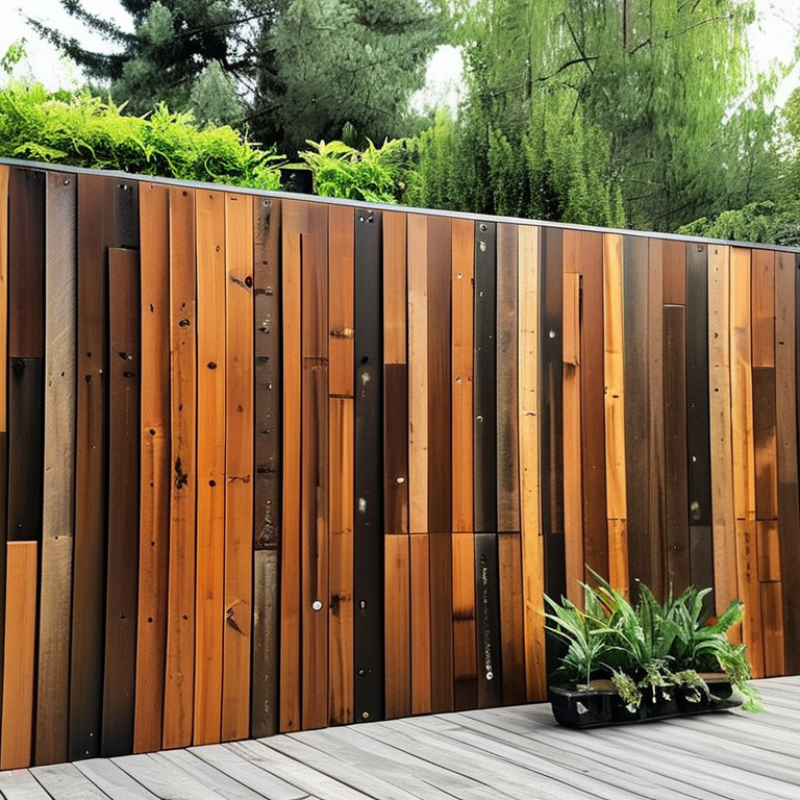
Overview of WPC Wall Panels and Their Benefits
Wood Plastic Composite (WPC) wall panels have gained traction due to their unique combination of materials. Composed of wood fibers and plastic, these panels offer an attractive aesthetic. They mimic the appearance of natural wood while maintaining durability. This balance makes WPC panels ideal for various outdoor applications.
One of the key advantages of WPC wall panels is their resistance to moisture and pests. Traditional wood often succumbs to rot and insect damage. In contrast, WPC stands strong against these issues. This durability not only extends the lifespan of the product but also reduces maintenance costs over time. However, it's essential to consider the environmental impact. While WPC is designed to be more sustainable than traditional materials, production methods can influence its eco-friendliness.
Another benefit is the ease of installation. Many WPC panels come with user-friendly systems that allow for quick assembly. This can save time and labor costs for contractors. Nonetheless, inexperienced users may encounter challenges if instructions are not closely followed. Attention to detail during installation can prevent future problems, such as misalignment or gaps. Choosing the right WPC panel requires careful consideration of climate and application. Different designs may perform better in certain environments.
Key Features to Consider When Selecting WPC Wall Panels
When selecting WPC wall panels for outdoor use, several key features must be considered. Durability is paramount. Look for panels that withstand harsh weather conditions, including moisture, UV exposure, and extreme temperatures. Panels with a higher density often promise better resistance to impact and wear.
Aesthetics play a vital role too. WPC wall panels come in various colors and textures. Choose options that complement your space’s design while also maintaining elegance over time. The appearance of wear can disrupt the visual appeal. Make sure the finish resists fading and staining.
Tip: Always check the warranty details when choosing WPC panels. A longer warranty often indicates confidence in the product’s quality and longevity.
Another crucial factor is the ease of installation. Some panels may require specialized tools or skills. Others can be DIY-friendly, saving both time and money. Assess your own capabilities before purchasing.
Tip: Research installation guides and reviews. Feedback from other users can provide insights into potential challenges. Some panels may promise simplicity but can be tricky without prior experience.
Ultimately, balance between performance and appearance will lead to a satisfying choice. Make informed decisions to ensure your investment stands the test of time.
Top Manufacturers of WPC Wall Panels for International Markets
When exploring WPC wall panel options for global buyers, it's essential to consider the top manufacturers that cater to international markets. Many companies specialize in producing high-quality wood-plastic composite materials. These manufacturers often emphasize sustainability and durability in their designs, addressing the common criticisms of traditional building materials.
When choosing a WPC wall panel, reflect on the material's resistance to moisture and UV rays. This is often a deciding factor in outdoor applications. Look for panels that have been tested in various weather conditions. Such testing is crucial to ensure long-lasting performance.
Tips: Research user reviews and feedback about various top brands. Not all companies offer the same level of support or quality assurance. Consider the environmental impact of the production process. Transparency about sourcing and manufacturing can indicate the reliability of a company.
It’s important to remain cautious when selecting manufacturers. Some may provide misleading information about their product claims. Always ask for certifications or testing reports. This scrutiny can save you from potential issues down the line. Make informed decisions to ensure satisfactory outcomes in your projects.
Comparative Analysis of WPC Wall Panels and Traditional Materials
WPC (Wood Plastic Composite) wall panels are gaining traction among builders and architects. They provide a unique blend of natural and synthetic materials. Compared to traditional materials, WPC panels offer enhanced durability and versatility. Reports indicate that the global WPC market is expected to grow at a CAGR of 10.4% from 2021 to 2028.
Traditional materials, such as wood, require regular maintenance and are susceptible to rot and pests. This can incur high long-term costs. In contrast, WPC panels are resistant to weathering and fungal growth. They are easier to clean and require less upkeep. Yet, there are concerns regarding their overall lifespan compared to solid wood.
WPC panels also boast a lower environmental impact. Data suggests that they can reduce waste by utilizing recycled materials. Traditional wood harvesting poses sustainability challenges. Still, the perception of WPC’s eco-friendliness needs further exploration. Buyers need to weigh durability against potential off-gassing from synthetic components.
The choice between WPC and traditional materials hinges on project goals and budget considerations. Every option has its merits, but understanding these nuances is essential for informed decision-making.
Comparative Analysis of WPC Wall Panels and Traditional Materials
Sustainability and Environmental Impact of WPC Wall Panels
WPC (Wood-Plastic Composite) wall panels are gaining traction in the construction industry. These panels blend wood fibers with plastic, providing durability and aesthetic appeal. A recent market report from Grand View Research indicates that the global WPC market is expected to reach $8.4 billion by 2027. This growth is driven by a heightened awareness of sustainability among consumers.
The environmental impact of WPC wall panels is a significant aspect of their appeal. Unlike traditional wood, WPC does not deplete forests. The production process utilizes post-consumer recycled materials, reducing plastic waste. Studies reveal that sourcing wood from sustainable forests contributes to decreasing carbon footprints. In fact, WPC panels can save approximately 50% of energy compared to conventional building materials. However, concerns regarding the long-term recyclability of WPC items linger.
Despite their many benefits, WPC panels are not without challenges. Some formulations may release volatile organic compounds (VOCs) during their lifecycle. Ensuring proper ventilation in spaces using these materials is essential. Not every WPC product is created equal; buyers should seek certifications that guarantee sustainability and minimal environmental impact. A conscious choice at the point of purchase can lead to a more sustainable future.
Top Outdoor WPC Wall Panel Options for Global Buyers - Sustainability and Environmental Impact of WPC Wall Panels
| Panel Type | Material Composition | Sustainability Rating | Environmental Impact | Lifespan (years) |
| Standard WPC Panel | 60% Wood Fiber, 30% PVC, 10% Additives | Good | Low VOC Emission | 10-15 |
| Premium Eco-Friendly WPC | 70% Recycled Wood, 30% Recycled Plastic | Excellent | Sustainable Sourcing | 15-25 |
| Composite Bamboo Panel | 50% Bamboo Fiber, 50% Recycled Plastic | Very Good | Carbon Neutral Production | 20 |
| Water-Resistant WPC Panel | 80% Wood, 20% Waterproofing Agents | Fair | Less Decomposition | 10-20 |
| Decorative WPC Panels | 50% Wood, 50% Polypropylene | Good | Non-Toxic Finish | 15 |