Top 10 Partition Wall Panels: Enhance Your Space with Stylish Dividers
In contemporary interior design, the desire for versatile and aesthetically pleasing spaces has led to a surge in the popularity of partition wall panels. According to a report by ResearchAndMarkets, the global market for architectural wall panels is projected to reach $10.42 billion by 2025, driven by the increasing emphasis on efficient space management in both residential and commercial environments. These innovative solutions not only enhance the functionality of a space but also elevate its visual appeal, making them an essential element in modern design.
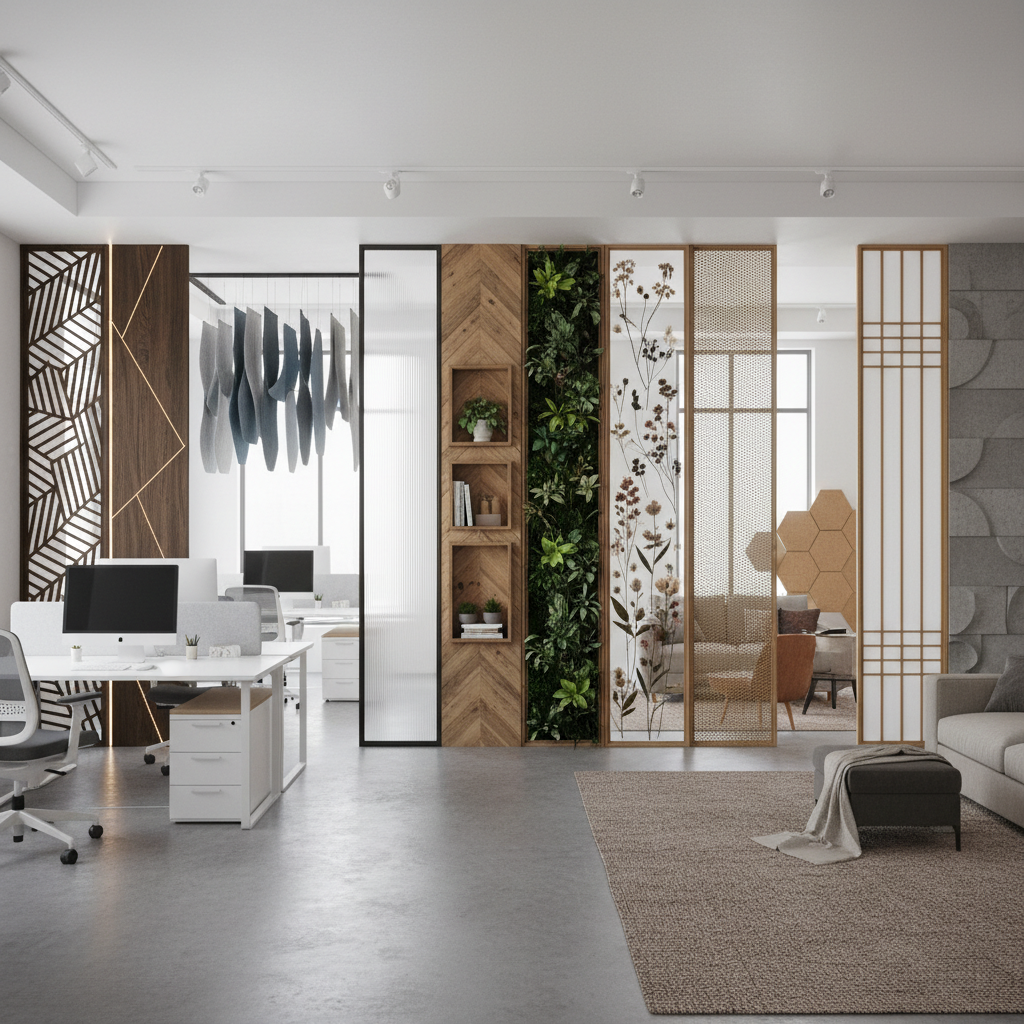 Partition wall panels serve as stylish dividers that enable one to create distinct areas within a larger space, facilitating better organization and privacy. For instance, a survey from IBISWorld indicates that the demand for removable partition systems has grown by approximately 4% annually over the past five years, highlighting the shift towards more adaptable workplace layouts and living spaces. With the ability to customize materials, colors, and finishes, these panels cater to diverse design preferences and practical needs.
In this article, we will explore the top five partition wall panels that not only promise to enhance your space but also reflect the latest trends in functionality and design. Whether you are looking to redefine your office environment or create a cozy nook at home, these stylish dividers are poised to transform your interiors effectively.
Advantages of Using Partition Wall Panels in Modern Interiors
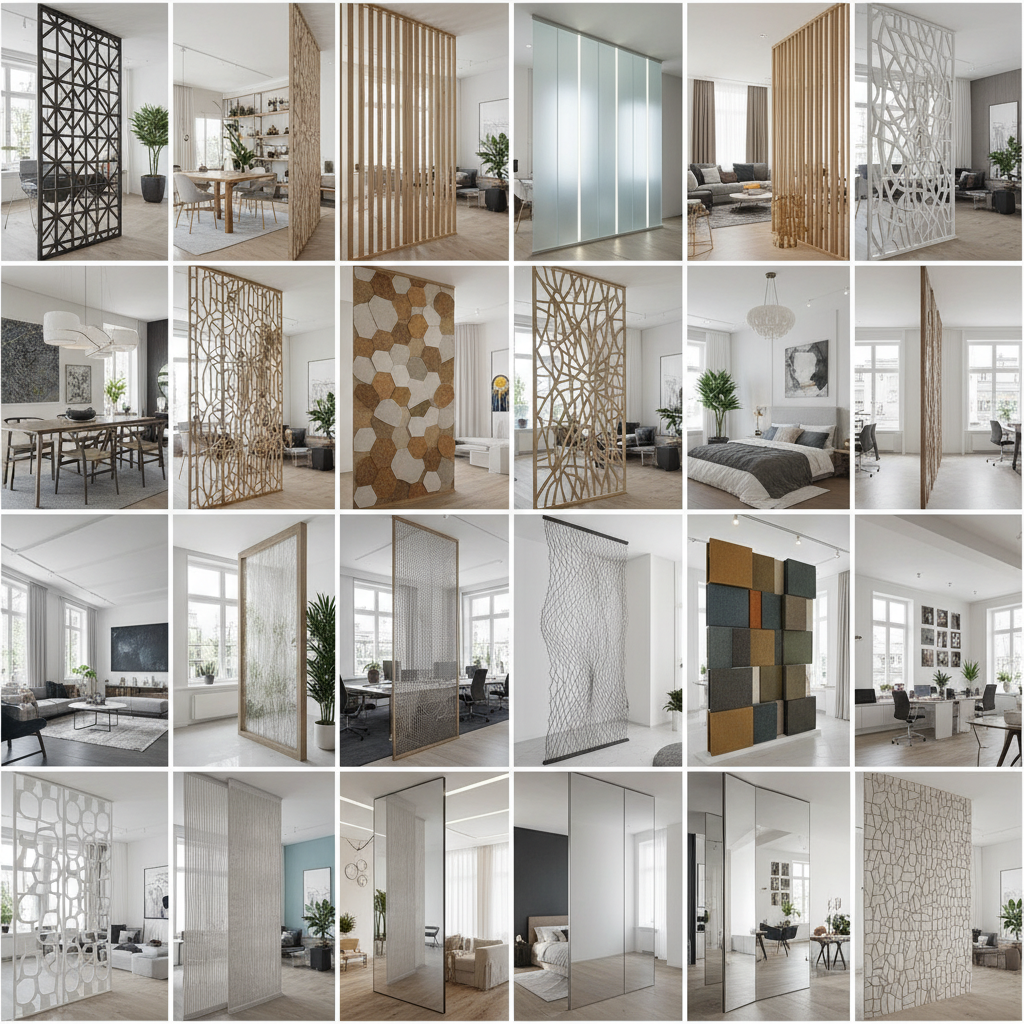 Partition wall panels have become increasingly popular in modern interiors due to their versatility and functionality. One major advantage is their ability to create distinct areas within open floor plans. This is particularly beneficial in homes and offices where maximizing space is essential. By installing stylish dividers, one can effortlessly transition between different zones, such as workspaces, relaxation areas, or dining spots, without the need for permanent walls, thereby allowing for a more fluid living environment.
Additionally, partition wall panels enhance aesthetic appeal, offering both design and décor advantages. They come in a variety of materials, colors, and finishes, allowing homeowners and designers to choose options that complement their existing interior styles. Moreover, these panels can also improve acoustics, reducing noise pollution and creating a more serene environment. The use of decorative partitioning not only provides practical solutions but also elevates the overall ambiance of the space, making it more inviting and stylish.
Current Trends in Partition Wall Panel Designs and Materials for 2025
The design of partition wall panels is evolving rapidly, with 2025 highlighting notable trends in styles and materials. Current industry reports indicate a significant shift towards eco-friendly and sustainable materials, which now account for over 30% of the market share in interior design. This shift not only reflects a growing consumer demand for sustainability but also aligns with broader environmental goals. Products made from reclaimed wood, bamboo, and recycled metal are gaining traction, offering both aesthetic appeal and reduced carbon footprints.
Furthermore, the rise of flexible working environments has increased interest in adaptable partition systems. According to recent market analysis, modular partition wall systems grew by 20% in 2023 alone, and this trend is expected to continue. Businesses seek innovative solutions that allow for quick reconfiguration of spaces to accommodate various needs, from collaborative workspaces to private meeting areas. This growing demand encourages manufacturers to innovate with features such as integrated technology and soundproofing capabilities, creating a multifaceted approach to modern design.
In summary, the partition wall panel industry is experiencing a dynamic transformation driven by sustainability and adaptability, making it an exciting area for both designers and consumers as they prepare for 2025.
Impact of Partition Wall Panels on Acoustic Performance in Shared Spaces
Partition wall panels have become an essential element in modern architecture, not only serving as stylish dividers but also significantly enhancing acoustic performance in shared spaces. According to a report by Armstrong Ceilings, effective sound management can boost productivity by up to 15% in office environments. This is particularly crucial in open-plan settings, where noise can distract and disrupt workflow.
The choice of partition wall panels can greatly influence the acoustic comfort of a space. Panels designed with sound-absorbing materials diminish echo and reverberation, creating a calmer atmosphere. For example, mineral wool acoustic panels can provide an NRC (Noise Reduction Coefficient) rating of up to 0.90, indicating exceptional sound absorption capabilities. Using such high-performance materials not only partitions the space aesthetically but also promotes better sound quality.
**Tips:**
1. When selecting partition wall panels, consider materials with high sound absorption ratings to enhance acoustic performance.
2. Strategically position your dividers; placing them in areas where noise is typically generated can help minimize distractions.
3. Combine different panel types to create both visual interest and optimal sound management in your space.
Top 10 Partition Wall Panels: Enhance Your Space with Stylish Dividers
| Panel Type |
Material |
Acoustic Rating (STC) |
Thickness (mm) |
Dimensions (mm) |
Design Style |
| Folding Panel |
Wood |
30 |
50 |
2000 x 1200 |
Contemporary |
| Glass Partition |
Glass |
35 |
12 |
3000 x 1200 |
Modern |
| Acoustic Movable Wall |
Gypsum Board |
48 |
100 |
2400 x 1200 |
Industrial |
| Fabric Wrapped Panel |
Fabric |
40 |
25 |
1200 x 600 |
Classic |
| Panel with Integrated Storage |
MDF |
32 |
75 |
2100 x 900 |
Functional |
| Sliding Acoustic Panels |
Composite |
45 |
80 |
2400 x 1000 |
Contemporary |
| Movable Glass Walls |
Tempered Glass |
50 |
10 |
3000 x 1500 |
Modern |
| Articulating Partition |
Wood and Fabric |
38 |
40 |
2400 x 800 |
Artistic |
| Eco-Friendly Panel |
Recycled Materials |
30 |
50 |
2100 x 1200 |
Eco-Friendly |
Sustainable Options: Eco-Friendly Partition Wall Panel Materials
When it comes to enhancing your space with stylish partition wall panels, eco-friendly options are becoming increasingly popular. Many interior designers and homeowners are now prioritizing sustainability, recognizing that the materials they choose can significantly impact both the environment and indoor air quality. Eco-friendly partition panels made from recycled wood, bamboo, or rPET (recycled PET plastic) not only offer aesthetic appeal but also reduce the environmental footprint of any living or working space.
In addition to being sustainable, these materials often come with added benefits, such as durability and versatility. For instance, bamboo is known for its rapid growth and strength, making it an excellent choice for partition panels that need to withstand wear and tear. Meanwhile, panels made from recycled materials contribute to waste reduction, providing a second life to products that would otherwise end up in a landfill. By opting for these sustainable wall panel solutions, individuals can create beautiful, functional spaces while supporting a greener planet.
Market Growth Forecast: The Future of Partition Wall Panels Industry through 2025
The partition wall panels industry is poised for significant growth, with forecasts indicating a market expansion driven by increasing demand for versatile interior solutions. According to a recent report by Grand View Research, the global market for partition walls is expected to reach approximately $35 billion by 2025, growing at a compound annual growth rate (CAGR) of about 5.8%. This growth is attributed to the rising trend of urbanization and the need for space optimization in both residential and commercial sectors.
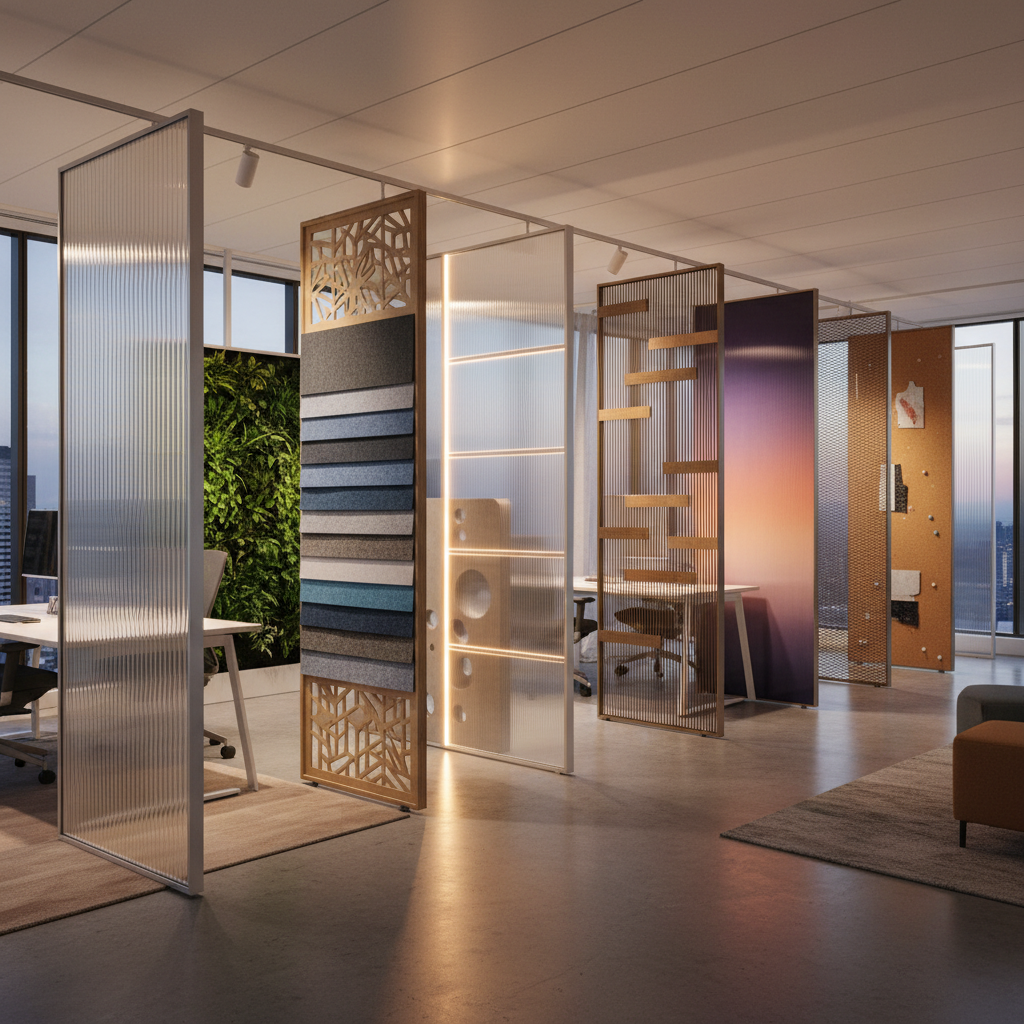
Furthermore, a report from Market Research Future highlights that innovations in materials and design, such as eco-friendly options and modular systems, are reshaping the landscape of partition wall panels. As consumers become more environmentally conscious, the demand for sustainable materials is expected to rise, potentially increasing market share for products made from recycled or low-impact materials. The intersection of aesthetic appeal and functionality in interior design positions partition wall panels as a preferred choice for many, ensuring their relevance in modern architectural practices.