Top Wall Panel Manufacturers in China for Global Buyers

China has become an important sourcing base for wall panels, offering options in wood veneer, PVC, WPC, bamboo fiber, and acoustic finishes. For global buyers, a polished catalog is only the starting point. The practical questions are more specific: How consistent are panel dimensions? Can the finish withstand cleaning? Will the packaging protect corners during a long shipment? Small details matter.

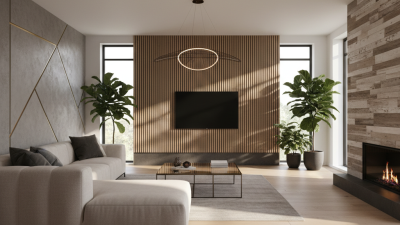
Architect Louis Sullivan’s principle, “form ever follows function,” offers a useful lens for evaluating wall panels. A panel should suit the room, but it must also meet the project’s installation and performance needs. A fluted feature wall in a hotel lobby may prioritize appearance and easy maintenance. Panels for an office may need documented acoustic performance. Buyers should request product specifications, sample pieces, test reports where relevant, and clear details about customization and lead times.

This guide introduces leading wall panel manufacturers in China for international buyers. It compares product ranges, manufacturing capabilities, quality controls, export experience, and communication practices. Those details can help narrow a supplier shortlist before a factory audit or sample order. Still, no ranking can replace direct checks. A sample may look excellent under showroom lighting, yet reveal color variation beside a window. That is easy to overlook. Treat this overview as a starting point, and verify each supplier against your project’s materials, budget, and delivery schedule.
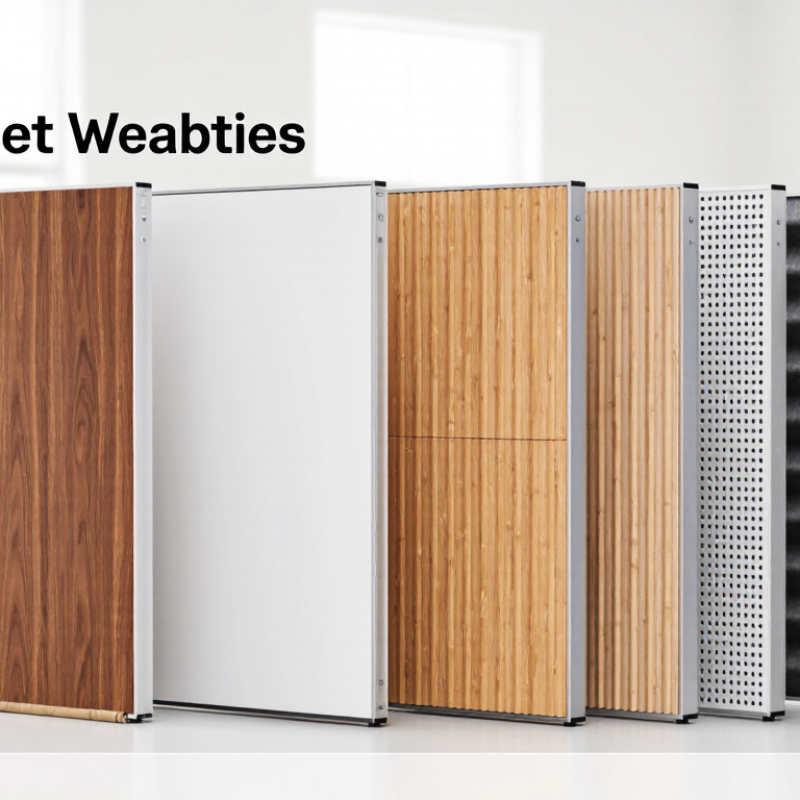
Top Wall Panel Manufacturers in China for Global Buyers

Wall Panel Basics: Types, Materials, and Commercial Applications

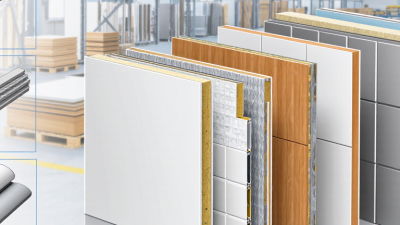
Wall panels cover walls with modular boards, sheets, or narrow strips. They may add decoration, protect busy surfaces, or improve acoustics. Common types include slatted panels, flat decorative boards, acoustic panels, and insulated exterior cladding. Each serves a different purpose. Wood and veneer bring visible grain; PVC and WPC handle occasional moisture; metal and compact laminate suit demanding commercial interiors. Mineral-fiber panels are often selected where sound control matters. No material fits every project.

In offices, panels can define meeting areas and soften echo. Hotels use durable finishes in corridors, where luggage and carts leave marks. Retailers may choose easy-to-clean surfaces around display zones. For kitchens or wash areas, confirm the panel’s moisture limits and installation details. Fire performance, acoustic results, and surface durability vary by construction, not just material name. A small sample can help, but it may not show how joints look across a full wall. That part is easy to underestimate.

Tips: Request current test reports and installation instructions for the exact panel system. Check edge details, cleaning needs, and replacement access. Ask for samples in the project’s lighting; colors can shift under warm LEDs. Leave room for a second opinion—specifications sometimes look clearer than they are.

China’s Supplier Landscape: Panel Systems, Factory Scale, and Export Channels

China’s panel suppliers serve different project needs, from insulated sandwich panels to decorative wall cladding and modular interior systems. A factory’s product range can look broad online, but production depth varies. Ask which panels are made in-house and which components come from subcontractors. Small details matter. Request section drawings, core-material specifications, and finish samples before comparing quotations.

Factory scale affects lead times, customization, and quality checks. Larger plants may offer automated cutting and continuous production lines, while smaller workshops can be more flexible with special dimensions. Neither is automatically the better choice. Review recent production photos and inspection records, then confirm how tolerances are checked. The picture is not always tidy. Sample panels may also differ slightly from full-scale batches.

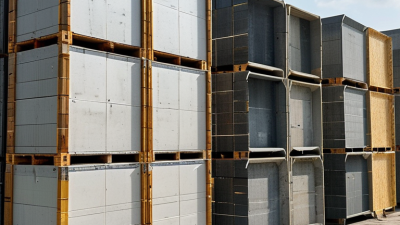
Export channels include direct factory sales, trading companies, and project-based contractors. Each route has trade-offs in communication, technical support, and shipment coordination. Clarify who prepares packing lists, confirms container loading, and handles changes to specifications. Ask for references from comparable overseas projects, not just a general catalogue. A clear quotation should identify panel thickness, coating, packing method, and delivery terms. Gaps in the paperwork deserve attention; they are easy to overlook when schedules are tight.

Manufacturer Screening: ISO 9001, Product Traceability, and Sample Checks

Top Wall Panel Manufacturers in China for Global Buyers

Screening a wall panel manufacturer starts with evidence, not polished sales photos. Ask for the ISO 9001 certificate and check its issuing body, validity dates, and stated scope. The scope should cover relevant manufacturing activities, not only general trading. Request a recent audit summary when available. Small details matter.

Product traceability shows whether quality records connect to actual production. Ask how each panel batch is linked to raw materials, production dates, and inspection results. For a sample order, request the batch number and matching records. Ask for the trail. If answers stay vague, note that as a risk, even when the factory looks organized.

Sample checks should reflect the intended project. Measure panel thickness and dimensions with simple tools, inspect coating and edges under good light, and test how joints fit. Compare the approved sample with panels from a later production run. A sample can be unusually well finished; it cannot prove every shipment will match. Check it yourself. Record defects with photos and measurements, then agree on tolerances and corrective steps in writing. A perfect sample is reassuring, but production consistency deserves closer attention.

Performance Benchmarks: ASTM E84 Class A (FSI 0–25; SDI ≤450)

For global buyers comparing wall panels, ASTM E84 Class A is a useful screening benchmark. ASTM International’s E84 test method measures surface flame spread and smoke development. Class A commonly means a Flame Spread Index (FSI) of 0–25 and a Smoke Developed Index (SDI) of 0–450, consistent with interior-finish classifications in the International Building Code. These are test indices, not ratings of a wall’s fire resistance.

Ask for the full laboratory report, not just a catalog claim. Check that the tested panel matches the offered product in thickness, coating, core, and mounting method. A change in any detail can make the result less relevant. Compare reports from qualified testing laboratories, and confirm which code edition and project requirements apply. A Class A result is meaningful, but it does not describe every fire condition. ASTM E84 does not establish toxicity or prove that a complete wall assembly will resist fire for a set time. That distinction is easy to miss.

Tips: Match the test specimen to the delivered panel. Keep the report and product specification together. If the construction differs, ask the supplier to explain the gap before approval.

Top Wall Panel Manufacturers in China for Global Buyers - Performance Benchmarks: ASTM E84 Class A (FSI 0–25; SDI ≤450)
Panel category Typical construction ASTM E84 Class A benchmark Evidence to request from supplier Key specification checks
Gypsum-faced wall panel Gypsum-based core with paper or other facing; some systems include a decorative finish. Target: FSI 0–25 and SDI ≤450. Performance is not established by the panel category alone. ASTM E84 test report for the exact panel or assembly, identifying the tested configuration and results. Facing, finish, thickness, joints, substrate, adhesive, and installation method.
Fiber-cement panel Cementitious panel reinforced with fibers; surface coatings or laminates may be added. Target: FSI 0–25 and SDI ≤450. Confirm results for the finished product and intended mounting. A traceable report showing the tested product, surface treatment, mounting details, and FSI/SDI values. Coating or paint, panel thickness, backing, air gap, fasteners, and edge or joint treatment.
High-pressure laminate (HPL) panel Decorative resin-impregnated layers pressed into a laminate, typically bonded to a separate substrate. Target: FSI 0–25 and SDI ≤450. Do not assume a laminate result applies to its substrate or installed assembly. Report identifying the laminate grade, substrate, adhesive, and complete tested assembly. Core substrate, adhesive, laminate thickness, backing, joints, and attachment method.
PVC or other polymer wall panel Solid or cellular polymer panel, sometimes with a printed or coated surface. Target: FSI 0–25 and SDI ≤450. Verify the specific formulation and complete tested configuration. Current ASTM E84 report with product identification, measured values, and test mounting details. Polymer formulation, cellular or solid construction, thickness, surface layer, backing, and installation.
Insulated sandwich wall panel Two facings bonded to an insulating core; core and facings vary by product. Target: FSI 0–25 and SDI ≤450. A report for a facing alone does not establish the performance of the full panel. Report covering the complete panel build-up, including core, facings, bond line, and tested orientation. Core type and thickness, facing material, adhesive, joints, panel edges, and support conditions.
Mineral-based decorative wall panel Mineral or cementitious base with a decorative coating, film, or bonded finish. Target: FSI 0–25 and SDI ≤450. The finish and mounting can affect the tested result. ASTM E84 report for the finished panel as supplied, with its test configuration clearly stated. Decorative layer, coating, adhesive, backing, thickness, joints, and installation substrate.
Buyer note: ASTM E84 Class A refers to flame-spread index (FSI) 0–25 and smoke-developed index (SDI) 0–450. These are surface-burning test results, not a fire-resistance rating. Verify the exact product and assembly, report scope, test date, and installation details; a generic material description does not establish compliance.

Global Procurement: MOQ, Lead Time, Incoterms, and Compliance Documents

For global buyers comparing top wall panel manufacturers in China, a low unit price means little without a clear MOQ and production schedule. Ask suppliers to quote by panel type, thickness, surface finish, and packaging method; decorative finishes or custom sizes may raise the minimum order. Request separate lead times for sample approval, production, and dispatch, then add transit and port-handling time. UNCTAD’s Review of Maritime Transport 2024 reported maritime trade growth of 2.4% in 2023, while warning that route disruptions can affect shipping schedules. A factory-ready date is not a delivery date. Details matter.

Set the Incoterm and named location in the purchase contract, using Incoterms 2020. FOB and CIF allocate costs and responsibilities differently, and neither should be treated as a simple price label. Confirm who books freight, arranges insurance, handles export clearance, and bears risk at each handover. Still, estimated lead times are not promises; build in a buffer and agree how delays will be reported.

Before ordering, list the compliance documents required for the destination and intended use. Depending on the panel and market, these may include test reports for fire performance, emissions, or structural properties, plus certificates of origin and product specifications. Ask for reports tied to the exact panel construction and finish, not a similar model. Check issuing laboratory, test method, date, and scope. Missing one detail can stall a shipment—or leave the buyer questioning whether the document actually applies.

China Wall Panel Sourcing: Indicative Lead-Time Ranges

Typical planning estimates in working days for a standard order. These are general benchmarks, not guaranteed supplier commitments.

Sample preparation often takes 7–14 working days, while standard production may take 20–35. Allow additional time for quality checks and export paperwork. MOQ depends on panel material, dimensions, finish, and customization. Confirm the named Incoterm and delivery point in the quotation, and agree on applicable documents—such as the commercial invoice, packing list, bill of lading, and product-specific test or compliance reports—before production.

^