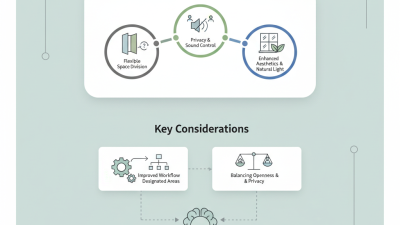
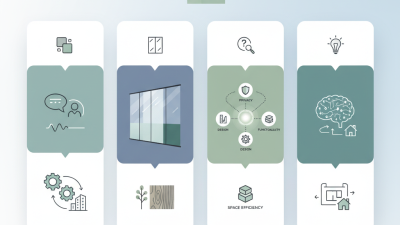
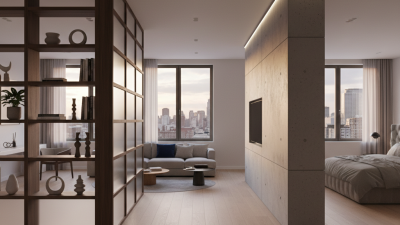
2026 How to Use Partition Panels for Efficient Space Management?
As urbanization accelerates, efficient space management becomes crucial. Recent reports show that over 80% of businesses are prioritizing flexible office layouts to enhance productivity. Partition panels are a vital tool in achieving this goal. They allow organizations to create dynamic work environments that adapt to changing needs.
Industry studies indicate that companies using partition panels see a 30% increase in space utilization. This approach not only maximizes available square footage but also fosters collaboration. However, it's essential to carefully plan how these panels are used. Poorly designed layouts can lead to confusion and inefficiencies, counteracting the benefits.
Moreover, the variety of materials and designs available adds another layer of complexity. Not all partition panels are created equal. Selecting the right type for specific needs can be challenging but critical. An informed strategy that considers both aesthetics and functionality is key to successful implementation.
Understanding Partition Panels and Their Benefits for Space Management
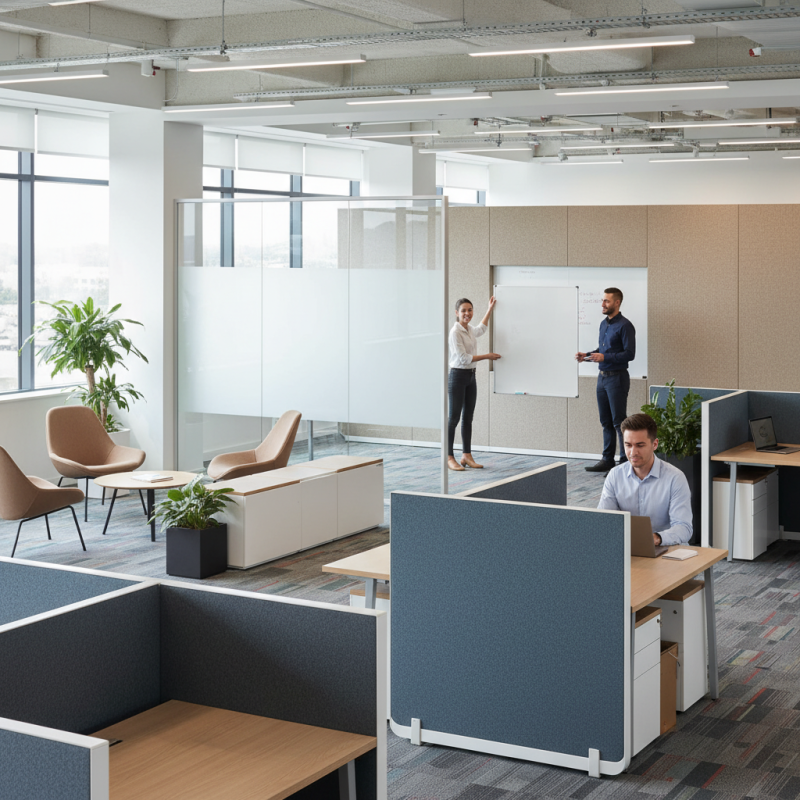
Partition panels can transform any space. They offer flexibility and functionality. These panels are not just barriers; they create distinct areas for different uses. With proper planning, a small office can become a collaborative hub. Departments can operate independently while maintaining an open vibe.
The benefits of partition panels extend beyond mere aesthetics. They can enhance productivity by reducing distractions. For instance, a quiet corner can foster focused work. Alternatively, an open area encourages teamwork. The choice of materials and designs also influences the environment. Thoughtful selections may align with a company’s culture.
Many underestimate the value of partition panels. While they appear simple, installation requires skill. Poorly executed setups can lead to discomfort and inefficiency. It’s crucial to evaluate your needs and preferences carefully. Assess layout, flow, and functionality to utilize panels effectively. Taking time at this stage safeguards against costly mistakes later.
Types of Partition Panels: Materials and Designs for Various Spaces
Partition panels have become essential tools for effective space management. They offer flexibility while enhancing both aesthetics and functionality. Different materials and designs cater to various needs and environments. Selecting the right type can transform an ordinary space into an organized haven.
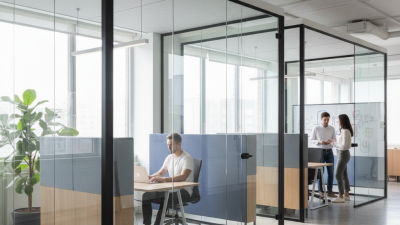
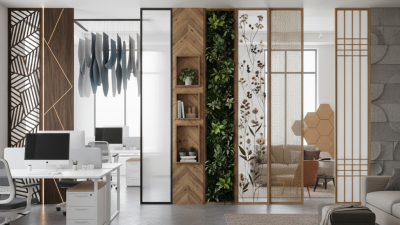
Wooden partition panels add warmth and charm to any room. They work well in homes, offices, and cafes. Their natural texture invites a cozy ambiance. On the other hand, glass panels provide a modern twist. They create a sense of openness while still offering privacy. The light they allow in can make spaces appear larger. For high-traffic areas, consider acoustic panels. They help reduce noise, creating a serene environment.
Tip: Before choosing a partition, define your space's purpose. Consider how often it will be used. This will ensure you select the best materials and designs. Also, think about your aesthetic preferences. Mixing and matching styles can lead to unexpected yet pleasing results.
In some cases, people rush into decisions. They overlook how a panel's color or texture fits the existing décor. Experiment with samples before committing. Ensuring the partitions match your vision is vital for overall harmony in the space. Each choice contributes to the environment's feel and function.
2026: How to Use Partition Panels for Efficient Space Management
This chart illustrates the various types of partition panels and their percentage usage in modern spaces for efficient space management. Wood and glass are the most popular choices, while plastic represents a smaller segment of usage.
Planning Your Space: How to Strategically Use Partition Panels
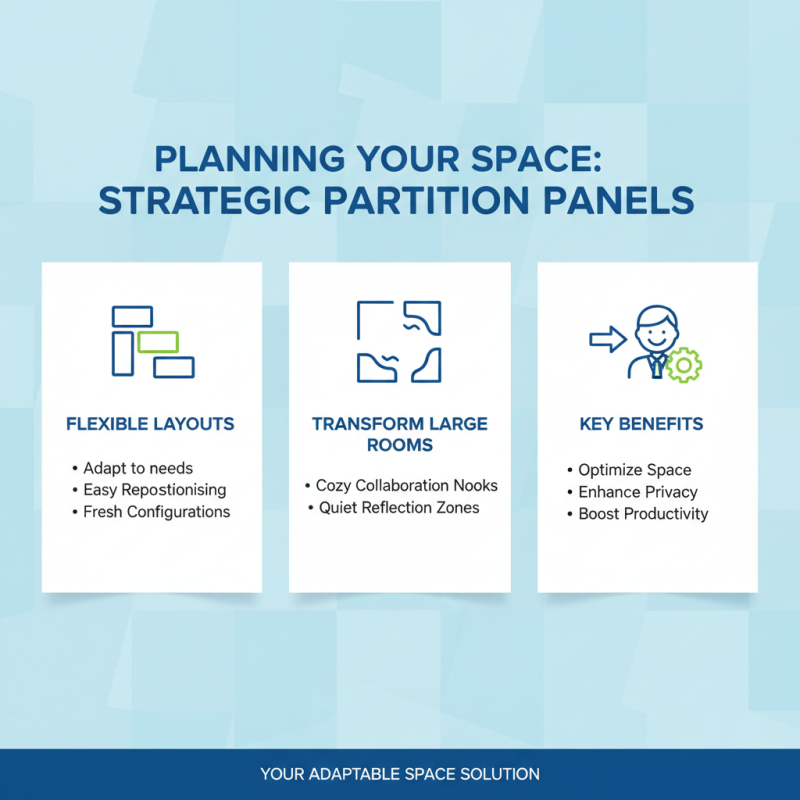
When planning your space, partition panels can serve as a powerful tool. They allow for flexible layouts that adapt to your needs. Imagine a large room transformed into cozy nooks for collaboration or quiet reflection. Panels can be repositioned easily, providing fresh configurations whenever necessary.
Consider the flow of traffic. How people move within your space is essential. Use partition panels to guide pathways while also creating visual boundaries. Small elements, like plants or artwork, can enhance sections without cluttering the space. Think about acoustics as well. Some panels even provide sound dampening, making it easier to focus.
However, it’s not always perfect. You may find that panels limit natural light, which can feel cramped. Experimenting with transparent materials or lighter colors can help. Regularly assess how the partitions affect interaction and productivity. Space management is an ongoing journey, requiring constant reflection and adjustments.
Installation Tips for Effective Use of Partition Panels in Your Space
Partition panels are an excellent solution for optimizing space in various environments. They create designated areas without permanent changes. Proper installation is crucial for maximizing their benefits. Ensuring panels are level and securely anchored adds to their stability.
When installing, consider the layout of your space. Measure each area accurately before making any cuts. This prevents waste and ensures a snug fit. Use quality hardware for mounting to enhance durability. Don’t rush the process; taking your time can lead to better results.
Additionally, maintain flexibility in your design. Moving panels can be beneficial as your needs evolve. Regularly check the alignment and integrity of the panels to ensure they function effectively. Remember, a well-thought-out installation can save time and resources in the long run.
Maintenance and Adaptability: Keeping Partition Panels Functional Long-Term
Maintaining partition panels is essential for long-term functionality. Reports indicate that properly maintained panels can last up to 20 years. However, many facilities overlook basic upkeep. Regular cleaning and inspection can significantly extend their lifespan. Neglect often leads to deteriorated aesthetics and reduced performance.
Adaptability is another key aspect. Partition panels should be easy to reconfigure as needs change. Studies show that 70% of organizations find flexibility in space layout increases employee productivity. Unused or non-adaptable panels can waste valuable resources. Investing in versatile systems allows for seamless transitions between work styles.
Yet, even the best panels can suffer from wear and tear. Signs of wear, like dents or stains, must be addressed promptly. Some users may hesitate to replace panels due to cost. However, proactive maintenance often saves more in the long run. Ignoring these details can turn functional spaces into cluttered environments. Regular assessments help keep panels useful and enhance organizational efficiency.
2026 How to Use Partition Panels for Efficient Space Management? - Maintenance and Adaptability: Keeping Partition Panels Functional Long-Term
| Aspect |
Description |
Benefits |
Maintenance Tips |
| Material |
Various options including wood, glass, and fabric |
Customization for aesthetics and functionality |
Regular cleaning and inspection for wear |
| Configuration |
Flexibility to create open or closed spaces |
Efficient use of floor space and resources |
Check alignment and stability regularly |
| Installation |
Simple modular systems for easy setup |
Quick adaptation to space changes |
Follow manufacturer guidelines for assembly |
| Acoustics |
Sound-dampening materials available |
Improved privacy and concentration |
Replace worn-out soundproofing elements |
| Adjustability |
Easily reconfigured based on needs |
Supports changing team sizes and functions |
Regular evaluation of space effectiveness |