What is Wall Moulding and How Can It Enhance Your Home Design?
Wall moulding is a timeless design element that adds character to any space. It acts as a frame for your walls, enhancing the overall aesthetics of your home. The right wall moulding can transform dull interiors into elegant spaces. Each room can tell its own story with the appropriate moulding style.
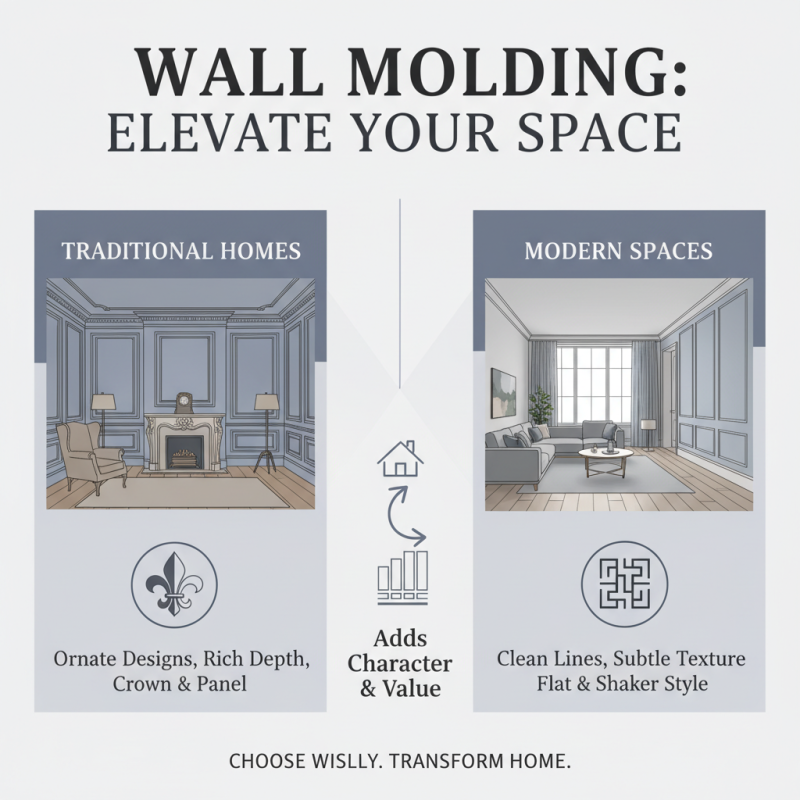
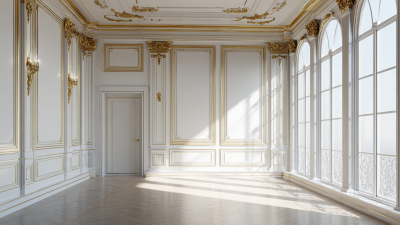
Consider traditional styles like crown or baseboard mouldings. These options provide a classic touch. Alternatively, modern designs can add a sleek, contemporary look. Customizing wall moulding to fit your home’s theme creates a unique atmosphere. However, choosing the wrong type can lead to mismatched styles and disappointment.
Wall moulding serves both beauty and function. It can hide imperfections in walls and protect against wear. Yet, it requires careful planning and execution. Poor installation can detract from its charm. Understanding the balance between function and design is crucial. Ultimately, wall moulding invites reflection on how to elevate living spaces meaningfully.
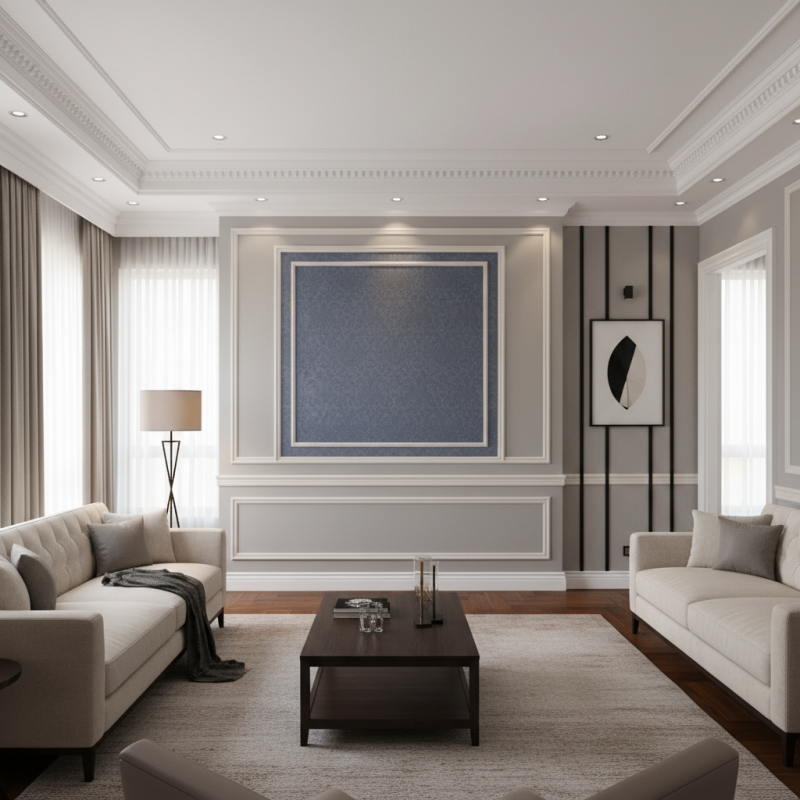
Definition and Overview of Wall Moulding in Interior Design
Wall moulding is a decorative feature in interior design. It adds elegance and character to a space. Moulding can transform plain walls into stylish focal points. There are various types of moulding, such as chair rails, crown moulding, and baseboards. Each type serves a different aesthetic and functional purpose.
Creating a layered look is essential in design. Wall moulding can serve as a backdrop for artwork or mirrors. It enhances the visual appeal of any room. When placed correctly, it creates depth. Consider using contrasting colors to make the moulding stand out. A bold color can highlight a particular area.
Tips for adding wall moulding: Consider the height of your ceilings. Tall ceilings can handle larger moulding styles. For smaller spaces, choose slimmer profiles. Mixing different styles can create unique accents. Don't be afraid to experiment with textures. A subtle texture can add dimension to smooth walls. Remember, it's about personal expression.
Wall Moulding Usage in Interior Design
Common Types of Wall Moulding and Their Characteristics
Wall moulding is a versatile design element used to enhance the aesthetic appeal of interiors. Common types of wall moulding include baseboards, chair rails, and crown moulding. According to the National Association of Home Builders, 75% of homebuyers find moulding features appealing. Baseboards are typically used to cover the joint between the wall and the floor. They can range in height and profile, which allows homeowners to create unique visual effects.
Chair rails serve as a decorative border around rooms. They typically sit about one-third of the way up the wall. These mouldings can break up the visual space, adding interest. A study by the American Institute of Architects indicates that rooms with chair rails tend to feel more balanced. Crown moulding, installed at the junction of walls and ceilings, offers a polished finish. Depending on the design, it can make a room appear taller.
While wall moulding can elevate a home's design, it requires careful installation. Too often, homeowners overlook the importance of accurate measurements. Incorrect cuts can lead to gaps and uneven lines. A mismatched style can also disrupt the overall look. Investing time in selecting the right types and finishes is crucial for achieving the desired effect.
Benefits of Incorporating Wall Moulding in Home Decor
Wall moulding can significantly elevate your home’s aesthetic. It adds depth and character to any space. According to the National Association of Home Builders, homes with decorative trim feature a resale value that can be 1-2% higher. This detail transforms a plain wall into a dynamic canvas.
Incorporating wall moulding offers numerous benefits. It can enhance the overall design while providing a sense of tradition and warmth. Homes with moulding tend to attract buyers, as they reflect a higher perceived value. A recent survey showed that 68% of real estate agents believe that moulding enhances a buyer's impression during showings. Furthermore, moulding helps to draw the eye and create architectural interest.
The downside? Some may feel overwhelmed by the range of styles and types available. This choice can be daunting for homeowners. It’s crucial to choose moulding that complements existing decor. Mixing different styles can lead to a chaotic look. Attention to detail is essential when implementing moulding to avoid a mismatched aesthetic.
Creative Design Ideas Using Wall Moulding to Enhance Spaces
Wall moulding is an effective way to elevate your home design. It introduces architectural detail that can transform simple walls into focal points. According to a recent survey by the American Institute of Architects, 62% of architects agree that moulding enhances the aesthetic appeal of living spaces.
Creative use of wall moulding can redefine any room. For example, consider adding crown moulding to high ceilings. This creates a visual transition between wall and ceiling. Wainscoting, another stylish option, can be installed in dining areas to add depth and texture.
Play with colors to achieve different effects. Light shades can make a room feel larger, while darker choices add drama.
Tip: Choose moulding that complements existing decor. This ensures a cohesive look. Avoid overwhelming spaces with overly intricate designs, as simplicity often packs a powerful punch.
Playing with proportions is also crucial. If a room feels crammed, opt for narrower moulding. It can give the illusion of more space. Experimenting with placement can be a fun journey, but make sure it doesn’t clash with furniture. Achieving balance is key.