Why Wall Panel Design is Essential for Modern Interior Aesthetics?
In today's rapidly evolving interior design landscape, the importance of wall panel design has become increasingly apparent. According to a recent report by the International Interior Design Association (IIDA), nearly 75% of interior designers believe that innovative wall treatments are critical in enhancing the overall aesthetic of modern spaces. The versatility and functionality of wall panels allow for the seamless blending of aesthetic appeal with practical application, a crucial factor in contemporary design projects.
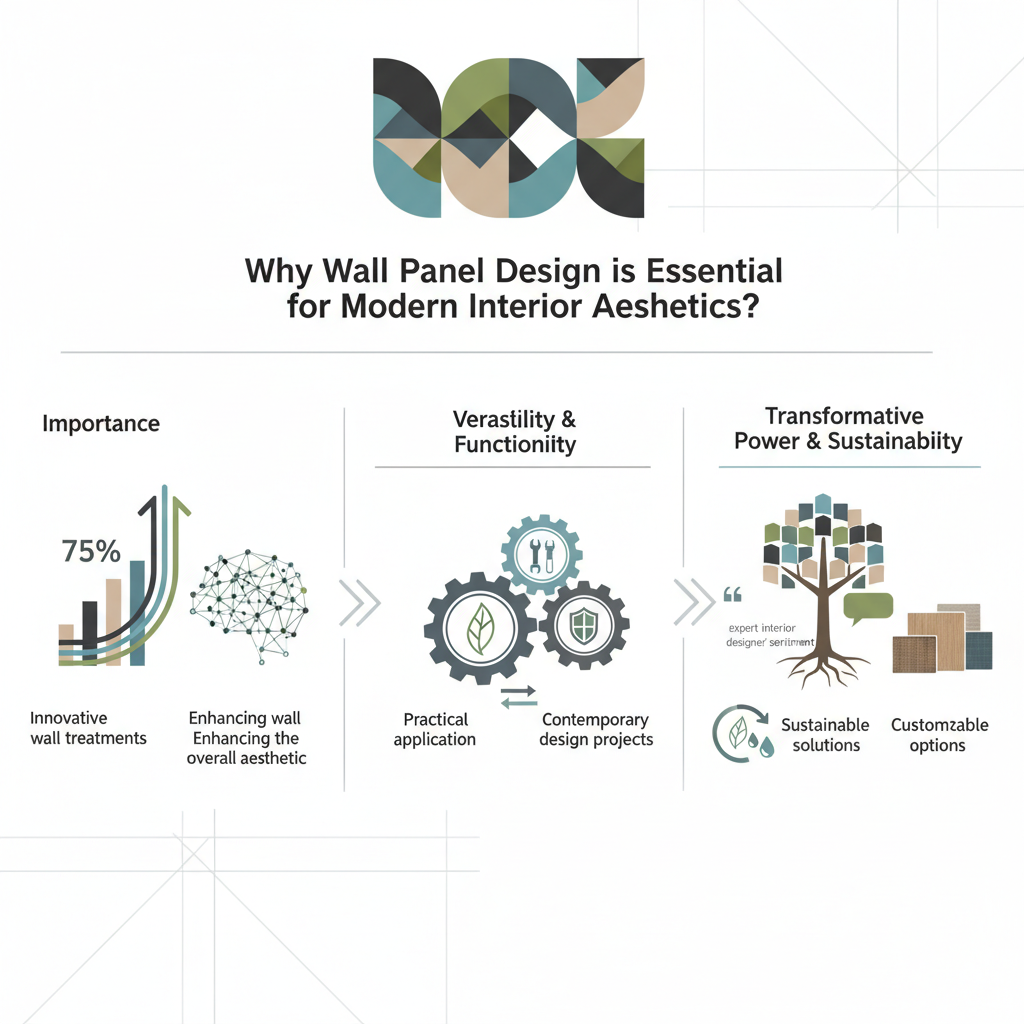
Expert interior designer, Sarah Thompson, emphasizes the transformative power of wall panel design, stating, “Wall panels not only add depth and character to a room but also offer sustainable solutions that reflect the ethos of modern architecture.” This sentiment resonates with the growing demand for sustainable materials and customizable options that cater to the unique preferences of homeowners and businesses alike. As designers continue to explore the boundaries of material and texture, wall panel design stands out as a pivotal element in creating inviting, visually stimulating environments while ensuring functional integrity.
Importance of Wall Panels in Contemporary Interior Design
Wall panels have emerged as a vital component in contemporary interior design, significantly enhancing the overall aesthetic appeal of a space. In modern interiors, the choice of wall finishes can transform an ordinary room into a sophisticated environment. Wall panels not only serve a decorative purpose but also offer practical benefits such as sound insulation and thermal regulation, making them a functional yet stylish option. With various materials available, from wood to metal, and an array of textures and colors, wall panels can be customized to suit any design theme, whether it's minimalist, industrial, or eclectic.
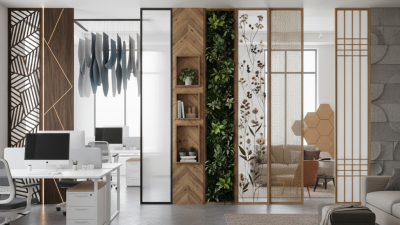
Furthermore, wall panels play a crucial role in defining spaces within open floor plans, providing visual boundaries and enhancing the flow of a home or office. They can highlight particular areas, such as a feature wall behind a sofa or a dramatic backdrop for a dining area, thus creating focal points that draw the eye. In addition, the versatility of wall panels allows designers to express creativity, integrating artistic elements that reflect personal style and brand identity. As interior design continues to evolve, the strategic use of wall panels remains an essential aspect of crafting chic, functional, and visually appealing environments.
Key Elements of Wall Panel Aesthetics in Modern Spaces
Wall panel design plays a crucial role in shaping modern interior aesthetics, offering both functional and visual benefits. The key elements of wall panel aesthetics in contemporary spaces include texture, color, and pattern.
Texture adds a tactile dimension that can elevate a room's ambiance; smooth finishes can create a sleek, minimalist look, while rough or patterned surfaces introduce depth and character.
Tips: When selecting wall panels, consider using panels with varying textures to create a striking feature wall.
To maintain harmony in color, test samples against furniture and decor items before making a final decision. Pay attention to the scale of patterns; larger designs work well in spacious rooms, while subtler patterns are ideal for smaller areas, ensuring that the space feels cohesive and inviting.
Variety of Materials Used in Wall Panel Designs
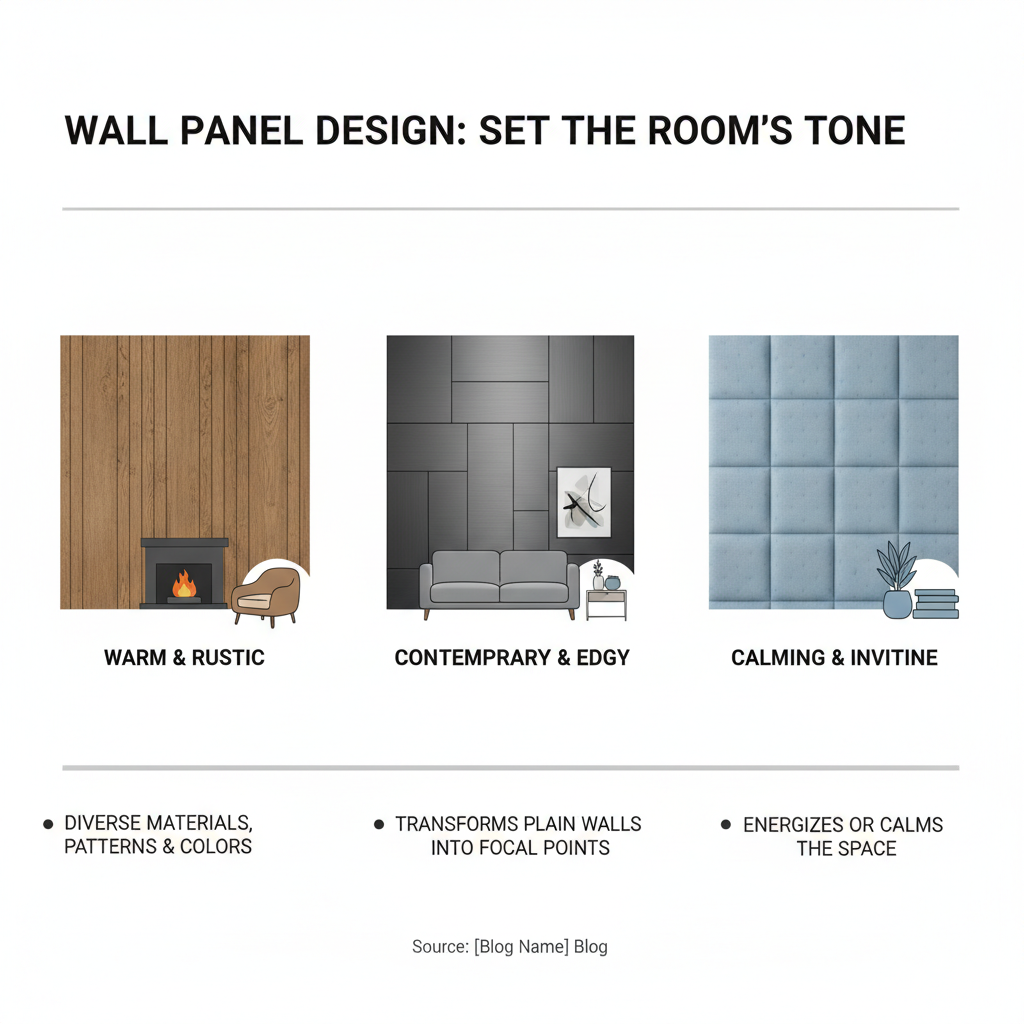
The use of various materials in wall panel designs plays a significant role in enhancing modern interior aesthetics. From wood and metal to fabric and glass, each material brings its own unique texture and visual appeal. Wooden panels are often favored for their warmth and ability to create a cozy atmosphere, while metal panels can introduce a sleek, contemporary edge to a space.
In addition to traditional options, newer materials like acoustic panels and sustainable alternatives are gaining popularity. Acoustic panels not only serve a decorative purpose but also improve sound quality in a room, making them ideal for home theaters or office spaces. Meanwhile, eco-friendly materials, such as bamboo or recycled composites, cater to the growing demand for sustainable interior solutions without compromising on style. The diversity of materials allows designers and homeowners to personalize their spaces and reflect their individual tastes, making wall panel design an essential component of modern interior aesthetics.
Impact of Wall Panel Design on Room Atmosphere
Wall panel design significantly influences the atmosphere of a room, setting the tone for the overall interior aesthetic. The use of diverse materials, patterns, and colors can create a unique ambiance that either energizes or calms a space. For instance, wooden panels often evoke a warm, rustic feel, while sleek metal finishes lend a contemporary edge. When thoughtfully selected, wall panels can transform plain walls into focal points that enhance the character of the room, making it more inviting and visually appealing.
Tips: Consider the size and purpose of the room when choosing wall panels. In smaller spaces, lighter colors can make the area feel more open, while darker hues can add depth and warmth to larger rooms. Mixing textures, such as combining smooth and rough surfaces, can also add visual interest and create a dynamic environment.
Additionally, wall panels can influence acoustics and insulation, contributing to the overall comfort of a space. Upholstered panels, for example, not only provide aesthetic appeal but also help absorb sound, creating a quieter and more intimate atmosphere. Incorporating these design elements allows for a harmonious blend of style and functionality in modern interiors.
Trends in Wall Panel Design to Enhance Interiors
Wall panel design plays a crucial role in shaping modern interior aesthetics, serving as both a decorative and functional element. As the global wood veneer market is projected to expand from $16.36 billion in 2024 to $20.31 billion by 2032, with a compound annual growth rate (CAGR) of 2.7%, it’s clear that the demand for visually appealing wall panels is on the rise. Contemporary trends emphasize the use of sustainable materials and innovative designs that resonate with the minimalist and eco-friendly movements.
Tips for incorporating wall panels in your space include experimenting with textures and colors to create focal points, as well as mixing different materials like wood and metal for a layered look. Additionally, consider using acoustic panels that not only enhance the visual appeal but also improve sound quality in your home, with the acoustic panel market expected to grow significantly by 2032. Embracing these design elements can transform an ordinary room into a stylish and functional haven.
Integrating wall panels can also elevate your overall home décor. By choosing designs that align with the latest trends, such as bold patterns or natural finishes, you can modernize your interiors. As the global home decoration paper market grows alongside these trends, it presents an opportunity to harmonize wall panels with complementary wallpaper for a cohesive look.
Why Wall Panel Design is Essential for Modern Interior Aesthetics? - Trends in Wall Panel Design to Enhance Interiors
| Design Trend |
Description |
Material Used |
Color Palette |
Popularity (1-10) |
| Textured Panels |
Panels that incorporate 3D textures for depth. |
Wood, MDF |
Natural tones, Earthy colors |
8 |
| Eco-Friendly Panels |
Sustainable materials designed for minimal environmental impact. |
Bamboo, Recycled wood |
Greens, Blues |
7 |
| Bold Patterns |
Panels featuring vibrant patterns and designs. |
PVC, Laminates |
Bright colors, Abstracts |
9 |
| Minimalist Designs |
Sleek and simple paneling that emphasizes clean lines. |
Gypsum, Particleboard |
White, Gray |
10 |
| Industrial Chic |
Rugged and raw finishes that evoke an industrial feel. |
Metal, Concrete |
Black, Rust |
6 |