Why Wall Panel Design Is Essential for Modern Interior Aesthetics and Functionality
In the ever-evolving landscape of interior design, wall panel design has emerged as a key element in enhancing both aesthetics and functionality in modern spaces. According to a 2020 study by Grand View Research, the global interior wall panels market is anticipated to reach USD 11.7 billion by 2027, growing at a CAGR of 5.1%. This surge underscores the increasing recognition of wall panels not just as structural components but as vital elements influencing the overall ambiance and appeal of interiors.
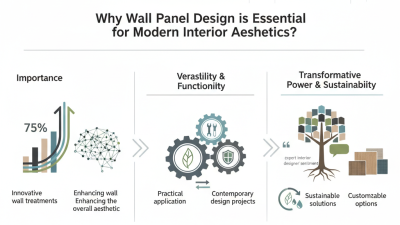
The appeal of wall panel design lies in its versatility. It offers opportunities for customization that reflect personal style while fulfilling practical needs such as insulation and soundproofing. Research published in the Journal of Interior Design highlights that well-designed wall panels can significantly elevate the perception of space, leading to enhanced user satisfaction and improved functionality. As homeowners and designers alike seek innovative solutions to optimize their environments, the strategic use of wall panels will continue to play a crucial role in the design narrative, bridging the gap between utility and beauty.
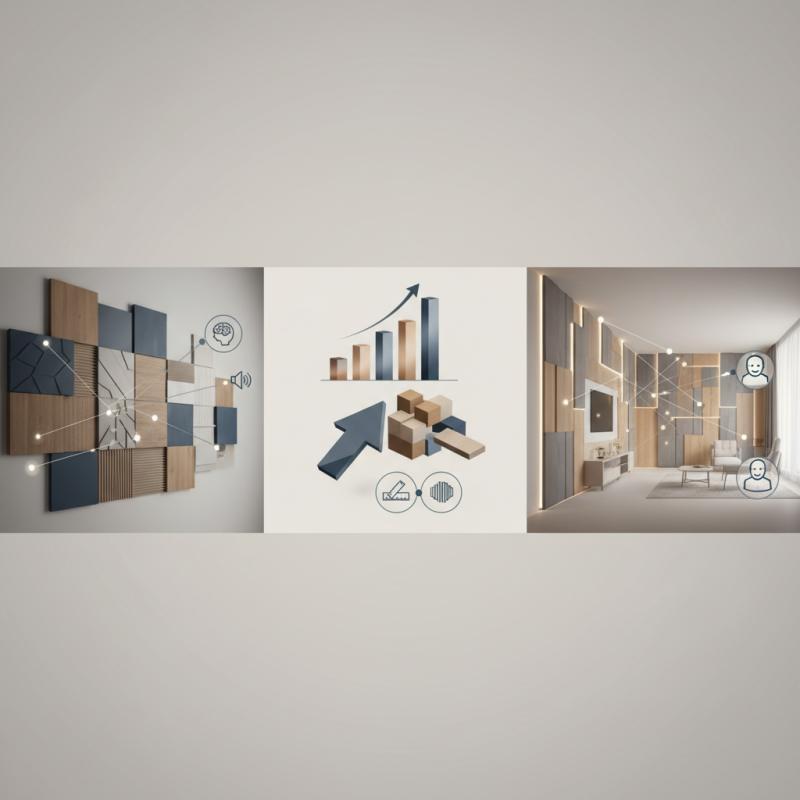
The Historical Evolution of Wall Panel Design in Interior Spaces
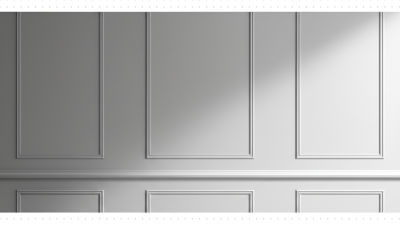
The evolution of wall panel design has played a crucial role in shaping interior spaces throughout history. From the ornate wooden panels of the Renaissance, which signified wealth and status, to the minimalist designs prevalent in contemporary architecture, wall panels have continuously adapted to reflect the cultural and artistic movements of their time. According to a report from the International Panel Products Industry, the global demand for decorative wall panels has been forecasted to grow by approximately 5% annually through 2026, driven by a resurgence of interest in interior design and sustainability.
Historically, wall panels served not just an aesthetic purpose but also a functional one, offering insulation and protection against the elements. In the 18th century, the use of wainscoting became popular, particularly in Europe and North America, as it provided both an elegant finish and practical benefits. Modern wall panel designs now incorporate advanced materials like MDF and eco-friendly options, catering to an environmentally conscious market. Research from the U.S. Green Building Council indicates that sustainable design practices, including the use of recycled materials in panels, are increasingly becoming a priority for homeowners and designers alike, illustrating the ongoing significance of wall panel design in the modern aesthetic landscape.
Historical Evolution of Wall Panel Design in Interior Spaces
Key Elements of Modern Wall Panel Materials and Technologies
Modern wall panel materials and technologies have revolutionized interior design, blending aesthetic appeal with functionality. According to a report by MarketsandMarkets, the global wall panel market is expected to reach USD 48.82 billion by 2025, reflecting a compound annual growth rate (CAGR) of 7.9%. This growth indicates a rising preference for customizable and sustainable interior solutions. Key elements driving this trend include the use of advanced materials such as PVC, MDF, and natural wood. These materials not only enhance the visual appeal of a space but also provide practical benefits such as insulation, sound absorption, and durability.
Innovations in wall panel technology have further enriched modern interior design. Modern wall panels often incorporate features like pre-finished surfaces and easy installation systems, which can reduce labor costs by up to 30%, according to industry research. Additionally, eco-friendly options, such as recycled materials and low-VOC finishes, are becoming increasingly popular as consumers prioritize sustainability in their design choices. As homes and offices strive to create unique and inviting environments, the integration of advanced wall panel technologies continues to play a crucial role in achieving both aesthetic and functional goals in modern interiors.
Why Wall Panel Design Is Essential for Modern Interior Aesthetics and Functionality
| Material Type |
Aesthetic Value |
Functional Benefits |
Technological Features |
| Wood Paneling |
Warm and inviting appearance |
Excellent insulation properties |
Sustainable sourcing options |
| Metal Panels |
Sleek and modern look |
Durability and low maintenance |
Fire resistance and sound-proofing |
| PVC Panels |
Variety of colors and finishes |
Water-resistant and easy to clean |
Lightweight and easy to install |
| Fabric Wall Panels |
Soft and textured finish |
Improves acoustics and warmth |
Variety of designs; custom fitting |
| Stone Veneer Panels |
Natural and elegant appearance |
High durability and thermal mass |
Easy installation with adhesive |
The Impact of Wall Panel Design on Interior Aesthetics
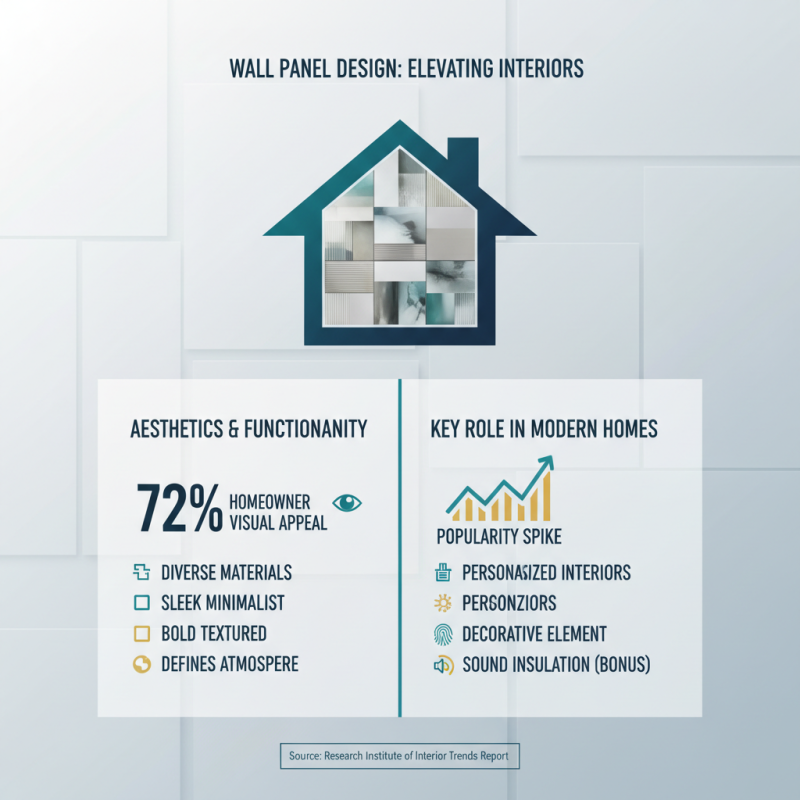
In contemporary interior design, wall panel design plays a pivotal role in enhancing both aesthetics and functionality. According to a report by the Research Institute of Interior Trends, over 72% of homeowners believe that wall paneling significantly influences the visual appeal of their living spaces. This popularity can be attributed to the diverse materials and styles available, allowing for personalized and distinctive interiors. From sleek, minimalist designs to bold, textured options, wall panels serve not only as decorative elements but also as powerful tools for defining the overall atmosphere of a room.
Moreover, wall panel design impacts spatial perception and light distribution. A study conducted by the Journal of Interior Architecture revealed that the strategic use of wall panels can alter the perceived size of a room by as much as 15%. Light-colored panels can make spaces feel more open and airy, while darker tones can create a cozy, intimate environment. Additionally, sound-absorbing panels contribute to improved acoustics, underscoring the functional advantages of well-designed wall surfaces. As the demand for innovative and visually engaging interior design continues to rise, wall paneling remains a vital component in achieving both aesthetic appeal and practical benefits in modern interiors.
Functional Benefits of Wall Panels for Space Optimization and Insulation
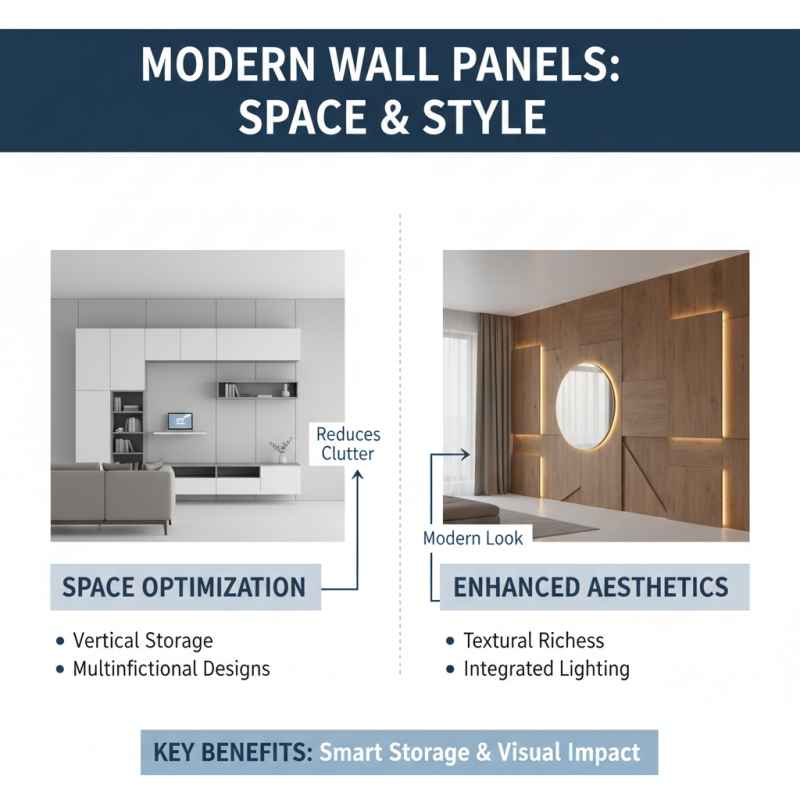
Wall panels play a pivotal role in modern interior design, not only contributing to aesthetics but also providing essential functional benefits. One of the primary advantages of wall panels is their capability for space optimization. In smaller living or working environments, strategically placed wall panels can create the illusion of expanded space. By implementing vertical storage solutions and multifunctional designs within these panels, homeowners and designers can utilize wall surfaces effectively, keeping clutter at bay and enhancing the overall spatial arrangement.
Another significant function of wall panels is their contribution to insulation. High-quality wall panels can effectively regulate temperature and sound within a space, enhancing comfort for occupants. Insulated wall panels reduce the need for excessive heating or cooling, leading to energy savings and a reduced carbon footprint. Additionally, they provide acoustic benefits by minimizing noise pollution, which is especially important in urban settings or shared living spaces. This combination of thermal efficiency and sound control makes wall panels an invaluable asset in contemporary interior design, marrying functionality with an aesthetic appeal.
Trends in Wall Panel Design: A Blend of Style and Practicality
In recent years, wall panel design has evolved to meet the increasing demand for both aesthetic appeal and functionality in modern interiors. A survey by the American Institute of Architects (AIA) indicates that over 70% of homeowners now prioritize design features that enhance their living spaces, leading to a surge in innovative wall panel options. This trend reflects a growing interest in creating personalized environments that blend style with practicality.
One notable trend is the use of sustainable materials in wall panels. As homeowners become more environmentally conscious, panels made from reclaimed wood, recycled plastics, and other eco-friendly materials are gaining popularity. According to a report from Allied Market Research, the green building materials market, including wall panels, is projected to reach $337 billion by 2027. This shift not only contributes to sustainability but also adds a unique character to spaces, resonating with the individuality that modern design trends celebrate.
Tips: When selecting wall panels, consider the harmony of colors and textures in your space. Darker panels can create a cozy atmosphere, while lighter shades may enhance openness. Additionally, integrating adjustable lighting can highlight the panel's texture and beauty, adding depth and versatility to your interior design. Remember to balance aesthetics with functionality, ensuring that your wall panels serve practical purposes, such as sound insulation or thermal regulation.