
What Are the 2026 Best Outdoor Post Lights?

Choosing the best Outdoor Post Lights in 2026 requires more than comparing attractive product photos. A reliable guide should examine brightness, weather resistance, energy use, installation, and long-term maintenance. A lantern may look impressive beside a driveway, yet perform poorly after months of rain, dust, and freezing temperatures.

Real-world performance matters. Look for corrosion-resistant materials, sealed electrical compartments, stable mounting plates, and replaceable components. LED models usually reduce energy consumption and offer longer service life, but their light color and beam spread can change the atmosphere dramatically. Warm white light can make a garden feel inviting. Cooler light may improve visibility but appear harsh near natural stone or wood.

This guide will compare Outdoor Post Lights for entrances, pathways, gardens, and larger properties. It will consider manufacturer specifications, user experiences, warranty terms, and installation requirements. Independent testing is useful, although it does not replace careful site inspection. Local electrical rules should also be checked before installation, especially for buried wiring and outdoor connections.

There is no perfect fixture.

Some stylish designs sacrifice easy cleaning. Some solar options lose brightness during cloudy weeks. Even well-reviewed products can disappoint when installed at the wrong height or angle. The best choice depends on your climate, landscape, security needs, and available power. By examining these details honestly, this guide aims to identify practical 2026 options, not simply the most eye-catching ones.
What Are the 2026 Best Outdoor Post Lights?

What Defines the Best Outdoor Post Lights in 2026?

What defines the best outdoor post lights in 2026 is more than appearance.

It begins with safe construction, useful illumination, and resistance to changing weather. In practical evaluations, inspect the housing, lens, fasteners, and cable entry. A sealed fixture with an IP65 rating can handle dust and strong water jets, but it is not designed for submersion. Coastal homes need extra attention because salt air can corrode ordinary metal quickly. Small details matter.

Light quality shapes the whole entrance.

A downward shield reduces glare for drivers, guests, and nearby windows. Warm light around 2700K to 3000K often makes stone paths feel welcoming without looking harsh. For a narrow walkway, moderate brightness usually works better than excessive output. I once preferred a brighter fixture, but it created sharp shadows beside the steps. That choice needed rethinking. Motion sensors can save energy, although poor positioning may trigger them whenever a branch moves.

Reliable installation is equally important.

The post should remain steady after heavy rain and seasonal ground movement. Use weather-rated wiring, proper drainage, and connections protected from moisture. Local electrical rules may require a qualified electrician, especially for buried cables or mains-powered systems. Choose replaceable parts when possible, because a beautiful fixture becomes wasteful when one failed component ends its useful life. Check the light after several weeks, not just on the first evening. Looks can mislead.

Main Types and Essential Features of Outdoor Post Lights

What Are the 2026 Best Outdoor Post Lights?

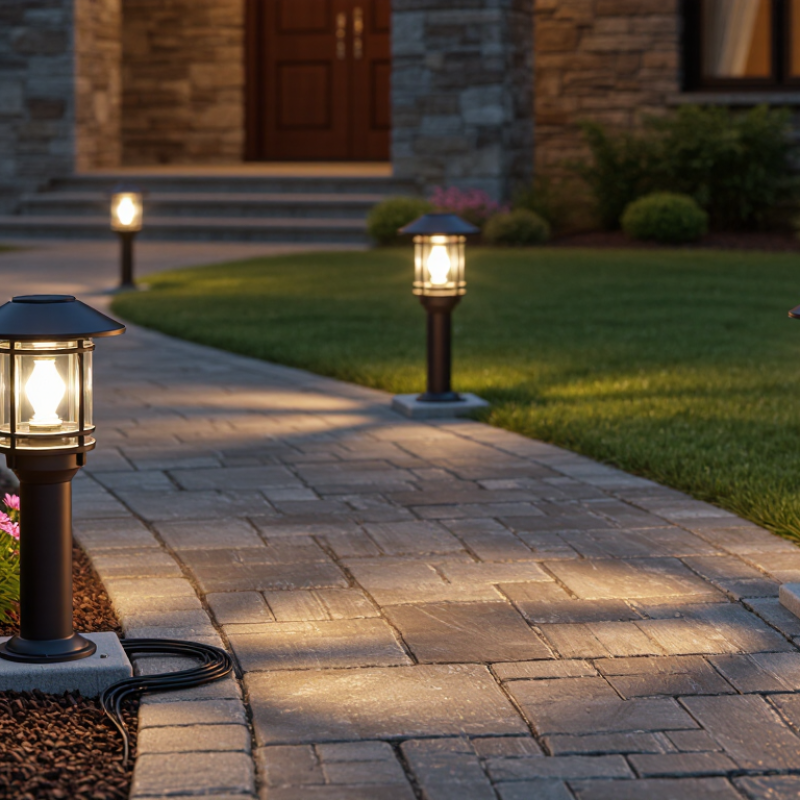
Outdoor post lights now come in several practical forms. Traditional lanterns suit entrances and garden walls. Bollard lights create low, even guidance along paths. Solar post lights simplify installation, while low-voltage models offer steadier output. Mains-powered fixtures remain useful for long driveways and larger properties. In 2026, the best choice depends on placement, climate, and control needs, not appearance alone.

Efficiency matters. ENERGY STAR reports that certified LED lighting uses at least 75% less energy and lasts up to 25 times longer than incandescent lighting. The International Energy Agency estimates lighting consumes about 15% of global electricity. These figures support LEDs, but brightness still requires judgment. A higher lumen number is not always better. Around a narrow path, excessive output can create glare and dark pockets.

Look for an IP65 or higher rating in exposed locations, especially near sprinklers or coastal air. Choose 2700K–3000K light for a softer residential setting. A CRI of 80 or above helps reveal natural stone, plants, and pavement colors. Full-cutoff designs reduce upward spill and protect nighttime visibility. Photocells, timers, and motion sensors can reduce wasted operating hours. Corrosion-resistant housings and sealed drivers also matter. I have found that cheap finishes often fail before the LEDs do. That is frustrating, but it is worth checking replaceable parts, installation height, and warranty terms before buying.

What Are the 2026 Best Outdoor Post Lights?

Typical lumen ranges by outdoor post-light application

Lower-lumen pathway lights are designed for gentle guidance, while driveway, entryway, and security post lights require progressively more illumination. For 2026 installations, efficient LED sources, dusk-to-dawn photocells, weather-resistant construction, and an outdoor rating of at least IP44 are essential features. Choose higher IP ratings for locations exposed to heavy rain, splashing, or coastal conditions.

How to Compare Brightness, Power Sources, Materials, and Durability

Choosing the 2026 best outdoor post lights starts with the scene, not the fixture. Measure path width and mounting height. A small garden path needs modest brightness, while a driveway needs broader, even output. Lumens describe total light, but beam spread matters just as much. Warm light around 2700K to 3000K usually feels comfortable outdoors. Very bright, cool light can create glare. In practical testing, attractive samples sometimes illuminate poorly after installation. That lesson is easy to miss.

Power source changes maintenance. Hardwired lights provide steady output and suit frequent use, but installation requires weather-safe connections and suitable controls. Solar models avoid trenching and work well in sunny, open areas. Their performance can fall after cloudy days or winter shading. Battery backup helps, though it adds another part to inspect. Low-voltage systems balance reliable lighting and simpler installation when a suitable transformer is available. Check actual operating hours, not only advertised peak figures. Numbers can flatter.

Material selection affects appearance and service life. Powder-coated aluminum is light and resists routine corrosion, while suitable stainless steel offers greater strength. Plastic housings can perform well, but brittle parts may age faster in strong sunlight. Look for sealed joints, drainage paths, UV resistance, and an IP rating suited to exposed weather. Also inspect screws and lens fit. A sturdy body cannot compensate for weak hardware. I prefer slightly dimmer fixtures with replaceable components over maximum brightness. However, replaceability is not always guaranteed, so verify the manual and warranty terms.

What Are the 2026 Best Outdoor Post Lights? — How to Compare Brightness, Power Sources, Materials, and Durability
Light Type Typical Brightness Power Source Operating Cost and Runtime Common Materials Weather Resistance Expected Service Life Best Use Overall Assessment
Solar LED Post Light 10–200 lumens Brightness depends heavily on panel size, battery capacity, and sunlight. Integrated solar panel with rechargeable lithium-ion or NiMH battery No grid electricity required; typically 6–12 hours after a full charge Cloudy weather and winter conditions can reduce runtime. Powder-coated aluminum, stainless steel, plastic, or glass Usually rated IP44–IP65 IP65 offers stronger protection against dust and water jets than IP44. LED module: approximately 25,000–50,000 hours; battery: commonly 2–5 years Pathways, garden borders, driveways, and locations without wiring Best for easy installation
Low-Voltage LED Post Light 200–1,000 lumens Provides more consistent illumination than most solar models. 12- or 24-volt outdoor transformer system Low electrical consumption; commonly 3–15 watts per fixture Requires buried or concealed outdoor-rated cable. Aluminum, brass, copper, stainless steel, tempered glass, or UV-stabilized polymer Usually IP54–IP65 LED module: approximately 30,000–50,000 hours; housing life varies by material and maintenance Landscape lighting, walkways, patios, and driveways Best overall balance
Hardwired AC LED Post Light 500–2,000+ lumens Suitable when broad area lighting and high output are priorities. Direct connection to a 120-volt or regionally compatible outdoor circuit Commonly 8–30 watts per fixture; may require professional installation Aluminum, steel, brass, copper, polycarbonate, or glass Commonly IP44–IP65; installation must include suitable outdoor wiring and seals LED module: approximately 30,000–50,000 hours; replaceable drivers can extend useful life Entrances, large driveways, security zones, and frequent-use outdoor areas Best for maximum brightness
Integrated LED Post Light 300–1,500 lumens Output is generally more efficient than traditional bulb-based fixtures. Solar, low-voltage, or hardwired versions are available Typically 3–20 watts, depending on lumen output and control features Aluminum or die-cast metal body with polycarbonate or glass lens Usually IP54–IP65 LED module: approximately 30,000–50,000 hours; non-replaceable designs may require full fixture replacement Modern landscape designs, entry posts, and energy-conscious installations Best for efficiency
Replaceable-Bulb Post Light Approximately 400–1,600 lumens Brightness depends on the bulb selected and the fixture's maximum wattage. Usually low-voltage or hardwired AC Depends on bulb efficiency; LED bulbs commonly use 4–15 watts Aluminum, steel, brass, copper, glass, or durable plastic Usually IP44–IP65 Fixture life varies; LED bulbs commonly last 15,000–25,000 hours Users who want easy bulb replacement or adjustable color temperature Best for maintainability
Motion-Sensor LED Post Light 300–1,500 lumens Many models use a lower standby level and increase output when motion is detected. Solar, battery-assisted, low-voltage, or hardwired AC Can reduce operating time and energy use; sensor range is often 3–10 meters Aluminum, stainless steel, polycarbonate, or tempered glass Commonly IP44–IP65 LED module: approximately 25,000–50,000 hours; sensors may require replacement sooner in harsh conditions Security lighting, side gates, garages, and infrequently used pathways Best for security and savings
Decorative Lantern-Style Post Light 100–800 lumens Designed primarily for ambiance; transparent or frosted lenses affect usable light. Solar, low-voltage, or hardwired AC Usually low to moderate consumption; decorative designs may prioritize appearance over output Powder-coated aluminum, steel, brass, copper, glass, or polycarbonate Commonly IP44–IP54; verify sealing around the roof, lens, and electrical entry points LED module or bulb life varies from approximately 15,000–50,000 hours Porches, garden entrances, courtyards, and traditional exterior designs Best for appearance
Commercial-Grade LED Post Light 1,000–6,000+ lumens Optics may distribute light asymmetrically for roads, parking areas, or large paths. Hardwired AC, low-voltage systems, or solar with large battery storage Commonly 20–80 watts; higher initial cost but efficient for large-area illumination Die-cast aluminum, galvanized steel, stainless steel, tempered glass, or UV-resistant polycarbonate Often IP65–IP66, with stronger resistance to dust and water exposure LED module: approximately 50,000–100,000 hours; professional maintenance may be required Parking areas, shared paths, campuses, public spaces, and demanding climates Best for heavy-duty use
Comparison note: Lumen ranges, IP ratings, power consumption, battery runtime, and service-life figures are representative specifications for outdoor post-light categories rather than guarantees for every fixture. For a reliable 2026 selection, compare measured lumens, color temperature, beam distribution, ingress-protection rating, corrosion resistance, warranty terms, replacement-part availability, and compatibility with the intended electrical system.

Installation, Placement, Safety, and Maintenance Considerations

What Are the 2026 Best Outdoor Post Lights?

Choosing the best outdoor post light begins with installation, not appearance. Select a fixture rated for outdoor exposure, with sealed wiring connections and corrosion-resistant hardware. A qualified electrician should inspect mains-powered installations, especially near wet ground. Follow local electrical codes and use weatherproof boxes, cable glands, and appropriate circuit protection. Low-voltage systems can simplify placement, but their transformers still need dry, accessible locations.

Placement affects safety and comfort. Position the light near walkways, gates, steps, and driveway edges, without shining directly into windows. Keep the fixture high enough to reduce tampering, yet low enough to illuminate uneven paving. Leave clear space around the post for mowing and snow removal. Avoid placing it where tree roots or standing water could weaken the foundation. Measure twice. Dig once.

Maintenance is easy to neglect. Every few months, turn off power and check for loose posts, cracked lenses, exposed cables, rust, and water inside the housing. Clean the lens with a soft cloth, not abrasive chemicals. Replace damaged seals promptly. Trim nearby branches before they block the beam or scrape the fixture. In my experience, glare often comes from poor positioning rather than excessive brightness. I have also seen carefully installed posts tilt after one wet season. Soil movement is easy to underestimate, so recheck alignment after heavy rain, freezing weather, or landscaping work.

Choosing the Right Outdoor Post Light for Each Property and Budget

The 2026 best outdoor post lights are not identical for every property. The right choice depends on placement, weather, brightness, and budget. A compact solar fixture may suit a garden path with moderate foot traffic. It costs less to install but may dim after several cloudy days. A wired light offers steadier output near driveways, entrances, and security gates.

For a traditional home, choose a warm 2700K to 3000K glow. It can make brick, stone, and landscaping feel inviting. Modern properties often suit simple profiles with downward lighting and clean lines. Check the fixture’s weather-resistance rating before buying. Coastal homes need corrosion-resistant materials, while snowy areas need strong seals and durable finishes. Brightness matters too. Around 300 to 800 lumens often works for pathways, but large driveways may need more. Avoid excessive glare. It can disturb neighbors and hide details beyond the bright area.

Tips: Measure the post height and viewing distance first. Compare energy use, replacement parts, and installation costs, not only the purchase price. Motion sensors can reduce wasted electricity, but sensitive settings may activate for passing animals. I have seen inexpensive lights fail early because water entered through poorly sealed connections. That mistake is easy to repeat. Ask a qualified electrician to review wired installations and local requirements. Also, test the light at night before installing several units. One fixture can look gentle in a showroom but harsh beside a bedroom window.

^