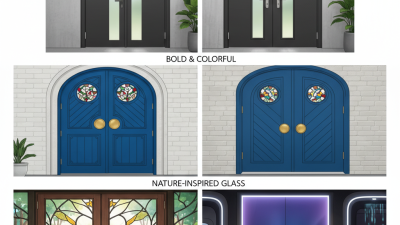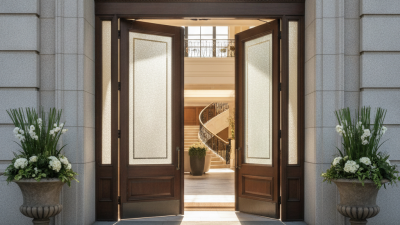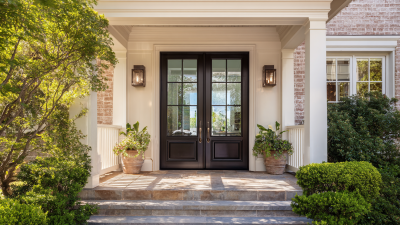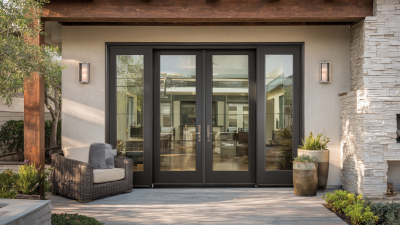
Choosing the best type of double doors is not simply a style decision. It affects daylight, access, security, insulation, and everyday maintenance. A pair of doors can make a narrow room feel connected to a garden. It can also create drafts, alignment problems, and unnecessary repair costs when selected poorly.
Market evidence supports careful comparison. Grand View Research reports that the global doors market is expanding, driven by residential construction, renovation, and demand for energy-efficient products. The U.S. Department of Energy also explains that well-installed exterior doors can reduce air leakage and support lower heating and cooling use. These findings do not prove that one double-door design fits every property. They show why material, glazing, weatherstripping, frame quality, and installation deserve equal attention.
Door installation educator Gary Katz offers a practical principle: the best door must operate reliably before it impresses visually. That advice is easy to overlook. A beautiful French door may still disappoint if its hinges sag or its meeting stile fails to seal. Inward-opening, outward-opening, hinged, sliding, timber, fiberglass, and steel options each solve different problems. Energy Star and National Fenestration Rating Council labels can help buyers compare tested performance, especially U-factor and air leakage. Yet ratings are not the whole story. Poor installation can weaken excellent products. The right choice depends on climate, opening size, traffic patterns, security expectations, and maintenance tolerance. There is no perfect answer—only a better-matched one.
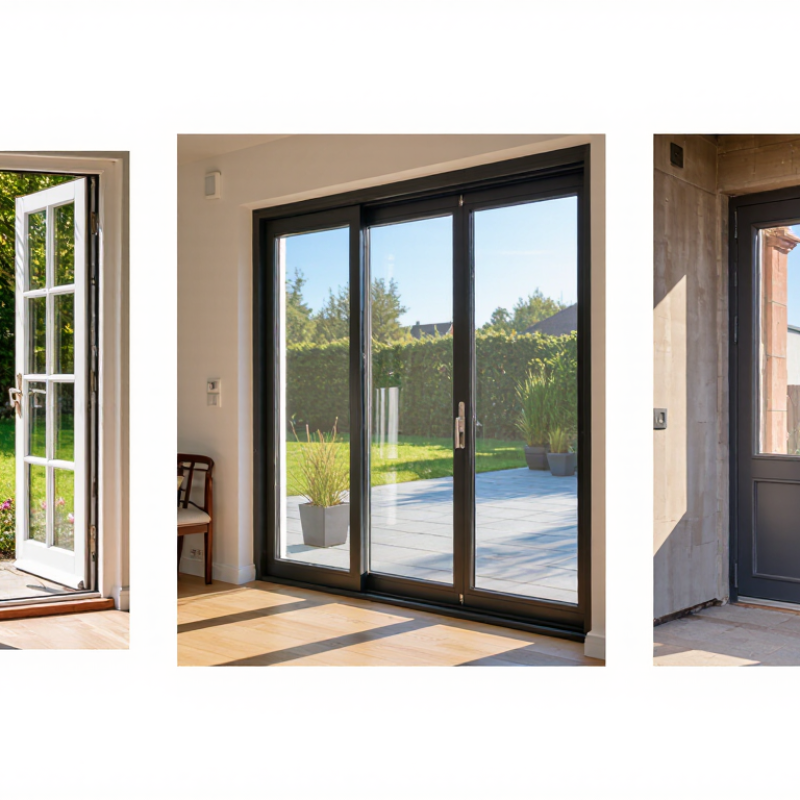
Double doors are not one product category. They are several operating systems with different practical strengths. French doors use paired hinges and swing open from the center. They suit traditional rooms, but need clear floor space. Sliding doors move along tracks, making them useful beside patios or narrow walkways. Bifold doors fold into panels and create a wider opening. Pivot doors rotate on specialized hardware and can handle impressive widths, though installation becomes less forgiving.
The main differences involve access, weather control, maintenance, and daylight. A sliding system usually has a smaller operating arc, but its track needs regular cleaning. Bifold systems offer a broad connection to outdoor areas, yet panel alignment can affect sealing. French doors provide familiar operation and easy emergency access, but wind pressure may stress the hinges. The U.S. Department of Energy states that windows account for about 25–30% of household heating and cooling energy use. Large glazed doors can create similar envelope concerns. NFRC ratings help compare U-factor, solar heat gain, and visible transmittance. Still, ratings do not replace careful site inspection.
Tips: Measure the finished opening, not the rough opening. Check drainage, sill height, hinge clearance, and local wind exposure. Ask for tested air, water, and structural performance. A low U-factor is useful, but not automatically best. A shaded south-facing opening may need different glass from a sheltered north-facing one. Many projects underestimate hardware space. That mistake is expensive to correct.
What Is the Best Type of Double Doors?
The best double doors depend on climate, space, security needs, and daily use. Timber doors provide warmth and natural texture, but they need regular sealing in wet conditions. Fiberglass resists moisture and keeps its shape well. Steel offers strong security, although its surface can feel less inviting. Glass panels bring daylight inside, but they may require privacy treatment and careful cleaning.
Design affects both appearance and performance. Full-height glass suits modern rooms and narrow entrances that need more light. Raised panels create a traditional character and hide small marks. A wider central opening feels generous, but it also demands accurate measurements. Small errors become obvious when both doors meet. I once preferred symmetrical designs in every project. That judgment was incomplete.
Opening mechanisms deserve close attention. Hinged doors are dependable and simple to repair. They need clear floor space for their swing. Sliding double doors save room and work well beside patios, but their tracks collect grit. Folding doors create a broad opening, though their hardware carries more moving parts. Inswing and outswing choices also matter during rain, furniture delivery, and emergency access. Check the threshold carefully. A low, weather-resistant threshold improves comfort, yet it may reduce water protection in exposed locations. Qualified installers should verify the frame, hinges, drainage, and local safety requirements before fitting the doors.
| Door Material | Typical Strengths | Limitations | Weather and Moisture Resistance | Thermal Performance | Maintenance Level | Common Applications | Typical Cost Position |
|---|---|---|---|---|---|---|---|
| Solid Wood | Natural appearance, strong construction, can be repaired or refinished, and offers good sound-dampening potential. | Can expand, contract, warp, or crack when exposed to changing humidity; generally heavier than engineered alternatives. | Moderate when properly sealed; vulnerable if water reaches unprotected edges or joints. | Good when constructed with substantial cores and weatherstripping; performance varies by species and construction. | Medium to high; periodic sealing, painting, or staining may be required. | Traditional homes, entryways, period-style properties, and interior rooms. | Medium to high |
| Engineered Wood | More dimensionally stable than many solid-wood doors, consistent in appearance, and available with wood veneers or painted finishes. | Damaged veneer or exposed edges can be difficult to repair; quality depends on core construction and sealing. | Good for protected exterior locations when factory-sealed; not suitable for prolonged standing water. | Good and generally consistent, especially with insulated cores and properly fitted seals. | Medium; inspect and renew coatings as needed. | Main entrances, patios, interiors, and projects requiring a wood appearance with improved stability. | Medium |
| Fiberglass | Resists dents, rot, rust, and many humidity-related changes; can imitate painted or stained wood textures. | Surface repairs may be more visible; high-impact damage can require panel replacement. | Very good when the finish, frame, sill, and weather seals are correctly installed and maintained. | Good to very good with insulated cores and low-conductivity frames. | Low; usually limited to cleaning and periodic seal inspection. | Exterior entry doors, coastal areas, humid climates, and low-maintenance renovations. | Medium to high |
| Steel | High strength, strong security potential, and relatively slim profiles; insulated steel panels can provide good energy performance. | Can dent, conduct heat if not insulated, and develop corrosion if the protective coating is damaged. | Good with intact corrosion-resistant coatings; lower in harsh or coastal conditions if scratched or poorly maintained. | Good when foam-insulated; uninsulated steel has poor thermal resistance because metal conducts heat readily. | Low to medium; touch up damaged coatings and keep drainage paths clear. | Security-focused entrances, utility areas, garages, and commercial buildings. | Low to medium |
| Aluminum | Lightweight, corrosion-resistant, suitable for large glazed panels, and compatible with narrow modern frames. | Conducts heat more readily than insulated fiberglass or wood; can dent and may feel less substantial in lightweight systems. | Very good against rust and moisture; coastal exposure may require suitable coatings and regular cleaning. | Moderate to very good depending on the use of thermal breaks, insulated glass, and frame design. | Low; clean tracks, drains, hardware, and finishes periodically. | Contemporary homes, balconies, patios, offices, and wide glazed openings. | Medium to high |
| uPVC | Low maintenance, moisture-resistant, relatively affordable, and capable of providing good insulation with multi-chamber profiles. | Can have wider frames, limited repair options for damaged profiles, and may be less suitable for unusually large or heavily trafficked openings. | Very good for normal exterior exposure; prolonged heat, impact, or poor installation can affect performance. | Good to very good with insulated profiles and double- or triple-glazed units. | Low; clean surfaces and maintain seals and drainage channels. | Residential patios, balconies, replacement projects, and budget-conscious installations. | Low to medium |
| Design or Mechanism | How It Operates | Space Requirement | Main Advantages | Potential Drawbacks | Best-Suited Locations | Overall Suitability |
|---|---|---|---|---|---|---|
| French-Style Hinged Double Doors | Two leaves swing from side hinges, usually meeting at the center. | Requires clear floor area equal to the swing arc. | Classic appearance, wide clear opening, straightforward hardware, and easy manual operation. | Swing area can conflict with furniture, walkways, or outdoor furniture; wind can stress open leaves. | Entryways, dining rooms, gardens, patios, and traditional interiors. | Best for a traditional look and rooms with adequate swing clearance. |
| Center-Hinged Inswing or Outswing Doors | Both panels rotate inward or outward around hinges fixed to the side jambs. | Needs a full swing zone on one side of the opening. | Strong weather-seal potential, simple threshold design, and widely available configurations. | Consumes usable floor or patio space and may be difficult to operate in strong wind without proper restraints. | Main entrances, interior room connections, and sheltered exterior openings. | A practical general-purpose choice when swing space is available. |
| Sliding Double Doors | One or both panels move horizontally along upper and lower tracks. | Needs wall or fixed-panel space beside the opening, but little floor clearance. | Saves floor space, supports large glazed areas, and is convenient for patios and balconies. | The clear opening is often less than the total frame width; tracks require cleaning and adjustment. | Patios, balconies, compact rooms, and wide openings with nearby wall space. | Best where floor space is limited and a partial-to-wide opening is acceptable. |
| Bifold Double Doors | Several narrow panels fold and stack to one or both sides using hinges, rollers, and guide tracks. | Requires stacking space at the sides and a strong, accurately aligned frame. | Creates a very wide opening and connects indoor and outdoor areas effectively. | More hardware and seals mean greater adjustment needs; stacked panels remain visible at the sides. | Large patios, entertaining areas, garden rooms, and open-plan spaces. | Best for maximum access and visual continuity when the budget and structure permit. |
| Pivot Double Doors | Large panels rotate on pivot points positioned at the top and bottom rather than conventional side hinges. | Needs swing space and careful allowance for the pivot offset. | Supports oversized panels, distinctive architectural styling, and smooth movement when correctly engineered. | Higher installation precision, specialized hardware, and potentially more complex weather sealing. | Modern entrances, architectural homes, galleries, and high-impact interior openings. | Best for design-led projects with structural and hardware planning. |
| Dutch-Style Split Double Doors | Each door is divided horizontally so the upper and lower sections can open independently. | Requires normal door swing space and additional clear height for the split panels. | Allows ventilation, daylight, and interaction while the lower section remains closed. | More joints and hardware can complicate sealing; not ideal for moving very large objects through the opening. | Kitchens, farm-style homes, service entrances, and areas needing controlled ventilation. | Best for flexibility and character rather than maximum clear width. |
What Is the Best Type of Double Doors?
The best double doors depend on insulation, security, durability, and maintenance needs. Insulated fiberglass doors usually provide steady thermal performance and resist moisture better than untreated wood. Steel doors can offer strong protection, but damaged coatings may invite rust. Solid wood feels warm and substantial, yet it needs regular sealing, especially near humid entrances.
Look closely at the frame, not only the door panels. A tight frame, adjustable hinges, and continuous weatherstripping reduce drafts and rattling. For security, choose reinforced strike plates, strong deadbolts, and laminated or tempered glass where glazing is necessary. A multi-point locking system can improve resistance, but poor installation can weaken even excellent hardware. Measured installation matters.
Tips: Check the door sweep on a windy day. Feel for cold air around the meeting stile. Ask for tested thermal and impact ratings. Inspect fasteners and seals every year. Clean drainage channels before winter.
Durability also depends on exposure. A covered entrance protects finishes from direct rain and harsh sunlight. In coastal areas, corrosion-resistant hardware deserves extra attention. Wood may require more care than expected, while composite materials can sometimes show difficult-to-repair surface damage. I would not choose by appearance alone. A beautiful door that swells, leaks, or needs frequent repainting becomes expensive. Even careful evaluations can miss site-specific problems, so reviewing local climate conditions and installation details remains essential.
Insulated steel and fiberglass double doors generally provide the strongest balance of insulation, security, durability, and low maintenance. Solid wood offers good appearance and reasonable durability but requires more upkeep, while thermally broken aluminum typically needs little maintenance but may provide lower insulation unless it includes a well-insulated core.
Comparative index: 1 = lower performance, 5 = higher performance. Ratings reflect common door construction characteristics and can vary with core material, glazing, weatherstripping, hardware, finish, and installation quality.
The best double doors depend on traffic, space, security, and daily handling. For a home entry, glazed French doors can bring daylight into a narrow hallway. Their divided panels also suit traditional or transitional interiors. Solid timber doors provide privacy and a heavier visual presence. However, they may need regular sealing when exposed to rain and strong sunlight.
For a patio, outward-opening doors can preserve indoor floor space. Check the swing path before installation. A two-way traffic area needs durable hinges, strong closers, and carefully selected handles. In offices, schools, and retail spaces, wider clear openings often matter more than decoration. Pair doors with vision panels can improve awareness near busy corridors. Low-threshold designs may also support easier movement for wheeled equipment, depending on the building layout and applicable standards.
Commercial entrances usually require closer attention to traffic volume, weather exposure, and security. Aluminum or reinforced steel systems can suit demanding locations, while insulated frames may improve comfort near conditioned spaces. Fire-rated or emergency-use doors must carry appropriate tested certifications and hardware. Do not choose them by appearance alone. Measure the opening, wall condition, and finished floor height first. Small errors can create rubbing, drafts, or uneven gaps. I have seen attractive door pairs fail because the frame was never checked after flooring was installed. The practical choice is sometimes less elegant, but far more reliable.
Choosing the best double doors depends on your space, daily habits, and available budget. Hinged double doors suit wider rooms and traditional interiors. They open fully, creating a generous passage for furniture or entertaining. However, each door needs clear floor space. Measure the swing area before ordering. A narrow hallway can make this option frustrating.
Sliding double doors save valuable floor space and often suit patios or compact rooms. Their panels move beside the wall, not into the room. They need strong tracks and careful installation. Dirt or poor alignment can make movement difficult. Bifold doors open widely, but their folding panels require more hardware. They may also cost more than basic hinged doors. For a modest budget, durable framed doors with standard hardware are often practical.
Look closely at materials, glazing, insulation, and the frame before comparing prices. Solid timber offers warmth, but it may need regular maintenance. Engineered materials can resist moisture more consistently. Double glazing improves comfort near bright windows, though it raises the initial cost. Check the rough opening, threshold height, and locking points with an experienced installer. Small measurement errors become expensive later. I have seen attractive doors perform poorly because the frame was not level. That detail is easy to overlook. A realistic budget should include delivery, trimming, installation, and future adjustments, not only the door panels.