
Why Are Cosmetic Bags Essential for Global Buyers?

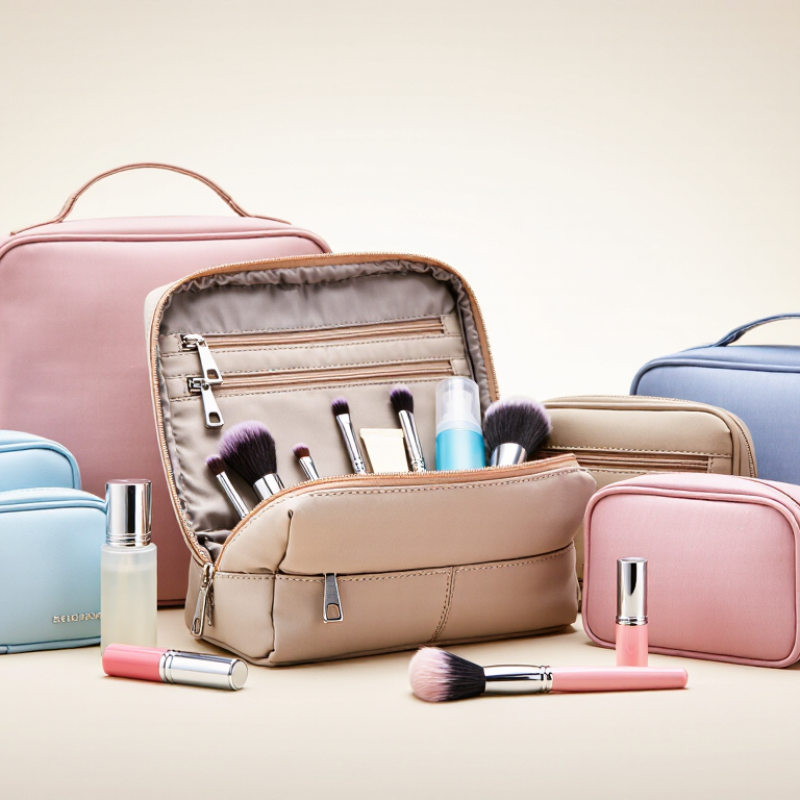
Why Are Cosmetic Bags Essential for Global Buyers? The answer begins with daily practicality. Cosmetic Bags keep skincare, makeup, brushes, and small grooming items organized during travel, retail display, and home use. A well-designed bag protects products from dust, leaks, and crushing. It also helps shoppers find essentials quickly inside a crowded suitcase.

For global buyers, product value depends on more than appearance. Buyers usually examine fabric quality, stitching strength, zipper performance, lining, capacity, and cleaning convenience. A sample test can reveal weak seams after repeated opening. It may also expose color transfer, unpleasant odors, or poor water resistance. These details influence customer reviews and long-term brand trust.

Market expectations are not identical. Some customers prefer compact pouches for handbags, while others need structured cases for professional tools. Material choices should match the product’s purpose, target price, and responsible sourcing goals. Suppliers should provide clear specifications, stable production records, and consistent quality checks. Packaging information must remain accurate and easy to understand.

Small details matter.

For example, a smooth zipper may prevent spilled powder from damaging clothing. A washable lining can reduce replacement costs for frequent travelers. However, buyers should avoid choosing designs based only on photographs. Screen colors can differ from physical samples, and attractive hardware may add unnecessary weight. I have found that practical testing often changes the original preference. That is not a weakness; it is useful evidence.

With careful evaluation, Cosmetic Bags become more than promotional accessories. They support organization, product protection, customer satisfaction, and recognizable branding across markets. Reliable sourcing requires patience, documentation, and honest communication. A beautiful bag helps, but dependable performance usually creates repeat business.
Why Are Cosmetic Bags Essential for Global Buyers?

What Are Cosmetic Bags and What Purposes Do They Serve?

Cosmetic bags are portable containers designed to store makeup, skincare items, brushes, and personal grooming tools. They may use cotton, recycled fabric, coated canvas, nylon, or synthetic leather. Their shapes range from small pouches to structured cases with handles and compartments. Each design supports a different routine.

For global buyers, the main purpose is organized protection. A lined interior can hold small spills and reduce staining inside luggage. Separate pockets keep brushes away from creams and powders. A firm base helps the bag stand on a hotel counter. Clear sections can make products easier to identify during travel or retail display. Zippers, stitching, and handles also affect daily reliability. In product inspections, these details often reveal more than appearance alone.

Cosmetic bags also support hygiene and convenience. Smooth surfaces are easier to wipe, while removable inserts can simplify cleaning. Buyers should check dimensions carefully, because a beautiful bag may hold very little. I have seen compact designs look useful but fail to fit ordinary bottles. That mistake is easy to overlook. Material thickness, odor, colorfastness, and zipper performance deserve practical testing before bulk purchasing. Packaging should protect the bag without creating unnecessary waste. Preferences also vary across markets, so one universal design may not serve every customer well.

How Do Cosmetic Bags Improve Organization, Protection, and Portability?

Cosmetic bags are essential for global buyers because they combine organization, protection, and portability in one practical product. A well-designed bag separates brushes, skincare containers, and small accessories. This prevents spills from spreading across a suitcase. Clear compartments also help users find items quickly during travel or daily routines.

Protection depends on material and construction. A water-resistant lining can contain minor leaks, while padded walls protect glass containers from light impact. Strong zippers, reinforced handles, and neat stitching improve reliability during repeated use. In product evaluations, buyers should inspect seams, zipper movement, lining quality, and odor after opening the sample. A compact shape is useful, but excessive compression may damage delicate items. That detail is easy to miss.

Tips: Choose washable materials, practical compartments, and secure closures. Request product samples before placing large orders. Test the bag inside a fully packed suitcase. Check whether the handle remains comfortable after several minutes. Simple checks reveal weaknesses. Buyers should also compare dimensions with common toiletry containers. A beautiful bag may still waste space if its compartments are too narrow. I have seen designs that looked efficient but became difficult to close when filled. That mistake deserves attention. A reliable cosmetic bag should feel balanced, clean, and easy to carry, even when used every day.

Why Are Cosmetic Bags Essential for Global Buyers?

Cosmetic bags support three practical travel needs: keeping products organized, protecting them from leaks and impact, and making personal-care items easier to carry. The chart uses a practical 1–5 design benchmark, where 5 represents the strongest expected performance.

The benchmark reflects common functional requirements for travel cosmetic bags: multiple compartments, leak-resistant construction, protective padding, lightweight materials, compact storage, and convenient portability.

Which Cosmetic Bag Types Suit Different Global Buyer Needs?

Why Are Cosmetic Bags Essential for Global Buyers?

Different buyers need different cosmetic bag structures, not just attractive colors. Compact zip pouches suit travelers carrying a few daily products. Their soft shape fits handbags and small luggage spaces. Buyers should check zipper strength, lining quality, and edge stitching before placing large orders. A weak seam can fail after repeated opening. I have seen this small detail create avoidable returns.

Hanging cosmetic bags work well for travelers and hospitality users. Their hook keeps products visible in compact bathrooms. Multiple compartments help separate bottles, brushes, and personal care items. However, excessive pockets may increase weight and production costs. Not every buyer needs maximum storage. A clear, wipe-clean section can support practical organization, but it may scratch or cloud over time.

For professional users, structured train cases offer better protection and presentation. They can include dividers, firm walls, and a stable base. This format suits makeup artists, mobile beauty workers, and retail gift programs. Flat cases may be better for promotional orders because they store efficiently and allow simpler packing. Material selection also matters across climates. Breathable fabric may suit humid conditions, while coated surfaces are easier to clean. Still, no design performs perfectly everywhere. Buyers should test samples under realistic handling, inspect odor and finish, and confirm packaging details before approval. Small tests reveal more than polished product photos.

Why Are Cosmetic Bags Essential for Global Buyers? - Which Cosmetic Bag Types Suit Different Global Buyer Needs?

Cosmetic Bag Type Typical Construction and Capacity Best-Suited Buyer Need Common Materials Useful Functional Features Key Global Considerations Customization Potential Primary Purchase Priority
Flat Pouch Compact, low-profile design for a small selection of makeup or personal-care items. Retailers and travel-goods buyers seeking an affordable everyday or promotional accessory. CottonCanvasPolyesterPU Zip closure, lightweight structure, easy storage inside a handbag or suitcase. Suitable for value-focused assortments and gift sets; fabric choice affects washability and appearance. Printed artwork, woven labels, zipper-pull colors, lining, and size variations. Low cost and easy packing
Boxy Cosmetic Case Structured rectangular case with a wider base; generally holds several bottles, palettes, and brushes. Buyers serving customers who need organized storage for daily routines or short trips. PU leatherPolyesterNylon Wide opening, reinforced panels, internal pockets, and wipe-clean lining. Protective structure is useful for products that should remain upright; shipping volume is higher than for flat pouches. Exterior colors, embossing, metal trims, compartments, and lining design. Organization and durability
Hanging Toiletry Bag Multi-compartment design with a hook for hanging; capacity is usually medium to large. Travel retailers and buyers targeting frequent travelers, business travelers, and family users. NylonPolyesterRecycled polyester Hanging hook, elastic loops, mesh pockets, waterproof compartments, and carry handle. Useful where bathroom counter space is limited; hardware and stitching should be tested for repeated travel use. Pocket layout, hook finish, fabric color, logo placement, and private-label packaging. Functionality and travel convenience
Transparent Cosmetic Bag Clear or semi-clear pouch that allows contents to be identified quickly; available in flat or structured forms. Airport-travel, event, convenience, and practical-storage buyers. PVCTPUEVA Visible contents, wipe-clean surface, zip closure, and optional colored trim. Clear formats can support security screening and product visibility; material selection should consider flexibility, odor, and applicable local requirements. Trim colors, printed patterns, zipper styles, transparent tints, and multiple sizes. Visibility and easy cleaning
Brush Organizer Longer profile with individual slots or elastic loops for makeup brushes and slim tools. Professional makeup users, beauty schools, salons, and specialist beauty retailers. CanvasNylonPUPolyester Brush loops, protective flap, roll-up or folding format, and secure tie or snap closure. Brush protection and clean separation are important; interior materials should be easy to maintain. Slot count, roll size, protective flap, fabric print, and compartment arrangement. Tool protection and compartment design
Drawstring Cosmetic Bag Soft, flexible pouch with a gathered closure; commonly used for lightweight personal-care items. Gift, promotional, fashion-accessory, and environmentally conscious product assortments. CottonLinen blendRecycled fabric Quick access, low material use, soft storage, and compact empty-volume shipping. Natural-fiber versions appeal to buyers seeking a textile appearance; colorfastness and cord durability should be checked. Screen printing, embroidery, cord color, fabric weight, and custom dimensions. Presentation and cost efficiency
Travel Makeup Train Case Large, rigid or semi-rigid case with a framed opening and multiple storage sections. Professional artists, extended-travel users, and premium beauty-accessory buyers. ABSEVAAluminum framePU Protective shell, adjustable dividers, mirror compartment, handle, and sometimes a shoulder strap. Provides strong product protection but requires more storage and shipping space; hinges, corners, and handles need durability testing. Divider layout, shell color, interior lining, hardware finish, and packaging configuration. Protection and professional capacity
Reusable Wash Bag Washable pouch designed for repeated use with toiletries, cosmetics, or personal-care products. Buyers prioritizing long service life, practical maintenance, and reduced reliance on disposable packaging. Cotton canvasNylonRecycled polyester Durable zipper, washable surface, water-resistant lining, and reinforced seams. Care instructions, colorfastness, seam strength, and material claims should be verified before marketing. Fabric composition, printed message, labels, lining, dimensions, and reusable packaging. Reusability and lifecycle value
Mini Cosmetic Pouch Small pouch for lipstick, compact powder, hand cream, travel-size items, or emergency essentials. Checkout, gift-set, subscription-box, and compact-lifestyle buyers. PUPolyesterCotton Lightweight body, short zip opening, small footprint, and easy placement in handbags. Works well for impulse purchases and bundled promotions; compact dimensions help reduce packaging volume. Shape, color, surface texture, printed graphics, zipper pull, and gift-set coordination. Portability and promotional value

What Materials, Features, and Designs Define a Quality Cosmetic Bag?

Global buyers need cosmetic bags that survive shipping, daily handling, and repeated cleaning. Material choice is the first practical test. Recycled polyester offers light weight, water resistance, and consistent color. Organic cotton feels soft and breathable, but it may absorb spills quickly. PU can resemble leather, although heat and peeling remain possible concerns. No material is perfect. From supplier inspections, stitching often fails before the fabric does.

Sealed seams, strong zippers, and reinforced handles deserve close attention. Interior pockets should hold brushes, bottles, and small tools without wasting space. A washable lining helps users remove powder and liquid residue. Transparent panels improve visibility, while padded sections protect fragile containers. Yet extra compartments can make a bag bulky. Simple designs often travel better. Rounded edges also reduce snagging during packing and handling.

Tips: Request material samples before approving large orders. Test the zipper repeatedly and inspect thread tension under normal pressure. Ask for abrasion, colorfastness, and water-resistance test records when available. Check measurements with actual cosmetic products, not catalog drawings. A small sample may expose uneven seams that photos hide. Do not trust appearance alone. Consider user habits too; a beautiful bag may fail if its opening is too narrow.

How Can Global Buyers Evaluate Cosmetic Bags for Sourcing and Use?

Global buyers should evaluate cosmetic bags as functional products, not decorative accessories. McKinsey’s Beauty Market Report projects the global beauty market could reach about US$580 billion by 2027, with annual growth near 6%. This expansion increases demand for organized, portable storage. Buyers should check fabric density, lining quality, zipper movement, stitching strength, and odor after opening. A bag that looks attractive may still fail after repeated packing.

Sample testing should reflect real use. Fill the bag with bottles, brushes, and small tools, then test handle stress and seam durability. Ask suppliers for material specifications, factory quality records, and test reports for colorfastness and water resistance. Grand View Research reports continued growth in the cosmetic bags market through 2030, but market forecasts vary by region and product definition. That uncertainty deserves attention. Do not rely on one report or one sample.

Tips: Compare at least three samples. Measure empty and loaded weight. Test the zipper 100 times. Check whether the lining is easy to wipe. Review packaging volume, minimum order quantity, and inspection procedures before purchase. Recycled materials can support sustainability goals, but buyers should verify recycled-content claims and actual durability. A lower unit price may hide higher return costs. My practical view is simple: test the bag as a traveler would use it, not as a catalog photograph.

Article Source:

^