What is the Wood Plastic Composites Market and Its Benefits?
The Wood Plastic Composites Market is rapidly evolving. As the world becomes more eco-conscious, these composites are gaining popularity. They blend the durability of wood with the versatility of plastics. Industry expert Dr. Sarah Thompson states, "Wood plastic composites offer sustainable solutions without sacrificing quality." This highlights the growing demand for environmentally friendly materials.
Various sectors, including construction and furniture, are increasingly utilizing wood plastic composites. This market is significant for reducing deforestation. However, challenges remain. The manufacturing process can be complex, and not all products are created equal. Some consumers may question the longevity of these composites. It is crucial to choose reputable manufacturers to ensure quality and performance.
The benefits of the Wood Plastic Composites Market are clear. They provide a sustainable option while minimizing environmental impact. However, consumers must remain informed about their choices. The journey of understanding this market involves recognizing both its advantages and potential drawbacks.
What Are Wood Plastic Composites?
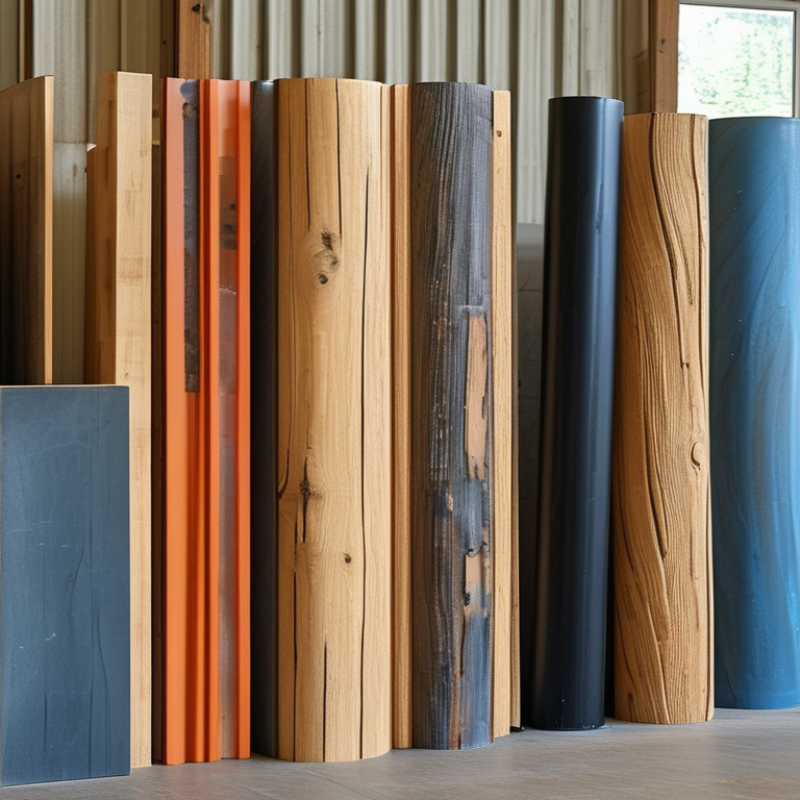
Wood Plastic Composites (WPC) are innovative materials made from a blend of wood fibers and plastic. These composites take advantage of the best characteristics of both wood and plastic, creating a versatile product suitable for various applications. WPC can mimic the appearance of natural wood, offering aesthetics and durability while resisting the elements. This combination makes them popular for decking, furniture, and even automotive parts.
The benefits of WPC are considerable. They are resistant to rot, insects, and moisture, which enhances their lifecycle. Unlike traditional wood, WPC doesn't require frequent maintenance, saving time and cost for homeowners. However, some might find the texture and warmth lacking compared to real wood. Others may question the environmental impact of plastic content. Despite these debates, WPC continues to pave the way for eco-friendly construction materials, often containing recycled plastics and wood fibers, which promotes sustainability.
As WPC technology advances, its potential seems limitless. Yet, some users may discover that the performance under high heat or stress may vary. Understanding these nuances is crucial. With ongoing research, WPC will likely improve, addressing the shortcomings while enhancing its positive attributes. The exploration into this composite market reflects the growing desire for sustainable building materials that meet modern needs.
Key Properties of Wood Plastic Composites
Wood Plastic Composites (WPCs) combine wood fibers and plastic, creating a hybrid material. These composites are gaining popularity due to their unique properties. They offer durability and resistance to moisture, making them suitable for outdoor applications. WPCs are less prone to splintering and rotting compared to traditional wood. This makes them an appealing choice for decks, fences, and furniture.
The key properties of WPCs include their ease of maintenance. Unlike natural wood, they don't require regular painting or sealing. A simple wash with soap and water often suffices. Additionally, WPCs exhibit high strength-to-weight ratios. This ensures that products made from WPCs are lightweight yet sturdy. Another important aspect is sustainability. Many WPCs use recycled plastics, contributing to waste reduction. However, it's essential to consider the long-term impacts of the plastic component.
While WPCs have many benefits, some challenges remain. Manufacturers must ensure consistent quality, which can vary based on materials used. The aesthetics of WPCs can differ noticeably from pure wood, potentially affecting consumer preference. As the market evolves, ongoing innovation is crucial. Addressing these concerns will enhance the appeal and functionality of WPCs.
Applications of Wood Plastic Composites in Various Industries
Wood Plastic Composites (WPC) are gaining momentum across various sectors. These materials blend wood fibers with plastic, creating a sustainable alternative for traditional wood products. Their versatility allows usage in outdoor decking, furniture, and even automotive parts. According to a report by ResearchAndMarkets, the global WPC market is projected to grow at a CAGR of 12% between 2021 and 2026.
In the construction industry, WPC is increasingly favored for decking applications. It withstands weather conditions better than traditional wood, reducing maintenance costs. However, challenges remain. Some manufacturers struggle with color matching, which can lead to customer dissatisfaction. Additionally, the variability in raw materials may affect product consistency. The automotive sector also sees WPC applications for interior components, driven by a demand for lightweight and eco-friendly materials. The shift in consumer preferences towards greener options may propel further innovation in this space.
The furniture industry is embracing WPC as well. It offers aesthetic versatility while being less prone to rotting and warping. Reportedly, 45% of WPC use now stems from furniture applications. Yet, some designers express concerns about its tactile qualities compared to solid wood. Feedback from end-users indicates that while WPC has come a long way, addressing these concerns will be crucial for broader acceptance in premium markets.
Environmental Benefits of Using Wood Plastic Composites
Wood Plastic Composites (WPC) are gaining traction in various industries, primarily due to their environmental advantages. Studies indicate that WPC can reduce the amount of timber used in production by up to 50%. This significant reduction aids in conserving natural resources and decreasing deforestation rates. By blending recycled plastics with wood fibers, WPC effectively minimizes waste, promoting a circular economy.
Using WPC helps in lowering greenhouse gas emissions. According to a report by the National Association of Home Builders, WPC products emit 30% less carbon dioxide compared to traditional materials. Additionally, WPC is highly durable, requiring less frequent replacement. This longevity results in reduced waste over time and less resource consumption in manufacturing new products.
However, there are challenges with WPC materials. Some critics point out that while WPC is eco-friendly, the manufacturing process still consumes energy, and the long-term recyclability of composite materials remains an area needing further research. Balancing these factors is essential for the industry to improve its sustainable footprint while still meeting consumer demands for innovative materials.
Environmental Benefits of Using Wood Plastic Composites
Market Trends and Future Outlook for Wood Plastic Composites
The wood plastic composites (WPC) market is expanding rapidly. This growth stems from the rising demand for sustainable building materials. WPC combines wood fibers with plastic, creating a versatile product. It finds applications in decking, fencing, and furniture. As consumers become eco-conscious, the appeal of WPC increases.
Current trends show a shift towards eco-friendly products. Many manufacturers are sourcing recycled materials for production. However, the technology is not without its challenges. Some consumers worry about durability over time. Others question the environmental impact of plastic in these composites. Balancing these concerns with the need for sustainable solutions remains a significant task.
Looking ahead, experts predict continued innovation in the WPC sector. Advancements in material science could enhance product performance. There's also potential for new applications as industries explore alternative uses. Yet, it is crucial to maintain transparency in sourcing and production methods. Addressing these complexities will be key to ensuring WPC's acceptance.
Wood Plastic Composites Market Overview
| Dimension | 2023 Estimate | 2028 Forecast | CAGR (%) |
| Market Size (Million USD) | 5,100 | 7,200 | 6.8 |
| Key Applications | Decking, Fencing | Furniture, Flooring | - |
| Production Volume (Million Tons) | 1.2 | 1.8 | 8.1 |
| Regional Growth | North America, Europe | Asia Pacific, Latin America | - |
| Sustainability Benefits | Biodegradable, Recyclable | Reduced Carbon Footprint | - |