How to Choose the Best Wall Boards for Your Projects?
Choosing the right wall boards for your projects can be a daunting task. With so many options available, it’s easy to feel overwhelmed. Wall boards come in various materials, finishes, and sizes, each serving a unique purpose. Understanding these differences is crucial to making the best decision.
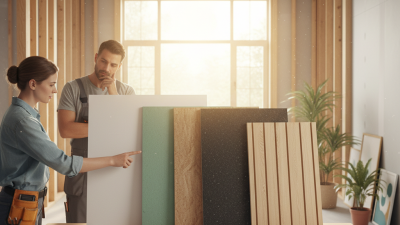
When selecting wall boards, consider the specific needs of your project. Are you remodeling a bathroom, or building a new office? The environment and intended use significantly influence the choice. For instance, moisture-resistant boards are vital in wet areas. Proper research can help avoid costly mistakes.
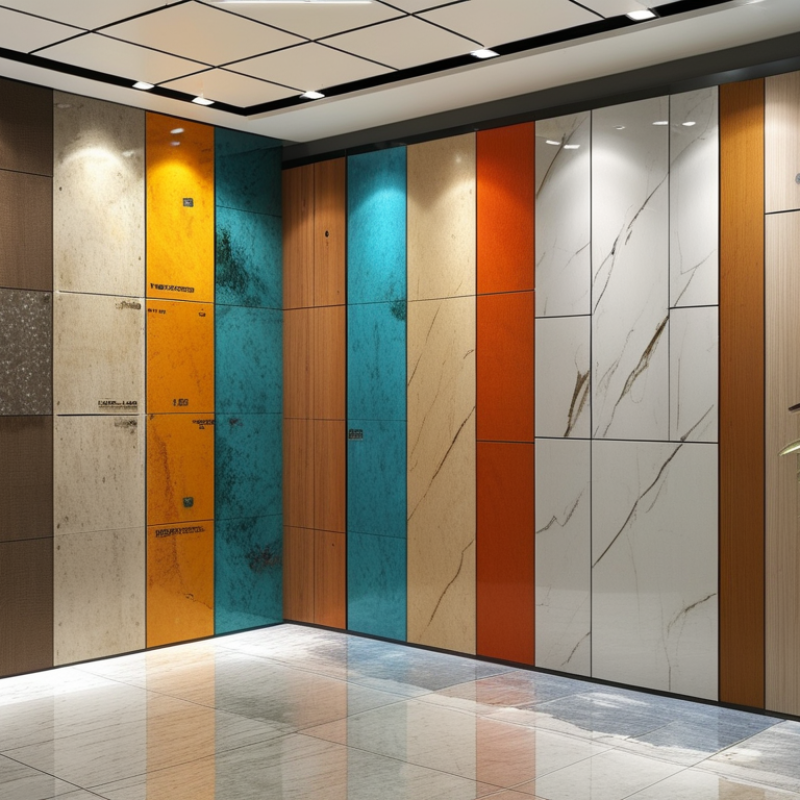
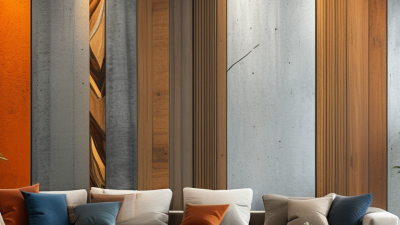
It's also important to pay attention to durability and aesthetics. Your wall boards should not only be functional but also visually appealing. Remember, the best choice reflects your style while serving practical needs. Don't rush through this process. Take the time to understand your options thoroughly.
Factors to Consider When Selecting Wall Boards for Your Project
When selecting wall boards for your project, several factors come into play. Consider the purpose of the wall board. Is it for moisture-prone areas, like bathrooms? Or perhaps it’s for soundproofing. Each scenario requires a different type of board. The material is essential. Options include plywood, drywall, and cement board. Each has unique properties that influence durability and aesthetics.
Thickness is another important aspect. Thicker boards typically offer better insulation and sturdiness. Weight can impact installation, especially in large projects. Additionally, the finish of the wall board matters. Some boards require paint, while others come with a pre-finished surface. Examine your skills and tools for installation. Not all boards are easy to work with.
Budget is also a key consideration. While some boards are inexpensive upfront, others carry long-term costs for maintenance or replacement. Quality materials often justify their price. Striking a balance between budget and quality can be challenging. Careful research and consideration are required to avoid future regrets.
How to Choose the Best Wall Boards for Your Projects? - Factors to Consider When Selecting Wall Boards for Your Project
| Material Type |
Durability |
Moisture Resistance |
Cost (per sq ft) |
Application Areas |
| Gypsum Board |
Moderate |
Low |
$0.40 |
Interior Walls |
| Plywood |
High |
Moderate |
$1.20 |
Construction, Furniture |
| MDF (Medium Density Fiberboard) |
Moderate |
Low |
$0.90 |
Interior Applications |
| PVC Wall Panels |
High |
High |
$2.50 |
Bathrooms, Kitchens |
| Fiber Cement Board |
Very High |
Very High |
$1.50 |
Exterior, High-moisture Areas |
Types of Wall Boards and Their Specific Uses
When selecting wall boards, understanding different types and their specific uses is crucial. For instance, drywall is the most common wall board for interior applications. Its fire-resistant properties make it a preferred choice for residential projects. According to industry reports, approximately 82% of new homes in the U.S. utilize drywall due to its affordability and ease of installation.
In contrast, cement board is often used in areas exposed to moisture. This includes bathrooms and kitchens. It provides superior durability against water damage, which is vital in these environments. Studies indicate that projects using cement board experience a 30% decrease in mold-related issues. Another option is soundproof wall board, which is designed for spaces requiring noise reduction. This type of board can lower sound transmission levels by up to 50%, enhancing comfort in homes or offices.
Choosing the right wall board is not always straightforward. Each type has its advantages and drawbacks. For example, while drywall can be easily installed, it may not endure heavy impacts as well as other materials. Research suggests that improper materials can lead to increased long-term costs. It's essential to evaluate your specific project needs before making a selection. This reflective process can lead to better results.
Comparing Cost and Performance of Different Wall Board Materials
Choosing the right wall board material can significantly affect your project's outcome. Different materials vary in cost, durability, and performance. For example, gypsum board, the standard choice for many, typically costs $0.40 to $0.65 per square foot. It's strong and resistant to fire. However, it's not ideal for high-moisture areas, as it can warp over time.
In contrast, cement board is more expensive, around $1.00 to $2.00 per square foot, but offers superior moisture resistance. This makes it perfect for kitchens and bathrooms. There's also plywood, which ranges from $1.25 to $3.00 per square foot. It provides good insulation but can be more labor-intensive to install.
Tip: Always consider the environment in which you’ll install wall boards. High-humidity areas demand materials that can withstand moisture without degrading. Also, think about potential climate impacts on your material choice; some boards can emit VOCs, affecting indoor air quality.
Selecting wall boards requires balancing cost with performance. Remember that a lower price today may mean higher costs in repairs later. Reflect on your long-term needs when making decisions. Sometimes, spending a bit more upfront can save money over time.
Installation Techniques for Various Wall Board Types
When it comes to wall board installation, techniques vary significantly based on the type chosen. Gypsum board, commonly known as drywall, is popular for its ease of use. The average contractor can install a 4x8 foot sheet in about 15 minutes. Proper stud spacing, typically 16 inches on center, ensures stability and prevents cracking. However, many installers neglect to check moisture levels, which can lead to future problems.
Plywood and OSB (Oriented Strand Board) are often used in areas requiring extra strength. When installing these materials, a proper fastening pattern is crucial. Logs report that incorrect nailing can diminish the structural integrity. Additionally, in humid climates, applying a vapor barrier helps prevent moisture accumulation. This is essential to avoid rot and warping, which often go unnoticed until it's too late.
LP SmartSide and fiber cement boards offer unique benefits. Both materials are resistant to moisture and pests but require different installation techniques. While the former can be cut with standard tools, the latter demands specialized saw blades. Quality control can lapse here; it's vital that each piece is secured correctly to avoid gaps that lead to air and water infiltration. Crafting a solid foundation involves careful preparation, which some overlook in their pursuit of efficiency.
Maintenance and Durability Considerations for Wall Boards
When selecting wall boards, maintenance and durability are primary factors. The longevity of wall boards can significantly impact the overall project costs. Data shows that around 30% of homeowners experience issues with wall board durability within the first five years. Opting for materials that offer enhanced resistance to moisture and wear can reduce these issues.
Regular maintenance of wall boards plays a crucial role in their lifespan. Research indicates that neglecting routine inspections can lead to up to a 50% increase in maintenance costs over a decade. Simple practices like periodic cleaning and checking for damage can extend the life of wall boards. Choosing materials that are easy to repair may also mitigate long-term repair costs.
In the context of sustainability, materials that can withstand environmental stressors are paramount. This is particularly important for regions with high humidity or temperature fluctuations. Wall boards that resist mold or warping tend to have a higher satisfaction rate among users. In fact, studies show that about 40% of consumers prioritize durability over cost when choosing wall boards.
Durability of Different Wall Board Materials