How to Choose the Right Ceiling Systems for Your Project?
Choosing the right ceiling systems significantly influences a project's overall aesthetic and functionality. According to a 2022 report by MarketsandMarkets, the global ceiling systems market was valued at approximately $8.3 billion and is projected to reach $12.5 billion by 2027, growing at a CAGR of around 8.5%. This rapid growth reflects the increasing importance of innovative ceiling designs in commercial and residential spaces.
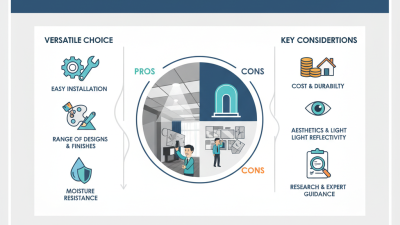
Understanding the various types of ceiling systems is essential for making informed decisions. Modular and acoustic ceilings are popular in commercial settings, offering noise reduction and easy installation. In contrast, decorative ceilings often enhance home interiors, making them more inviting. However, the choice isn't always straightforward. Factors such as installation costs, material durability, and maintenance vary widely. Selection mistakes can lead to long-term issues, underscoring the need for thorough research and expert input.
Engaging with industry professionals can provide insights into the latest trends and technologies. However, even experienced designers may face challenges in predicting future needs. Balancing aesthetics with functionality remains crucial. Ultimately, making the right choice in ceiling systems requires a deep understanding of both current and emerging market trends.
Understanding Different Types of Ceiling Systems Available
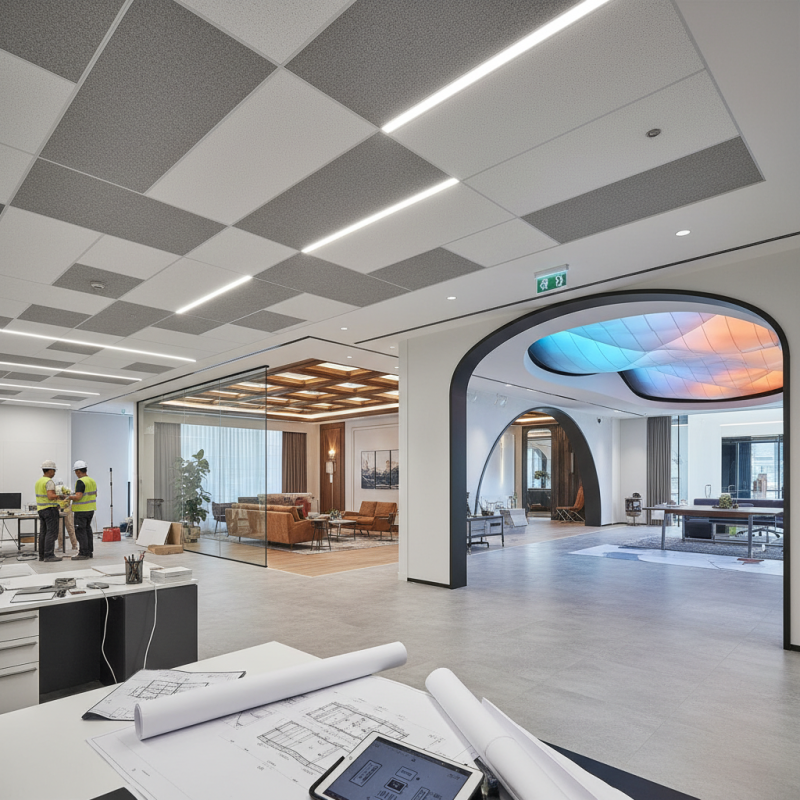
Choosing the right ceiling system for your project can seem challenging, especially with the variety of options available. Each type of ceiling system serves different aesthetic and functional needs. From suspended ceilings to drywall, understanding these choices is key to a successful design.
Suspended ceilings, also known as drop ceilings, are popular in commercial spaces. They provide easy access to plumbing and wiring. However, they might not be ideal for residential areas due to their lower height and potential sound issues. If aesthetics are a priority, consider drywall ceilings. They offer a smooth finish that enhances visual appeal, though installation can be more complex and may need professional help.
When selecting ceiling systems, keep these tips in mind: Ensure the material suits the space’s moisture level. For humid areas, like bathrooms, moisture-resistant options are essential. Test different materials and finishes to see what aligns with your vision. Not every ceiling needs to be perfect; sometimes, a bit of imperfection adds character. Embrace the unique charm that comes with various materials.
How to Choose the Right Ceiling Systems for Your Project?
This chart presents different types of ceiling systems commonly used in construction projects along with their popularity and installation difficulty ratings.
Evaluating Project Requirements and Specifications for Ceilings
Choosing the right ceiling systems for a project requires careful evaluation of specific requirements. Factors like acoustics, aesthetics, and durability play crucial roles. Industry reports indicate that 40% of ceiling decisions are influenced by acoustic performance. Understanding these elements can lead to improved spatial experiences.
When evaluating project specifications, consider the ceiling type that aligns with your design goals. Suspended ceilings offer flexibility, while plasterboard ceilings provide a sleek finish. A recent survey shows that sustainability is becoming a priority, with over 60% of architects focusing on eco-friendly materials. This shift reflects a growing commitment to green building practices.
Tip: Always analyze noise reduction needs early. In spaces like offices or schools, sound absorption is vital for productivity.
A key aspect often overlooked is installation complexity. Some ceiling systems may appear appealing but can be challenging to install. Projects can easily exceed budgets if labor costs rise. It's essential to engage with skilled professionals who understand local building codes and regulations.
Tip: Use mock-ups to visualize the ceiling system's impact on space. Early testing can save time and resources in the long run.
Assessing Aesthetics and Design Considerations for Ceiling Choices
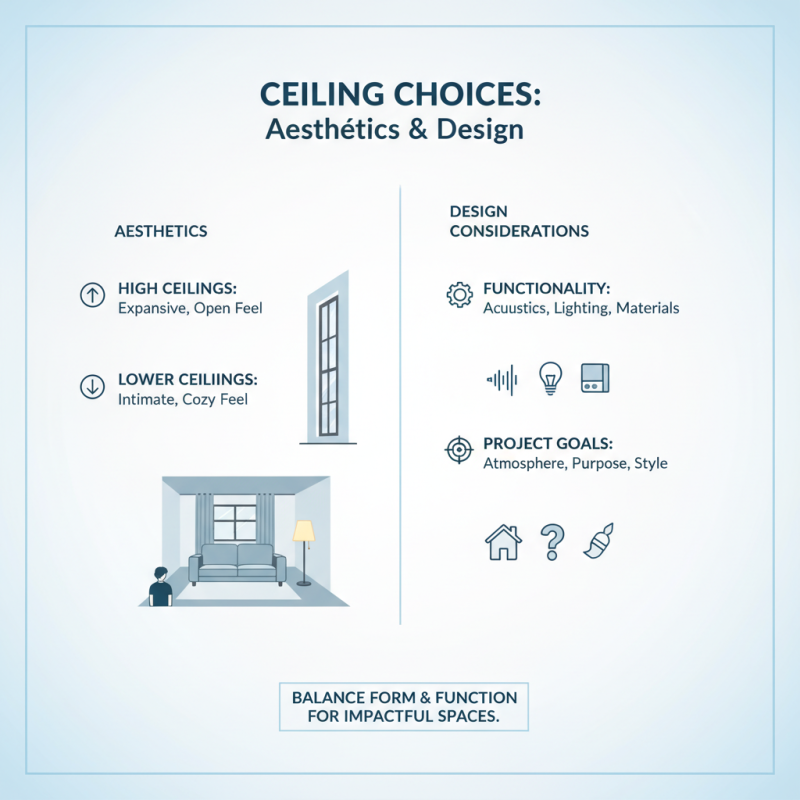
Selecting the right ceiling system involves balancing aesthetics and functionality. The design choices you make can significantly impact the atmosphere of a space. For instance, high ceilings can create an expansive feel, while lower ceilings can provide intimacy. Think about how each option aligns with your project's goals.
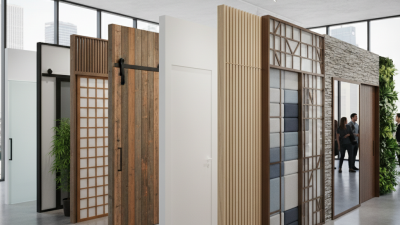
Materials also play a key role. Different materials offer varying textures and finishes. A wood ceiling might exude warmth, while metal can lend a modern edge. Consider the overall decor of the space when making these decisions. Mixing materials can enhance visual interest, but be cautious. Too many elements can lead to chaos.
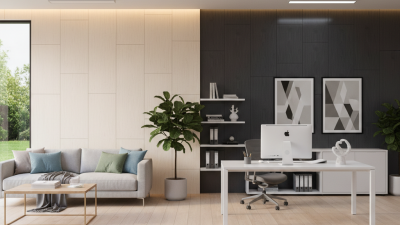
Tips: Choose a ceiling that complements natural light. Light colors can help a space appear larger. If you're unsure, use samples to visualize the impact. Always consider maintenance needs, as some materials require more care than others. Reflect on your choices and seek feedback. Design should evoke emotion, not just meet functional needs. Ensure every detail aligns with your vision.
Analyzing Cost and Maintenance Factors of Ceiling Systems
When selecting ceiling systems, cost and maintenance factors play a vital role. According to a recent report from the Building Industry Association, ceiling installation can account for approximately 10-15% of a project's total budget. Understanding these costs is essential for effective project management. The initial price might be appealing, but ongoing maintenance should not be overlooked. For example, some ceiling materials require more frequent repairs.
Maintenance expenses can double over time for certain types of ceilings. A study by the National Institute of Standards and Technology shows that mineral fiber ceilings may need annual inspections and potential replacements. In contrast, metal and gypsum options tend to last longer with minimal upkeep. Choosing a system that balances initial affordability with long-term durability is crucial. Each project's specifics—such as location and usage—will influence these considerations.
Surface finish also impacts upkeep. Textured and patterned ceilings often collect dust, requiring frequent cleaning. It's essential to weigh aesthetics against practicality. Investing in higher-quality materials can lead to fewer issues down the line. While lower upfront costs are tempting, reflecting on the overall lifecycle cost can help decision-makers create sustainable projects.
Exploring Installation Methods and Timeframes for Ceiling Options
Choosing the appropriate ceiling system is crucial for any construction or renovation project. Installation methods and timeframes greatly influence decisions. Traditional drywall ceilings usually take longer to install, often requiring several days. In contrast, suspended ceilings can be installed in a fraction of that time. According to industry reports, suspended ceilings can be set up in about 20% less time than drywall systems, making them an attractive option for tight schedules.
Tip: Consider the acoustic properties of your ceiling choice. If sound absorption is a priority, choose systems with tiles designed for noise reduction. These tiles can improve the comfort of a space significantly. The installation of acoustic tiles can typically be completed faster than drywall.
However, installation isn't just about speed. Some ceiling types may require special tools or professional skills, adding to their installation time and costs. It's important to weigh the initial effort against long-term maintenance requirements. Reports suggest that while suspended ceilings offer quick installation, they may demand more frequent upkeep compared to other options.
Tip: Always consult with experienced contractors to evaluate the best systems for your project’s specific needs. Their insights can help avoid common pitfalls during installation, saving time and resources.