Ultimate Guide to Suspended Ceiling Panels for Global Buyers?
Suspended ceiling panels play a crucial role in modern architecture and construction. According to a recent report by MarketsandMarkets, the global market for suspended ceiling systems is projected to reach $13 billion by 2026, reflecting a compound annual growth rate of 8.5%. This growth highlights the increased demand for aesthetic and functional ceiling solutions in both residential and commercial spaces.
These panels offer essential benefits, such as sound insulation and thermal efficiency. They also allow for easier installation of lighting and HVAC systems. However, buyers must be aware of variations in quality and design. Not all products meet industry standards, and some panels may not provide the expected durability. Choosing the right suspended ceiling panels requires careful consideration of material, design, and local climate conditions.
As global buyers navigate this evolving market, understanding the nuances of suspended ceiling panels becomes imperative. With numerous manufacturers and styles available, making informed decisions will ultimately lead to better outcomes in both aesthetics and functionality.
Understanding Suspended Ceiling Panels: An Overview
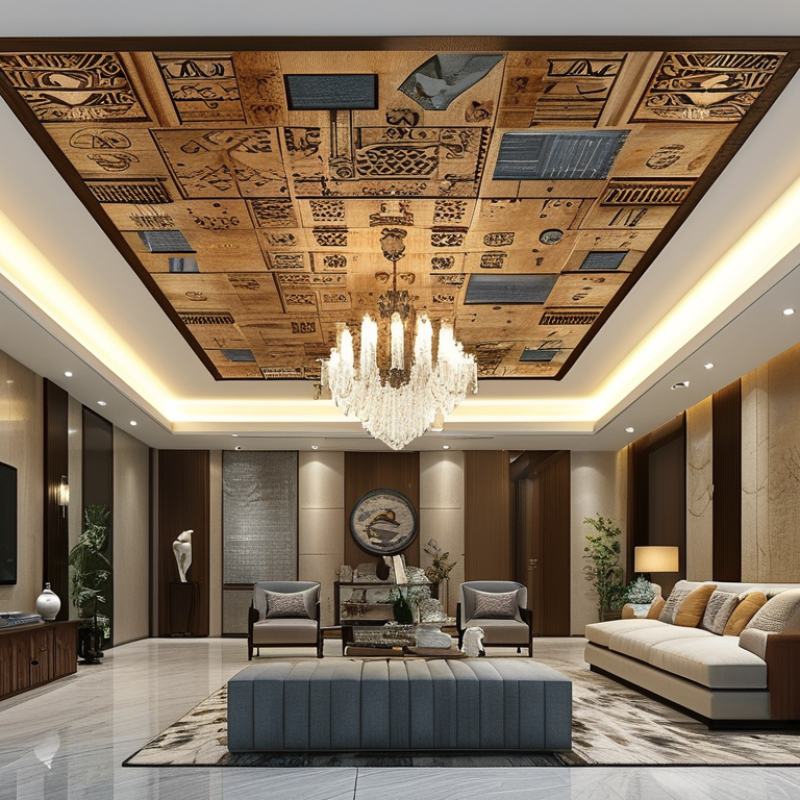
Suspended ceiling panels are an essential component in modern building design. They provide aesthetic appeal, sound insulation, and thermal efficiency. Understanding their structure and function is crucial for anyone considering their installation. These panels sit below the main ceiling, creating a hidden space for wiring and HVAC systems.
When selecting panels, consider the material. Options range from mineral fiber to metal and wood. Each material has unique properties, affecting acoustics and durability. Some panels are fire-rated, providing additional safety. Assess your environment to determine which features are necessary.
Tips: Choose panels that complement your interior design. White panels can brighten a room, while colored options add character. Also, think about maintenance. Some materials collect dust and require regular cleaning. Pay attention to the installation process, too. Improperly installed panels can lead to unwanted gaps or sagging. Reflecting on these details can enhance your project’s success.
Sales Comparison of Suspended Ceiling Panels by Type (2023)
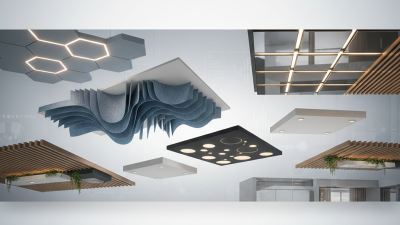
Types of Suspended Ceiling Panels and Their Applications
Suspended ceiling panels are essential in modern construction. They come in various types, each serving specific applications. Acoustic panels are designed to absorb sound. They are ideal for offices, schools, and auditoriums, where noise control is vital. According to a recent industry report, the global acoustic ceiling market is projected to reach $6.73 billion by 2026.
Mineral fiber panels are another common option. They offer a balance of cost and performance. These panels are moisture-resistant, making them suitable for bathrooms and kitchens. On the other hand, metal panels provide a sleek look and durability. They are often used in commercial spaces that require a modern aesthetic.
Consider the installation process when choosing panels. Some types may require professional help, adding to overall costs. Tips: always evaluate your space's acoustics and insulation needs before making a purchase. Moreover, be aware that some panels may not be as durable as advertised. Regular maintenance can extend their lifespan. It’s important to reflect on the long-term implications of your choices. Select panels that not only fit your immediate needs but also future requirements.
Key Factors to Consider When Purchasing Ceiling Panels
When considering suspended ceiling panels, several key factors deserve attention. The material of the panels is crucial. Options include mineral fiber, metal, and gypsum. Each material has unique properties that affect acoustics, durability, and cost. For instance, mineral fiber panels are great for noise reduction, while metal panels offer sleek aesthetics and durability.
Installation is another important aspect. Some panels are easier to install than others. Choosing panels that can be quickly and efficiently installed can save time and labor costs. Look for panels that fit standard grid systems. This choice simplifies the process and reduces potential errors during installation.
Aesthetic appeal should not be overlooked. The design and color of the panels can significantly influence the overall atmosphere of a space. Customization options are available, but they may come at a higher price. Potential buyers might find that balancing aesthetics and budget can be tricky. Always evaluate the trade-offs between design and practicality.
Installation Process for Suspended Ceiling Panels
Installing suspended ceiling panels can be a rewarding project, enhancing both aesthetics and acoustics in a space. The installation process starts with preparing the area. Ensure the ceiling structure is sound and clean. Remove any existing fixtures or obstructions that might interfere with the panels.
When hanging the grid system, measure carefully to maintain a level surface. A laser level can be helpful for achieving precision. You’ll need to cut sections of the main runners and cross tees to fit the room's dimensions. This is where attention to detail is crucial. Each grid piece must align perfectly for the panels to fit seamlessly.
Tips: Always wear safety gear during installation. Additionally, have someone assist you. Two hands are better for lifting and positioning the grid. If you encounter difficulties, don’t hesitate to reassess your measurements. Mistakes can happen, and correcting them promptly is vital for a professional finish. Remember, patience is key; rushing might lead to errors requiring rework.
Maintenance and Care Tips for Longevity of Ceiling Panels
Maintaining suspended ceiling panels is crucial for their longevity and appearance. Regular cleaning is essential. Dust and debris can accumulate, impacting aesthetics and air quality. Studies show that proper maintenance can extend the life of ceiling panels by 20%.
To keep your panels in top shape, consider these tips:
- Schedule Regular Inspections: Check panels every six months for stains or damage. Early detection can prevent larger repairs.
- Use the Right Cleaning Agents: Opt for mild, non-abrasive cleaners. Harsh chemicals can degrade materials.
- Address Moisture Issues Promptly: Damp environments encourage mold growth. Maintain humidity levels below 60% to avoid health risks.
Neglecting maintenance can lead to costly replacements. A damaged panel can affect the overall look of a room. It’s crucial to treat any issues as soon as they arise.
Lastly, educate building occupants about care. Simple actions, like avoiding direct impacts, can prevent wear and tear. Keeping lines of communication open will foster a proactive maintenance culture.