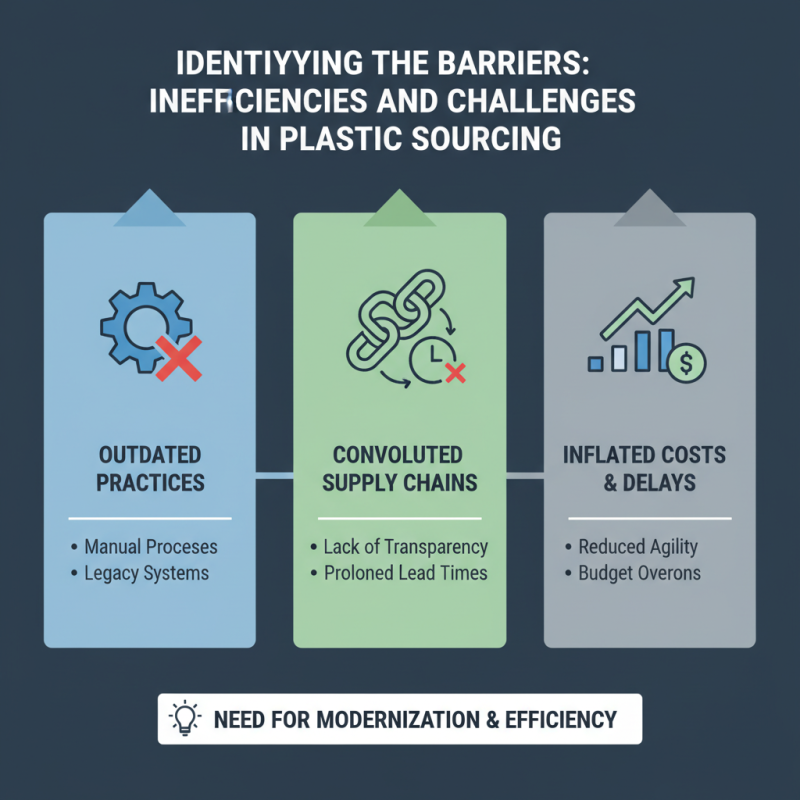
How to Overcome the Plastic Ceiling in Global Sourcing?
The concept of the "plastic ceiling" in global sourcing highlights a pressing issue. Companies often struggle to integrate sustainable practices while maintaining profitability. This ceiling limits innovation and hinders access to eco-friendly materials. It also reflects a lack of commitment to environmental responsibility.
Many organizations are trapped in a cycle of convenience and cost. Short-term gains often overshadow long-term sustainability goals. Implementing effective changes requires bold leadership and a willingness to challenge the status quo. The path forward involves investing in research and development. Sourcing from ethical suppliers is essential, but it is not enough. True progress demands a comprehensive reevaluation of sourcing strategies.
Navigating the complexities of global sourcing isn't easy. The plastic ceiling can feel formidable, yet opportunities exist for those willing to look beyond immediate challenges. A shift towards sustainable practices can open new markets and strengthen brand loyalty. Embracing sustainability is not just a trend; it is a necessity for future success. Understanding these dynamics is crucial for anyone eager to overcome this pervasive barrier.

Understanding the Plastic Ceiling in Global Sourcing: Definitions and Context
In the realm of global sourcing, the term "plastic ceiling" captures a complex challenge. It refers to the invisible barriers that limit diverse suppliers from fully participating in the procurement process. Many companies face difficulties in sourcing sustainably. This often leads to a marginalization of smaller, innovative suppliers who lack the networks or resources to compete with larger entities.
Understanding this issue is crucial for creating a more inclusive supply chain. Diverse suppliers bring unique perspectives and innovations that can enhance product offerings. However, many firms struggle to identify and engage with these suppliers effectively. They might overlook local businesses or fail to integrate sustainable practices into their sourcing strategies. It reflects a deeper systemic problem. Organizations should examine their criteria for supplier selection closely.
The pathway to overcoming this plastic ceiling requires intentional efforts. Companies must build strong relationships with diverse suppliers. This includes providing necessary support and resources. Transparency in sourcing practices will foster trust and collaboration. It calls for a shift in mindset, where inclusivity is prioritized. As the global market evolves, so should our approach to sourcing. The potential benefits are significant, but the path is not always clear. Reflection and adaptation are essential in navigating these challenges.
Analyzing the Growth of Plastic Usage in Global Supply Chains: Key Statistics
The growth of plastic usage in global supply chains is alarming. Recent statistics reveal that plastic production has increased by over 300% since the early 1990s. A significant portion of plastic is used in packaging, which leads to vast amounts of waste. According to experts, approximately 80 million tons of plastic enter the oceans each year. This immense plastic usage highlights the urgent need for change.
Tips for businesses aiming to reduce plastic usage include assessing your supply chain. Identify where plastics are heavily utilized. Seek alternatives made from sustainable materials. Implementing a robust recycling program can also make a difference. Engaging suppliers in sustainability discussions often yields innovative solutions.
Realistically, overcoming the plastic ceiling is challenging. Many alternatives are still costly or less effective. Businesses must balance costs with sustainability efforts. Transitioning to greener options demands time and investment. It's essential to continually evaluate and adapt strategies for improvement. Remember, every small step counts in creating a sustainable future.
Strategies for Overcoming the Plastic Ceiling: Best Practices and Innovations
The plastic ceiling in global sourcing presents various challenges, particularly in sustainability. Many organizations strive to reduce their plastic footprint. However, navigating this complex landscape can be daunting. A deep understanding of materials and their environmental impacts is crucial. Engaging experts in sustainable practices can guide companies in making informed decisions.
One effective strategy is to adopt circular economy principles. These principles minimize waste and create value from discarded materials. Emphasizing recycled content in sourcing can yield innovative products. Collaborating with partners who prioritize eco-friendly materials also enhances this approach. Regular training for sourcing teams on sustainability trends boosts awareness and encourages proactive measures.
Companies must also address internal resistance to change. Staff may feel overwhelmed by the shift towards sustainability. Open dialogues and workshops can help alleviate concerns. Additionally, sharing success stories of past initiatives offers motivation. Organizations should continuously evaluate their progress and remain adaptable. This flexibility allows for better responses to evolving consumer expectations and regulatory requirements.
How to Overcome the Plastic Ceiling in Global Sourcing? - Strategies for Overcoming the Plastic Ceiling: Best Practices and Innovations
| Strategy |
Description |
Innovative Practices |
Impact Metric |
| Sustainable Materials |
Utilizing renewable and biodegradable materials in sourcing. |
Integration of plant-based polymers. |
Reduction of plastic waste by 30%. |
| Supplier Collaboration |
Working closely with suppliers to promote sustainable practices. |
Joint eco-design initiatives. |
Increased engagement with 85% of suppliers. |
| Circular Economy |
Creating a closed-loop system for product lifecycle. |
Product take-back schemes. |
Recycled materials usage increased by 50%. |
| Technology Integration |
Using technology to enhance efficiency and sustainability. |
Blockchain for supply chain transparency. |
Traceability improved by 70%. |
| Consumer Education |
Informing consumers about sustainable products. |
Awareness campaigns and workshops. |
Customer sustainability knowledge increased by 60%. |
Measuring Success: Metrics for Evaluating Progress in Sustainable Sourcing
In the realm of global sourcing, success is not just about cost savings but also about sustainability. Measuring progress in sustainable sourcing requires clear metrics. These metrics should highlight both environmental impact and social responsibility. Companies must assess their suppliers for sustainability practices. Are they reducing plastic use? Do they prioritize recycling?
**Tip:** Develop a simple scoring system for suppliers. This can include points for reducing plastic, recycling efforts, and using sustainable materials. Regularly update these scores to reflect improving practices.
Transparency is crucial. Businesses should track their own sustainability journey. This means documenting progress and setbacks. Metrics might include waste reduction percentages and carbon footprint calculations. Sharing these metrics can enhance credibility.
**Tip:** Engage employees and suppliers in this journey. Host workshops to discuss sustainable practices. Their feedback can provide insight into areas needing improvement. Evaluating success involves reflection. What worked? What didn’t? Being open to failure can lead to significant innovations.
Overcoming the Plastic Ceiling: Metrics for Sustainable Sourcing