What Are Plastic Ceiling Panels and What Types Are Available?

Plastic ceiling panels are lightweight boards or tiles designed to cover ceilings in homes, shops, and utility spaces. They are often chosen for easy cleaning, moisture resistance, and straightforward installation. A wipe with a damp cloth may remove everyday dust. Yet performance depends on the panel’s material, thickness, and installation—not just its appearance.

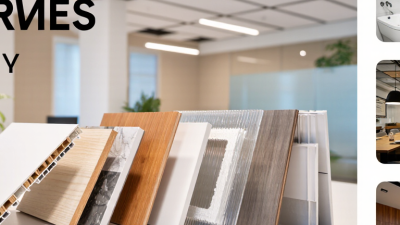
The category includes several distinct options. PVC panels are common and may have smooth, embossed, or wood-effect finishes. Polystyrene panels are typically lightweight, while polycarbonate panels can admit light in suitable applications. Some products combine plastics with other materials. Check the product specification carefully: “plastic” alone does not confirm fire performance, acoustic value, or suitability for a damp room.

The wider material context is worth noting. Plastics Europe’s Plastics – the Fast Facts 2024 report estimates global plastics production at 413.8 million tonnes in 2023. That figure covers plastics broadly; it is not a measure of ceiling-panel production. Still, it highlights why material choice and product information matter. A glossy panel may suit a bright bathroom, while a textured finish can hide minor surface marks. Small details count.

This guide explains what plastic ceiling panels are and compares the main types, finishes, and uses. It also considers practical trade-offs, including cleaning, installation, and durability. No single panel suits every room. Check the manufacturer’s instructions and local building requirements before choosing, especially where heat, moisture, or lighting fixtures are involved.
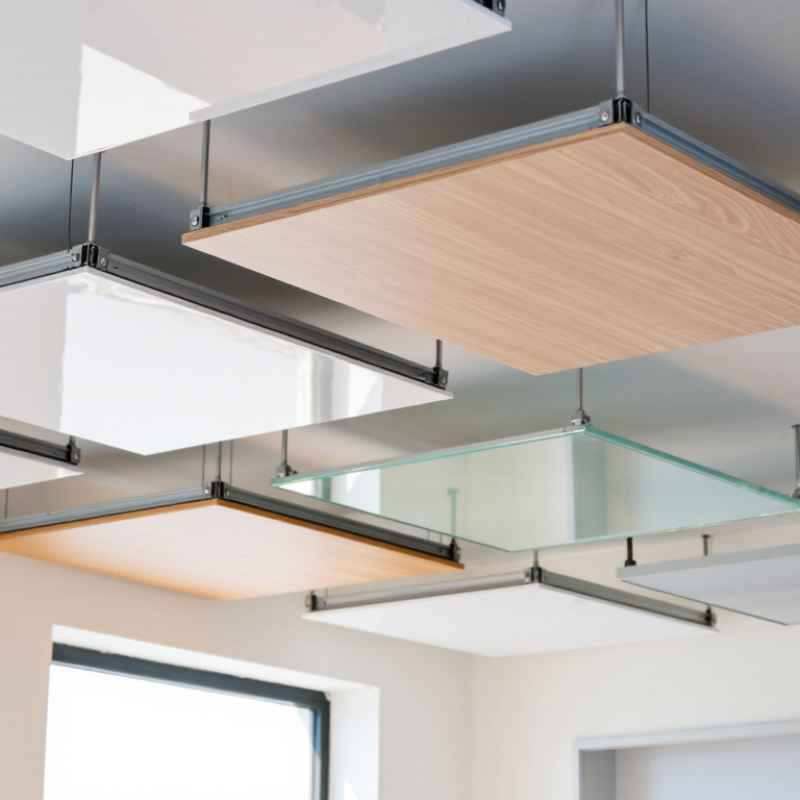
What Are Plastic Ceiling Panels and What Types Are Available?

What Plastic Ceiling Panels Are and How They Are Made

Plastic ceiling panels are lightweight interior boards made mainly from PVC, though some products use other polymers. They form a smooth, washable surface and may have a hollow, ribbed core or a solid profile. The visible face can imitate painted wood or carry a simple white finish. Look closely at an edge: the internal channels often reveal how the panel is built.

Many panels are made by extrusion. PVC resin is blended with heat stabilizers, pigments, and impact modifiers, then pushed through a shaped die. The warm profile is cooled, cut to length, and checked for dimensions and surface defects. Some panels receive a printed or laminated finish afterward. PlasticsEurope’s Plastics—The Fast Facts 2023 reports 400.3 million tonnes of global plastics production in 2022; this broad figure shows the scale of plastic manufacturing, not ceiling-panel output. Formulation and quality controls still vary. A low weight can simplify handling, but it does not guarantee stiffness or long service life.

Tips: Inspect a cut edge for even walls and clean channels. Ask for the panel’s material and installation guidance. Thin panels may flex more than expected. Don’t assume every plastic panel performs the same.

Common Materials Used in Plastic Ceiling Panels

Plastic ceiling panels are lightweight boards or tiles made from synthetic materials. They are used in kitchens, bathrooms, utility rooms, and other spaces where easy cleaning matters. PVC is a common choice. It resists moisture, wipes clean with a damp cloth, and comes in smooth or textured finishes. However, low-quality PVC may look shiny or feel less substantial, so inspect a sample in the room’s actual lighting.

Polystyrene panels are also popular. They are light and simple to cut, which can help with small projects, but they may dent more easily than rigid PVC. Acrylic panels can transmit light and create a bright, even ceiling when paired with suitable fixtures. Fiberglass-reinforced plastic is tougher and often selected for demanding, frequently cleaned spaces. Check the product’s temperature and fire-performance information before choosing; properties vary by panel and installation system.

Tips: Hold a sample overhead before buying. Look for consistent thickness, clean edges, and clear fitting instructions. Measure around pipes and vents, and leave the movement gaps specified by the manufacturer. A panel can hide minor surface flaws, but it will not fix leaks or a damp ceiling. Address those problems first.

Main Types of Plastic Ceiling Panels

Plastic ceiling panels are lightweight sheets or tiles made mainly from PVC or other polymers. Common types include solid PVC panels, hollow-core panels, mineral-filled PVC panels, and translucent polycarbonate sheets. Solid panels feel firm and wipe clean easily. Hollow-core boards weigh less, but their edges can crush during cutting. Mineral-filled panels feel denser, though their exact composition varies by product.

Recycled-content panels are another option, but check the stated recycled percentage and technical documentation. The OECD’s Global Plastics Outlook 2022 reports that global plastic production reached 460 million tonnes in 2019, while only 9% of plastic waste was recycled. These figures describe plastics broadly, not ceiling panels specifically. For any panel type, compare moisture resistance, cleaning needs, and documented fire performance. A glossy sample may look appealing, yet reveal scratches under strong lighting.

Tips: Check panel thickness and edge details before ordering. Ask for test documentation, especially for fire performance. Measure the ceiling carefully; offcuts and uneven framing can complicate installation. I would not choose by appearance alone.

What Are Plastic Ceiling Panels and What Types Are Available?

Plastic ceiling panels are lightweight panels made from polymers and used to cover ceilings. Common types include PVC, acrylic (PMMA), and polycarbonate panels.

This chart compares approximate base-resin densities, not the weight of finished ceiling panels. Actual panel weight varies with thickness, additives, and construction.

Key Features and Limitations of Each Panel Type

Plastic ceiling panels are lightweight boards fitted beneath a ceiling frame. They are often made from PVC and suit bathrooms, kitchens, and utility rooms where moisture is a concern. Some panels have smooth, glossy faces; others imitate wood grain or use a matte finish. The surface affects both appearance and cleaning.

Hollow PVC panels are easy to cut and handle, but they can dent under pressure and may look less substantial up close. Solid or thicker panels feel sturdier and can hide minor ceiling unevenness, though they usually cost more and take longer to install. Textured panels can disguise small marks. Dust may collect in their grooves, so cleaning takes extra care. No type fixes a damp or damaged ceiling beneath it.

Tips: Check the panel’s stated use and installation instructions before buying. Measure the ceiling, then allow for cuts around lights and vents. Leave the recommended expansion gap at edges; PVC can move with temperature changes. A sample viewed under your room’s lighting helps, although one small sample cannot show every shade variation. Keep spare panels if possible. Repairs are easier that way.

What Are Plastic Ceiling Panels and What Types Are Available? — Key Features and Limitations of Each Panel Type

Plastic ceiling panels are ceiling coverings made from polymers such as PVC or polycarbonate. They are generally lightweight and easy to clean; performance, appearance, and installation requirements vary by panel construction and product specification.

Panel type Typical construction and format Key features Limitations Common applications
Hollow-core PVC panels Extruded panels with internal hollow channels, often joined with tongue-and-groove or overlapping edges. Widths and lengths vary by product. Lightweight; resists moisture and does not absorb water like untreated wood; smooth surfaces are usually easy to wipe clean. The hollow structure can make panels simple to handle. Can dent, crack, or deform under impact or excessive heat. Hollow sections may be less rigid than solid panels, and joints may show if installation is uneven. Not all products are rated for every fire or building-code requirement. Bathrooms, utility rooms, kitchens, and other interiors where wipe-clean surfaces are useful, subject to ventilation and product suitability.
Solid PVC panels or sheets Dense, non-hollow PVC panels or sheets; supplied in different thicknesses, sizes, finishes, and edge profiles. A continuous surface can be easier to clean than grooved designs. Solid construction may offer greater local rigidity than a comparable hollow panel, depending on thickness and support. Usually heavier and may cost more than thin hollow panels. Large sheets can require careful handling and adequate framing; thermal expansion and product-specific fixing instructions must be considered. Interior ceilings needing a smooth, cleanable finish, including some commercial or service areas when the product is approved for the intended use.
Decorative or laminated PVC panels PVC panels with a printed, coated, or laminated visible surface; commonly made with a hollow or otherwise lightweight core. Offers varied colors, patterns, and wood- or stone-inspired appearances without using those materials as the visible surface. The finish can conceal minor surface variation. The decorative layer can scratch, fade, or peel if damaged or exposed to unsuitable cleaning agents. Pattern alignment and visible seams may affect the finished appearance. Residential and light commercial interiors where a patterned finish is desired and the panel’s fire, heat, and moisture ratings meet project requirements.
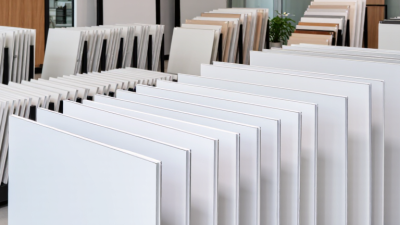
Plastic ceiling tiles Molded or cut polymer tiles, including PVC tiles; may be glued to a suitable prepared ceiling or installed in a compatible grid system. Modular format can simplify replacing an individual tile. Available in plain or textured designs, and some products are designed for use in suspended ceilings. Adhesive installation depends on a sound, clean, compatible substrate. Tiles can show seams, and not every tile is suitable for damp locations, ceiling grids, or fire-regulated spaces. Renovations, decorative ceiling updates, and suspended-ceiling systems where tile dimensions and system compatibility have been verified.
Translucent polycarbonate panels Flat or multiwall polycarbonate sheets designed to transmit light; available in different thicknesses, tints, and structures. Allows diffuse daylight or artificial light to pass through. Multiwall construction can provide more stiffness than a thin flat sheet, depending on the system. Can scratch and may discolor with prolonged UV exposure unless appropriately protected. Light transmission can reduce privacy, and edge details, support spacing, and thermal movement need proper design. Light wells, covered areas, canopies, and selected interior ceilings where transmitted light is wanted and the panel is approved for the exposure and use.

Selection note: Check the manufacturer’s technical data for dimensions, support spacing, temperature range, cleaning instructions, fire classification, and suitability for the installation location. “Water-resistant” does not necessarily mean waterproof or suitable for continuous exposure to water.

Where Plastic Ceiling Panels Are Commonly Used

Plastic ceiling panels are often chosen for rooms where steam, splashes, or frequent cleaning are part of daily life. Bathrooms are a common setting. Smooth PVC panels can be wiped down after condensation forms, while interlocking panels create a continuous surface with fewer obvious gaps. Kitchens and laundry rooms also benefit from easy-to-clean finishes. Still, moisture resistance does not fix poor ventilation or a leak above the ceiling. That distinction matters.

Basements, garages, workshops, and utility rooms are other practical locations. Panels can cover an uneven ceiling or conceal pipes and wiring, though access points should remain reachable for repairs. Small businesses may use them in storage areas, washrooms, or staff spaces where a simple, washable finish is useful.

Available styles include narrow tongue-and-groove boards, larger sheet panels, and textured designs. Each suits different ceiling layouts. Looks tidy.

But panel suitability depends on heat exposure, support spacing, and the condition of the existing ceiling. One easy oversight is installing panels over damp material; the surface may look finished while the underlying problem remains.

^