


10 Tips for Choosing the Best Ceiling Panels
Choosing ceiling panels is not merely a finish decision. Panels influence how a room handles light, sound, moisture, and everyday wear. A bright kitchen, a humid bathroom, and a quiet home office each place different demands on the ceiling. The right choice starts with the room, not a product photo.
Architect Louis Kahn’s observation, “A room is not a room without natural light,” offers a useful design lens. Ceiling panels can soften or reflect daylight, depending on their color, texture, and finish. They also need to suit the ceiling height, existing structure, and maintenance routine. A sample held against the actual room’s lighting can reveal details a showroom may hide. Small test. Big difference.
This guide presents 10 practical tips for comparing ceiling panels, from materials and acoustic performance to installation and long-term value. It will help you weigh visible details alongside less obvious factors, such as cleaning access and resistance to moisture. Some advice may not fit every room; that is worth questioning, not ignoring. A low-cost panel can become an expensive choice if it needs early replacement. Use the tips as a careful starting point, then confirm product specifications and installation requirements with the manufacturer or a qualified installer.
Define the Room’s Needs and Ceiling Panel Requirements
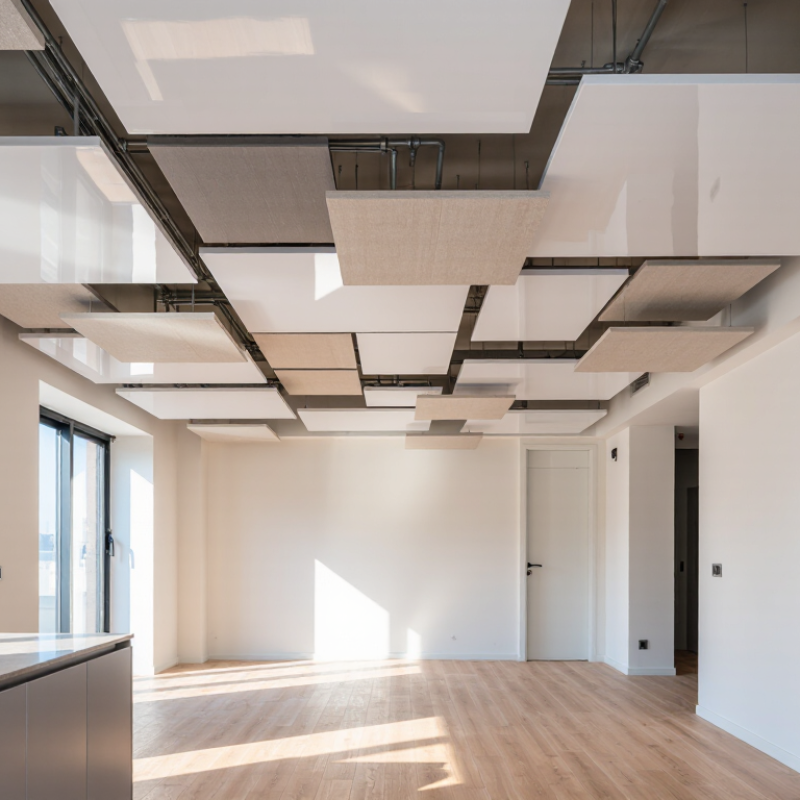
A ceiling panel should solve the room’s actual problems, not just look good in a sample photo. Note how the space is used, how much moisture it gets, and whether noise travels through it. A bathroom needs panels suited to humid conditions; a home office may benefit more from sound absorption. Measure the ceiling area, then mark vents, lights, and access points. Measure twice.
Think about daily maintenance, too. In a busy kitchen, grease and frequent wiping can affect which surface is practical. In a basement, occasional dampness may make material choice and ventilation especially important. Check the panel maker’s installation guidance and weight requirements, particularly if the existing ceiling is old or uneven. A beautiful finish is less useful if fitting it requires major repairs you did not plan for.
Set priorities before comparing colors or textures. List your must-haves, such as moisture resistance, acoustic control, or easy access to wiring. Then separate them from preferences like a particular pattern. Ceiling height matters as well: a suspended system can reduce clearance, which may feel noticeable in a small room. There is rarely a perfect option. I would still revisit the list after seeing full-size samples, because small swatches can hide a finish’s real visual impact.
10 Tips for Choosing the Best Ceiling Panels - Define the Room’s Needs and Ceiling Panel Requirements
| Room or Use | Main Requirement | Panel Option to Consider | Key Checks Before Choosing | Practical Tip |
|---|---|---|---|---|
| Home office or study | Reduce distracting room echo | Acoustic mineral-fiber or other sound-absorbing panels | Sound-absorption data, panel thickness, and compatible ceiling grid | Compare tested acoustic ratings; absorption and sound blocking are different properties. |
| Kitchen | Handle humidity, cooking residue, and routine cleaning | Washable, moisture-resistant panels suitable for the installation area | Cleaning instructions, moisture limits, heat exposure, and fire requirements | Use an appropriate extractor fan; no ceiling panel replaces ventilation. |
| Bathroom or laundry room | Resist damp conditions and occasional splashes | Panels specifically rated for the expected moisture exposure | Manufacturer’s moisture-use limits, corrosion resistance of grid parts, and ventilation | “Moisture-resistant” does not necessarily mean waterproof or suitable for direct water contact. |
| Living room or bedroom | Achieve the desired appearance with straightforward upkeep | Painted gypsum, decorative mineral-fiber, or other finish panels | Surface finish, weight, ceiling height, and repair or repainting needs | Review a sample under the room’s actual lighting before ordering. |
| Meeting room or classroom | Improve speech clarity and limit reverberation | Acoustic ceiling panels selected for the room’s sound-control goals | Tested absorption performance, room size, occupancy, and any sound-isolation needs | For sound between rooms, assess the full ceiling assembly, not just the panel face. |
| Retail or hospitality space | Balance appearance, durability, and access to services | Lay-in panels in a suspended grid, or another service-accessible system | Panel edge detail, grid compatibility, lighting layout, and maintenance access | Coordinate panel dimensions with lights, diffusers, sprinklers, and access hatches. |
| Workshop or utility room | Withstand the room’s dust, impact, or cleaning conditions | Durable panels with documented suitability for the specific environment | Impact resistance, cleanability, exposure limits, and support-system strength | Confirm that the panel and grid can tolerate expected equipment vibration or handling. |
| Commercial or public building | Meet applicable fire and building-code requirements | A panel and ceiling assembly documented for the project’s code requirements | Required test reports, assembly details, installation method, and local regulations | Check the complete assembly; a panel rating alone may not establish compliance. |
| Room with frequent maintenance access | Allow convenient access to wiring, pipes, or equipment above the ceiling | Removable lay-in panels or a designed access-panel system | Clearance above the ceiling, panel removal method, and access-panel placement | Map service points before finalizing the grid layout. |
| Low-ceiling room | Preserve headroom and avoid a visually heavy finish | A low-profile system or directly fixed panels, where the substrate allows | Installed depth, service clearances, panel weight, and substrate condition | Measure the finished ceiling height, including framing and any required clearance. |
Requirements vary by building, location, and installation. Verify product documentation, applicable codes, and compatibility with the ceiling system before purchase.
Related Posts
-

How to Choose the Best Ceiling Panels for Your Project
-
Top 10 Ceiling Panels for Commercial Buildings?
-
How to Choose a Suspended Ceiling System from China?
-
Why Choose Suspended Ceiling Panels?
-
Best Plastic Ceiling Panels for Global Buyers in 2026?
-

2026 Best Ceiling Systems for Global Buyers to Consider?